Hey everyone living the Spain life! I’ve seen a lot of newcomers on the forums asking about language requirements for university applications, especially with all the different Spanish exams out there. It seems to be causing a lot of confusion. Having just gone through this whole process and navigated a few pitfalls, I thought I’d share my experience as a fellow student to help those who are next in line.
Mainstream Official Language Exams: DELE and SIELE
The two official exams we hear about most often are the DELE and the SIELE. A simple way to think about them is that DELE is the ‘old guard’—it’s been around forever and is highly prestigious. SIELE is the ‘newcomer’—more flexible and increasingly widely accepted. Both are administered and promoted by the Instituto Cervantes.
The DELE certificate is valid for life, like a permanent proof of your language proficiency. However, it’s a traditional paper-based exam offered only a few times a year, so you have to register early, and getting your results takes a while. On the other hand, SIELE is entirely computer-based, offering very flexible test dates and locations, and you get your results incredibly fast. It’s valid for 5 years, which is highly efficient for students who just need it for their application materials, regardless of the Spanish university exam rankings. Which one to choose depends on your personal needs and schedule.
Core Differences Between the Two Exams
To give you a clearer picture, here’s a simple comparison table:
| Feature | DELE | SIELE |
|---|
| Certificate Validity | Lifelong | 5 years |
| Exam Format | In-person, paper-based | Online, computer-based |
| Registration & Testing | Fixed dates worldwide, requires advance registration | Flexible, book at a test center anytime |
| Result Speed | Slower | Very fast |
| Recognition | Highest global recognition, the classic standard | Widely recognized by Spanish and Latin American universities |
Don’t Forget About University-Specific Language Tests!
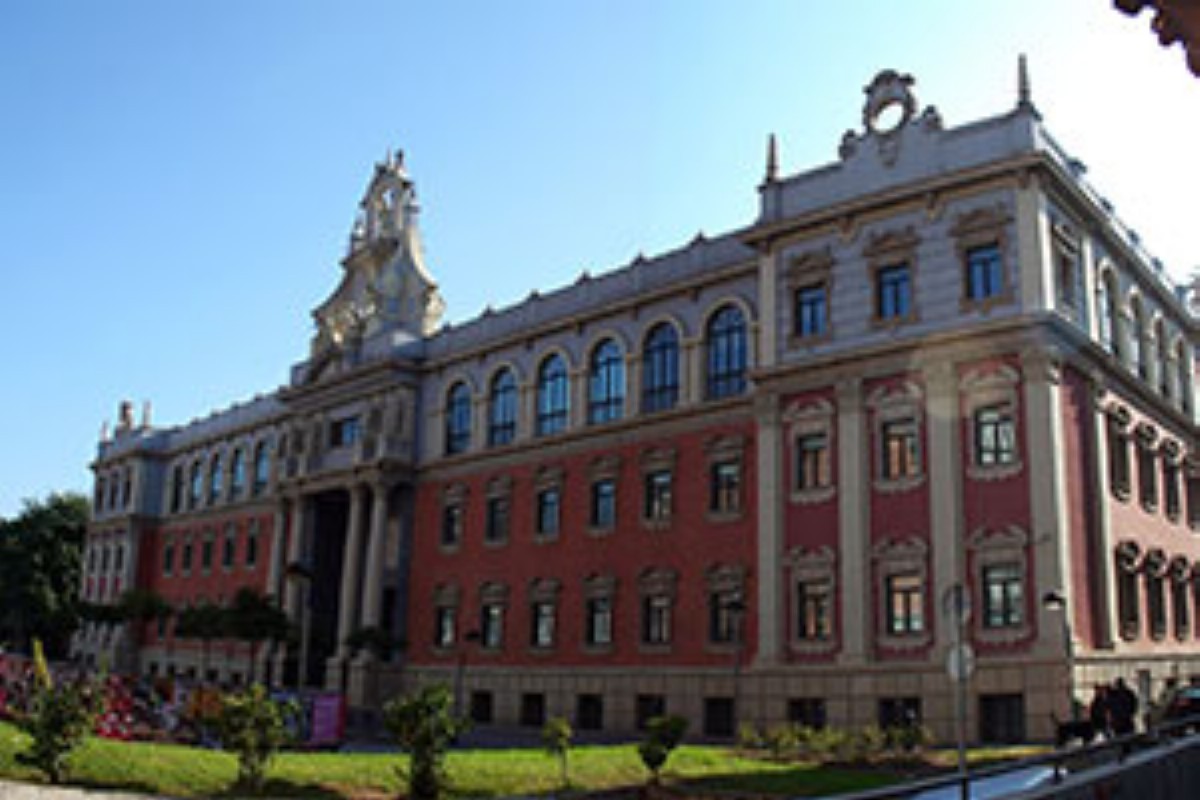
Besides the two ‘international certifications’ mentioned above, and not to be confused with English exams in Spanish universities, many Spanish universities, like the Complutense University of Madrid or the University of Salamanca, have their own language centers. These centers often offer their own Spanish proficiency tests. A certificate from one of these tests can typically be used to apply for undergraduate or master’s programs at all Spanish universities that specific university. The advantage is that these tests are tailored, possibly a bit easier than the DELE, and sometimes come as a cost-effective package with a language course. The downside is that their recognition is generally limited to the institution itself. If you want to use this certificate to apply to other schools, it most likely won’t be accepted, and you’ll have to consider the Spanish university oral exam dates for official tests.
So, which one should you choose? My key advice is: always follow the official requirements of your target university
! Make sure to personally check the Admisión (Admissions)
section on the university’s official website, or email the admissions office directly. Find out if they only accept DELE, if SIELE is also an option, or if their internal test will suffice. Don’t just assume—I almost made a huge mistake because of this! I hope everyone’s application process goes smoothly. If you have any questions, feel free to leave a comment below. Let’s do this!
