Hey everyone! I just arrived in Barcelona and noticed many people on the forums asking about studying abroad and schools here. So, I thought I’d share my perspective on the University of Barcelona. This isn’t an official promotion, just my personal observations and feelings. I hope it can be a helpful reference for those of you considering applying or about to enroll.
UB is most famous for its historic campus in the city center. Every time I pass by, I can’t help but be amazed—it has such a great vibe! The Gothic architecture, with its beautiful and serene inner courtyards, is filled with an academic atmosphere. It’s located right next to Plaça de la Universitat, making transportation incredibly convenient. Hopping into the city center for shopping or a meal after class is just a matter of minutes. Unlike some universities located in suburban ‘university towns,’ life at UB is truly integrated with the city.
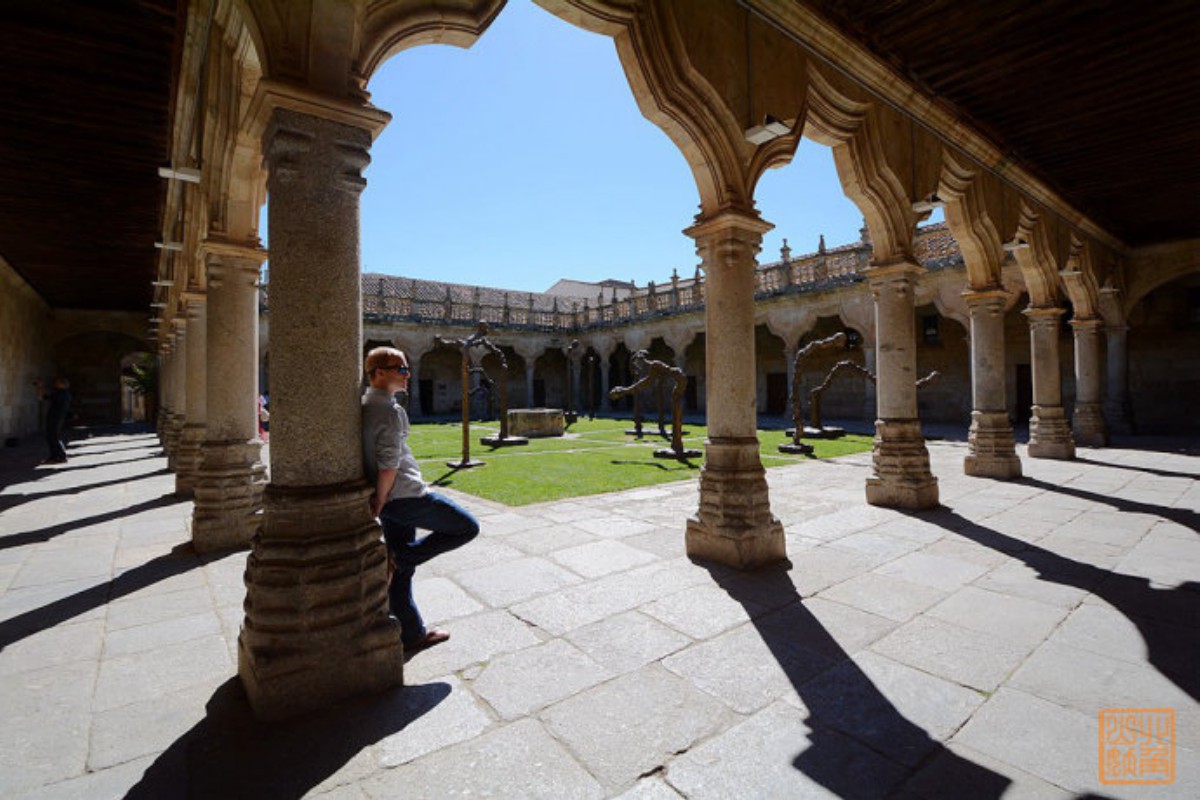
Of course, UB has more than just this one campus. Depending on your field of study, you might be at different locations across the city. For instance, the Diagonal Campus is mainly for science, engineering, and economics, while the Bellvitge Campus is for health sciences. So, when choosing your major, be sure to check the campus location via the University of Barcelona’s website and consider the strengths of the University of Barcelona.
Top Programs and Academic Standards
When it comes to academics, UB is undoubtedly one of Spain’s top institutions and a true world top-100 university. Its history dates back to 1450, giving it a very rich heritage. It excels in many fields, especially in life sciences like Medicine, Pharmacy, Biology, and Chemistry, which are among the best in Spain and even Europe. In the humanities, its Art History, Philosophy, and Linguistics programs are also very strong. However, since it’s a public university, some facilities at the University of Barcelona might look a bit dated, but the quality of teaching is absolutely guaranteed.
Application Tips
For applying to UB, whether for an undergraduate or a master’s degree, preparing your documents is key. Here’s a simple table for your reference, but be sure to check the official website for the latest admission requirements!
| Item | Key Points |
|---|
| Degree/Diploma Certificate | Requires notarization, legalization (e.g., Apostille), and a sworn Spanish translation. |
| Academic Transcript | Also requires notarization, legalization, and sworn translation. |
| Language Proficiency Certificate | For Spanish-taught programs, a DELE B2, SIELE B2, or equivalent is usually required. |
| CV/Résumé | Highlight experiences relevant to your chosen program. |
| Motivation Letter | This is crucial |
| ![/color] Make sure to clearly explain why you chose this specific program and this university. |
As a student in Barcelona, the cost of living can vary widely depending on your lifestyle. Accommodation is the biggest expense, with a room in a shared apartment typically costing around €400-€600 per month. You can save a lot on food if you cook for yourself; €200-€300 a month should be enough. For transportation, getting a T-Jove (youth card)
is a great deal, offering unlimited travel for 90 days. Overall, a common monthly budget is around €800-€1200. Of course, Barcelona has so many fun things to do and great food to eat, so that part of your budget is up to you!
The University of Barcelona is an excellent institution that combines a rich historical heritage with modern academic vitality. Studying in a city so full of art and sunshine is a truly fantastic experience. I hope my sharing has been helpful! If you have any questions, feel free to leave a comment below. I’ll do my best to answer!
