Recently, a lot of people on the forums have been asking what it’s really like to study art in Spain. When you think of Spanish art, the first names that might come to mind for art programs at Spanish universities are legendary masters like Picasso, Dalí, and Gaudí. While it’s true this land has nurtured countless artistic giants, its appeal as a study abroad destination, especially for fields like game art design at Spanish universities, goes far beyond that. Today, let’s chat a bit, and I’ll share my views on art education in Spanish universities and some solid tips.
The biggest takeaway from studying art in Spain is the sense of immersion. Art isn’t just confined to galleries and museums; it permeates every corner of the cities. From the fantastical architecture of Barcelona to the passionate flamenco of Andalusia and the ubiquitous street art in Madrid, the entire country is a massive source of inspiration. This environment is a paradise for art students, constantly fueling your creative passion and sharpening your observational skills.
Top Art Schools and Program Areas
Spain’s public universities have very strong art education programs, and the tuition fees are much more affordable compared to the UK or the US. There are plenty of options, including fine arts, design, architecture, art history, and audiovisual communication. Here are a few representative universities for your reference:
| University | Strong Programs | City | Notes |
|---|
| Complutense University of Madrid | Fine Arts, Art History, Design | Madrid | A prestigious institution for fine arts education in Spain, with a rich heritage. |
| Polytechnic University of Valencia | Audiovisual Communication, Industrial Design, New Media Art | Valencia | A model of combining design with technology, a top choice for tech-oriented students. |
| University of Barcelona | Art Creation & Design, Conservation & Restoration | Barcelona | Highly comprehensive, located in the city of Gaudí with a vibrant artistic atmosphere. |
What to Pay Attention to When Applying?
For us international students, language skills and the portfolio are the two core components when applying for art programs. Regarding language, most undergraduate programs at public universities are taught in Spanish, requiring a B2 level of proficiency. But most importantly, the portfolio is the absolute key
! It directly determines whether you get accepted. Your portfolio needs to showcase your personal style, creativity, and fundamental skills. Don’t cram at the last minute; you have to prepare it seriously instead of just daydreaming about tapas. It’s your ticket to starting your artistic journey.
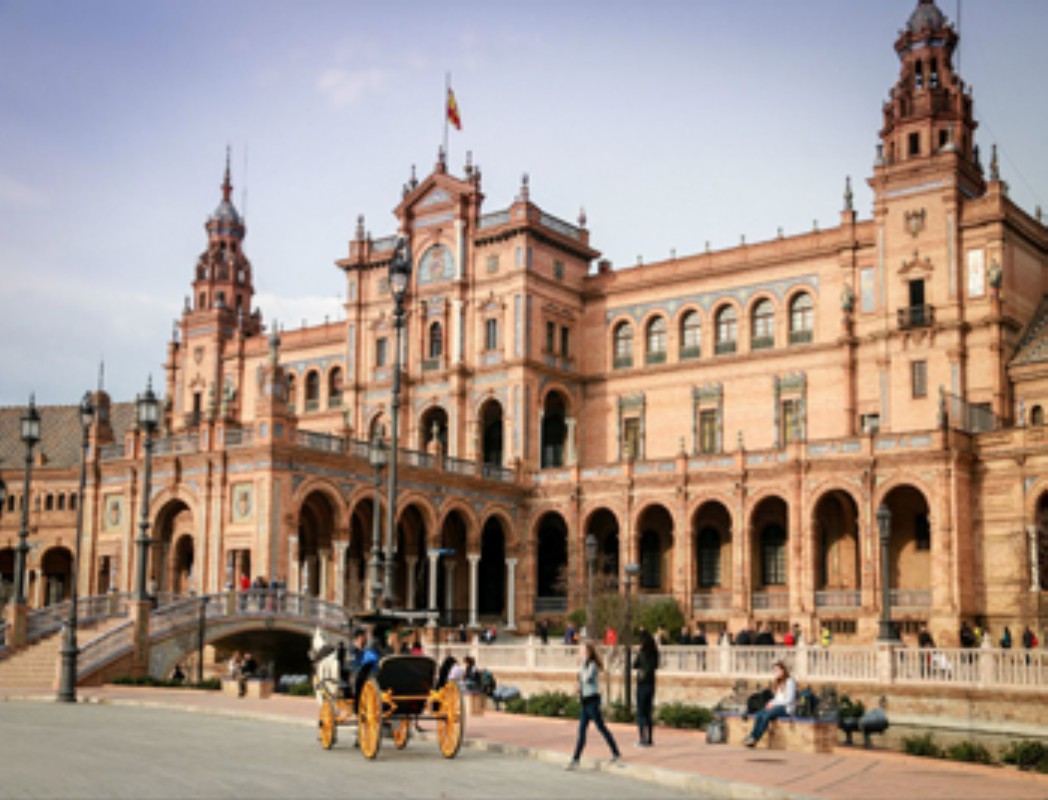
Here’s a photo I took at the Reina Sofía Museum in Madrid to give you a feel for Spain’s rich artistic atmosphere. The quality of art here is incredible, which speaks to the country’s artistic legacy—a key factor to consider when looking at Spanish art university rankings
. The museum houses Picasso’s masterpiece, Guernica, and seeing it is a breathtaking experience every time.
Spain is a highly cost-effective study abroad option with an unparalleled artistic atmosphere. Of course, each university has its own application details and style. Do any of you have experience studying art in Spain? Or is there a particular school you’re interested in? Feel free to leave a comment below to discuss and share your thoughts!
