Recently, many people on the forums have been asking about studying medicine in Spain, especially dentistry, which has been a hot topic. As it happens, a good friend of mine is studying dentistry at Universidad Europea de Madrid. I had a long chat with them and have put together some key information to share with everyone, hoping it will help those who are in the process of choosing a university.
First, it’s important to understand that Universidad Europea is one of Spain’s top private universities, so its dentistry program is quite different from those at public universities. Its biggest feature is a strong emphasis on practical experience. Students begin working with clinical models from a very early stage, and senior students treat real patients directly in the university’s own dental clinic. This is a huge draw, unlike some public universities where you might not get to see patients until much later in your studies.
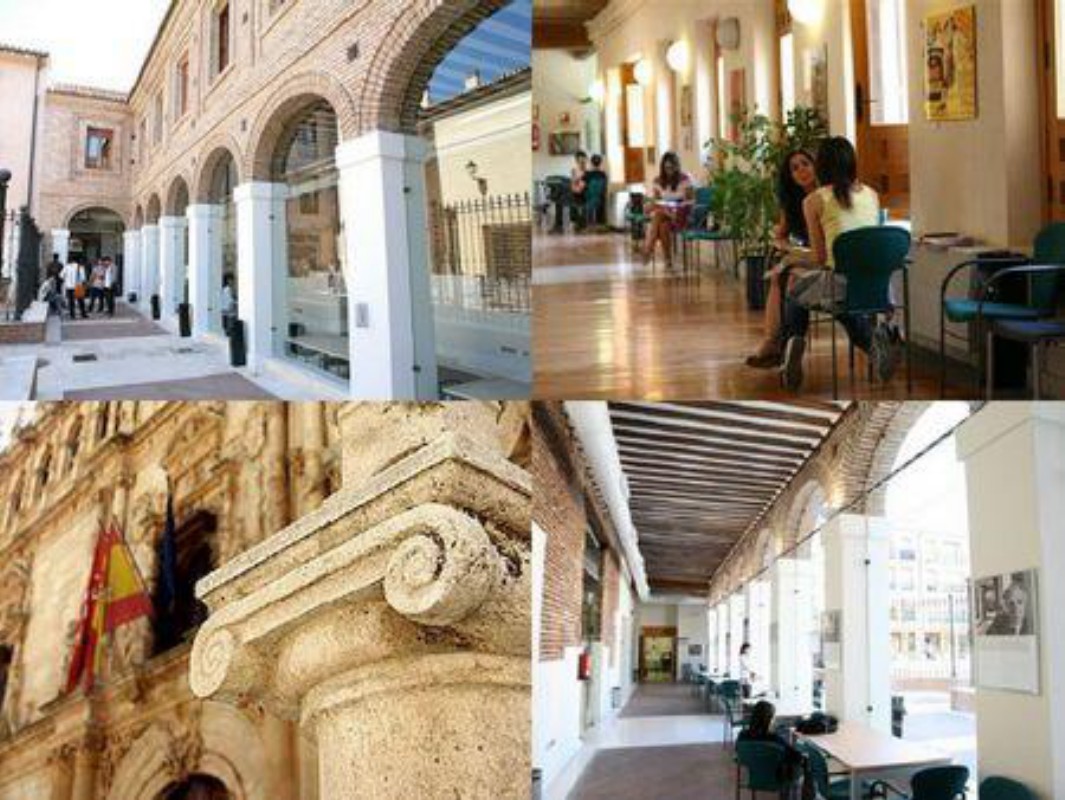
Analysis of the Pros and Cons of UEM’s Dentistry Program
To give you a clearer picture, I’ve put together a simple table summarizing the main pros and cons my friend mentioned:
| Pros | Cons |
|---|
| Advanced facilities and excellent resources | Expensive tuition, significant financial pressure |
| Abundant clinical practice opportunities | Intense curriculum, high academic stress |
| Highly international environment with classmates from all over the world | Main campus is a bit far from Madrid’s city center |
| Small class sizes with frequent student-teacher interaction | As a private university, you may need to research recognition in your home country; for instance, check out info on Universidad Europea del Atlántico. |
My friend specifically emphasized that their clinic is open to the public, so they are exposed to a wide variety of cases every day, which provides invaluable experience that even other hidden gem universities in Spain might not offer. However, they also mentioned that the academic pressure is truly intense. There are hardly any winter or summer breaks, with most of the time spent in the clinic and labs. The tuition is over 20,000 euros per year, which is certainly not a small amount. It is hardly a casual choice for an average-income family, so before applying to a university in Spain, it’s crucial to discuss the budget with your family.
For students with a sufficient family budget, strong hands-on skills, and a desire to get into clinical practice early, the dentistry program at Universidad Europea is an excellent choice. Its training model is geared towards producing ‘elite dentists’ who are highly competitive in the job market upon graduation. However, if you prioritize the cost-effectiveness and a more relaxed academic environment of a public university, you might want to compare more options. I hope this information is helpful, and I welcome current students and alumni to add their own insights or make corrections!
