When I first came to study in Spain, besides adjusting to a new language and new food, the first big shock was the university timetable! It was completely different from the packed schedules I was used to back home, which were often crammed with classes from 8 AM to 4 PM with a quick lunch break in between. The Spanish university schedule, by contrast, seems almost spontaneous and unstructured.
My very first schedule, for instance, had a class from 9 AM to 11 AM, and the next one wasn’t until 5 PM to 7 PM. During that long six-hour gap, going home for a nap felt like too much trouble, but staying at the university left me with nothing to do. I later found out from local classmates that this is perfectly normal. They use this time to go to the library, hit the gym, grab a coffee, or even go home for lunch and a proper long siesta. I have to say, it’s very Spanish!
Understanding Course Types
Courses at Spanish universities are typically divided into several types, which you need to pay close attention to when choosing and attending classes. Understanding their differences is crucial for planning your studies and earning credits. I’ve put together a simple table to help you understand:
| Course Type | Main Content & Format |
|---|
| Theoretical Classes | Usually large lectures with hundreds of students, where the professor presents theoretical knowledge with a PowerPoint, much like the general lectures you might be used to. |
| Practical Classes | Divided into small groups, these sessions are led by a TA or professor for case analysis, group discussions, or lab experiments, making them highly interactive. You’ll need to manage your time for these projects, which can even run into periods outlined in the Spanish university holiday schedule. |
| Seminars | Similar to workshops, these classes focus on a specific topic. They usually revolve around a particular issue, requiring students to prepare in advance and actively participate in discussions. |
Once you understand these distinctions, you’ll realize that even though the timetable looks sparse, the actual time you need to spend studying each week is significant. Practical classes and seminars, in particular, really test your preparation and speaking skills. Want to slack off? It’s nearly impossible, or at least very difficult.
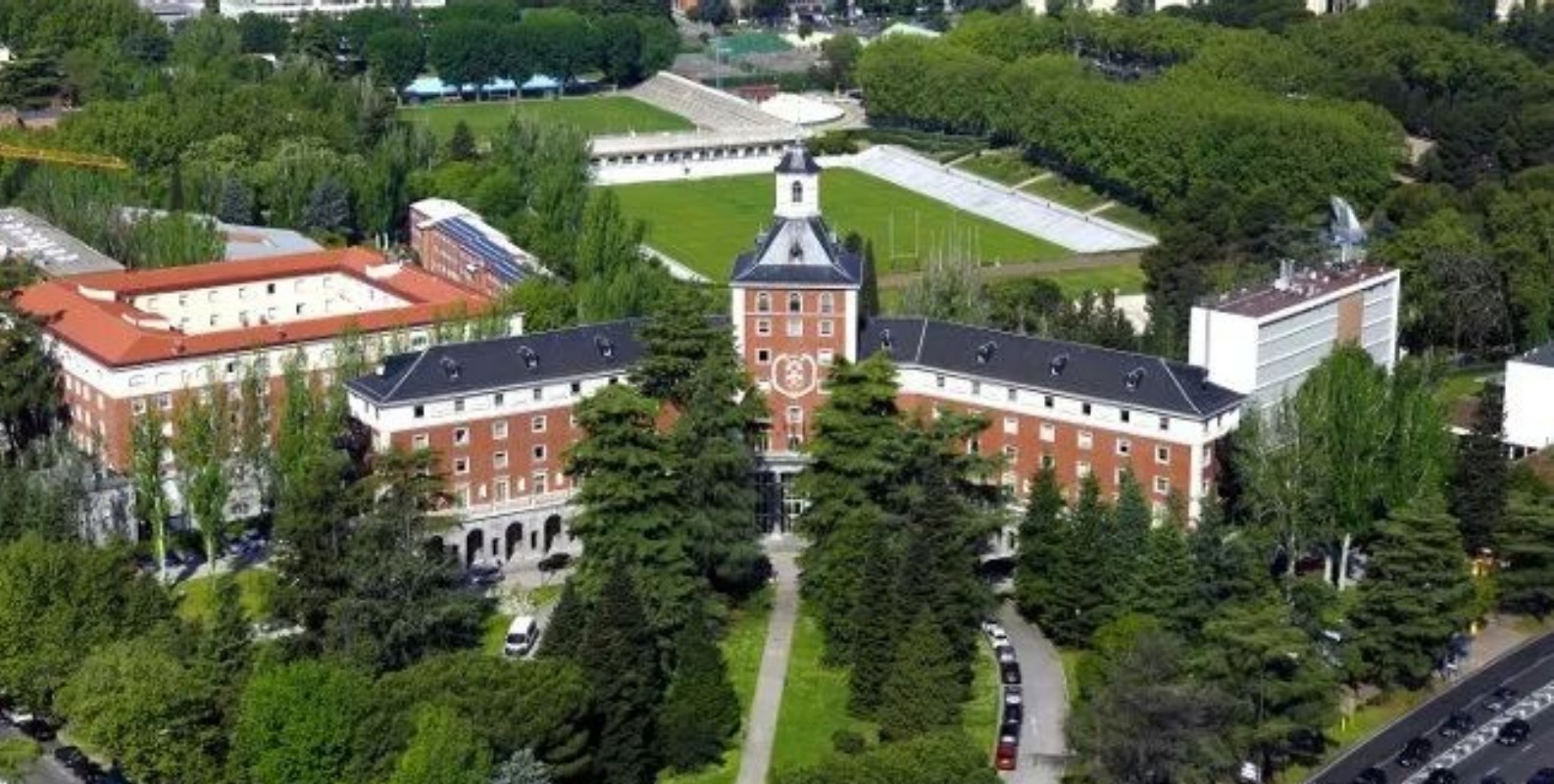
So, how can you make the most of these long ‘empty’ periods? My advice is: Make the library your second home
! While the official Spanish university start date schedule
tells you when the semester begins, the library is where you’ll really get your work done—completing group assignments, preparing for classes, and digesting theoretical knowledge. It might be hard to get used to at first, but you’ll gradually find that this system really challenges your self-management and time-planning skills. Once you adapt, you’ll have much more time that you can truly call your own.
I wonder if other students have such ‘peculiar’ schedules too? How do you all manage the long breaks between classes? Feel free to share your experiences and complaints below and give some valuable advice for future students!
