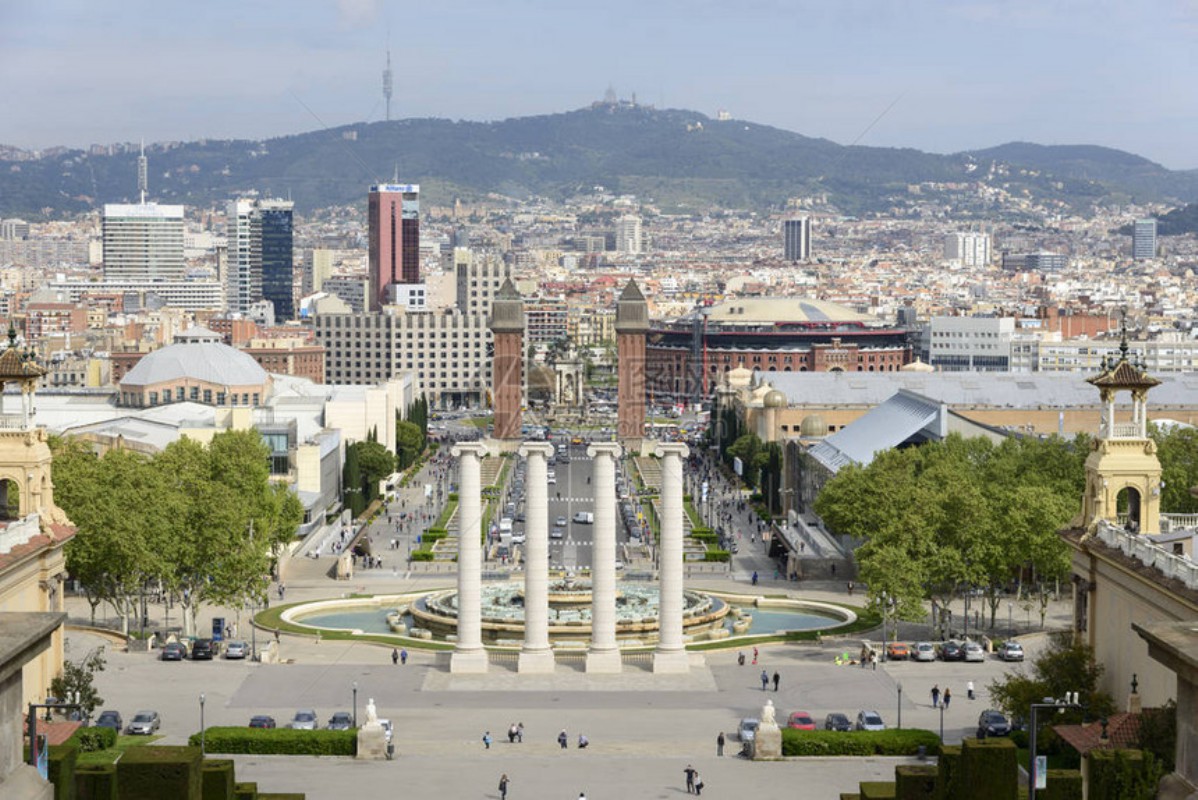
Having lived in Barcelona for three years, I’m still struck by the city’s architecture every time I walk its streets. This Barcelona is not just home to Gaudí’s timeless masterpieces; the entire city feels like an open-air architectural museum. Today, I’d like to share some of my observations and feelings about the city’s architectural styles.
Gaudí’s Fantastical World
When it comes to Barcelona’s architecture, the name Antoni Gaudí is absolutely essential. The Sagrada Família is still under construction, with completion expected in 2026. Every time I pass by, I can see new progress. The design of this church completely breaks with traditional architectural rules; its use of curves and natural elements is breathtaking. Casa Batlló and Casa Milà are equally spectacular. The former’s façade resembles the bones of a marine creature, while the latter’s undulating exterior creates different effects of light and shadow under the sun.
The Catalan Modernisme Movement
From the late 19th to the early 20th century, Barcelona underwent an architectural revolution. Besides Gaudí, there were architects like Lluís Domènech i Montaner and Josep Puig i Cadafalch. Their works blended Gothic, Islamic, and Art Nouveau styles to create the unique Catalan Modernisme. The Palau de la Música Catalana is a masterpiece by Domènech i Montaner, with its breathtaking interior of stained glass and mosaic decorations.
Here is a basic comparison of some of Barcelona’s iconic buildings:
| Building Name | Architect | Construction Period | Key Style |
|---|
| Sagrada Família | Antoni Gaudí | 1882-Present | Gothic + Art Nouveau |
| Casa Batlló | Antoni Gaudí | 1904-1906 | Modernisme |
| Palau de la Música Catalana | Domènech i Montaner | 1905-1908 | Catalan Modernisme |
| Casa Milà | Antoni Gaudí | 1906-1912 | Modernisme |
The Fusion of Modern Architecture
Barcelona hasn’t just rested on its past glories. After the 1992 Olympic Games, the city underwent a massive transformation, revitalizing the waterfront area. The telecommunications tower designed by Norman Foster and Jean Nouvel’s Torre Agbar have added modern elements to the city’s skyline. These contemporary structures engage in an interesting dialogue with the historic buildings of the old town, showcasing Barcelona’s inclusive and eclectic character.
Architectural Details in the Neighborhoods
What fascinates me most, however, are the ordinary buildings tucked away in the side streets. The streets of the Eixample district are laid out in a grid pattern, and the building on every corner features a unique façade. The wrought-iron railings on the balconies, colorful ceramic tiles, and carved doorways—these details reflect the Catalan people’s pursuit of beauty. Sometimes I feel the people living here are so lucky; heading out each day is like taking a stroll through an art gallery.
The architectural charm of Barcelona lies in its diversity and innovative spirit. From the medieval Gothic Quarter to the treasures of Modernisme and contemporary avant-garde designs, the city tells its story through its buildings. If you are also interested in architecture in Barcelona, I truly recommend coming to this Barcelona to experience it for yourself—photos can never fully convey the immersive impact of being there in person.
