I moved to Barcelona almost half a year ago, and I wanted to share what this city is really like. As the capital of Catalonia, Barcelona certainly has its unique charm, but there are also a few things to get used to.
City Overview and Location
Barcelona is located in the northeastern part of the Iberian Peninsula, facing the Mediterranean Sea and backed by the Collserola mountain range. The city has a population of about 1.6 million, with over 5 million in the entire metropolitan area. The climate here is typically Mediterranean, with hot, dry summers and mild, rainy winters. To be honest, I wasn’t used to the summer heatwaves when I first arrived, but the sea breeze is very pleasant.
Architecture and Cultural Heritage
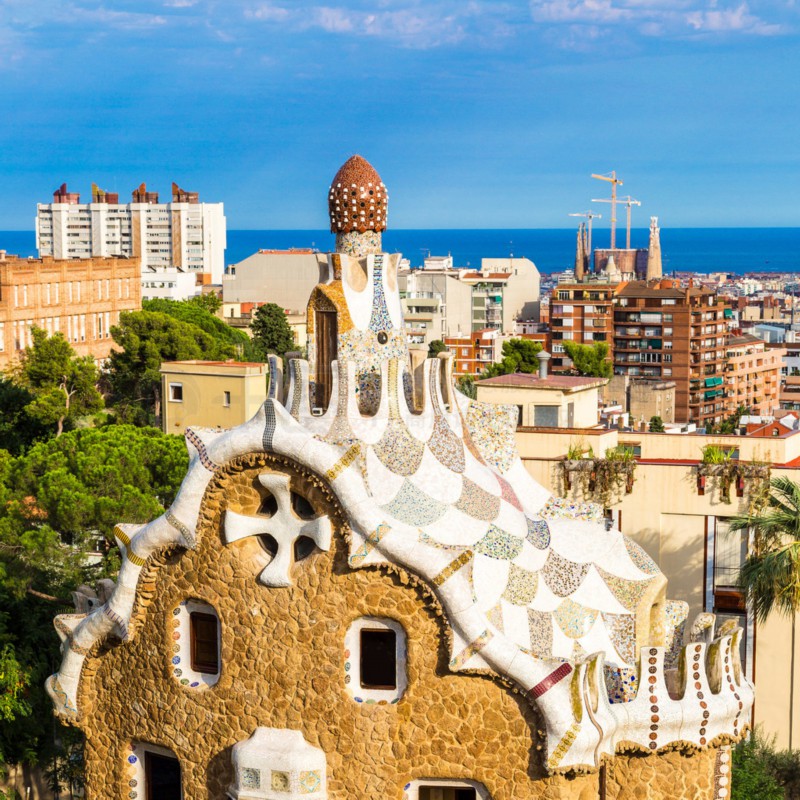
When you think of Barcelona, Gaudí’s architectural works inevitably come to mind. Landmarks like the Sagrada Família, Casa Batlló, and Casa Milà attract thousands of tourists every day. However, as a local resident of Barcelona, I prefer wandering through the narrow alleys of the Gothic Quarter. Those medieval streets and squares are where you find the true soul of the city.
| Famous Attraction | District | Suggested Visiting Time |
|---|
| Sagrada Família | Eixample | 2-3 hours |
| Gothic Quarter | Old Town | Half a day |
| Barceloneta Beach | La Barceloneta | 3-4 hours |
| Park Güell | Gràcia | 2 hours |
The Pace of Daily Life
The pace of life here is a bit different from other European cities. Lunch typically starts around 2 PM, and dinner isn’t until 9 PM or later. It was hard to get used to at first, but I’ve come to realize this schedule makes a lot of sense, especially in the summer when it allows you to avoid the hottest part of the day.
On weekends, La Rambla is always packed with people, but locals prefer the small bars in Gràcia or El Born. Paella and tapas are the signature dishes here, with prices ranging from €5 to €20, offering options for every budget.
Transportation and Getting Around
Barcelona has a very well-developed public transport system. The metro has 8 lines covering the main urban areas. A single ticket costs €2.40, and a monthly pass is around €40. Finding a parking spot if you drive is really difficult, so most people opt for the metro or bicycles. There are many Bicing bike-sharing stations throughout the city, which are incredibly convenient for short trips.
Barcelona is a vibrant city that preserves its historical charm while embracing modernity. If you’re planning to live here or travel long-term, getting to know Barcelona and its culture is highly recommended. Understanding the Catalan culture in Barcelona and learning a few phrases in Catalan will make integration much easier. Feel free to leave a comment if you have any questions!
