I’ve recently been looking into Barcelona’s urban layout and find its planning philosophy truly fascinating. As a long-term resident of Barcelona, I wanted to share some of my observations and experiences.
The Grid Pattern of the Eixample District
Barcelona’s most iconic urban plan is the Eixample district, designed by Ildefons Cerdà in the mid-19th century. This area features a strict grid layout with square blocks, each 113 meters per side, and streets 20 meters wide. Cerdà’s vision was remarkably forward-thinking, considering aspects like ventilation, natural light, and traffic flow.
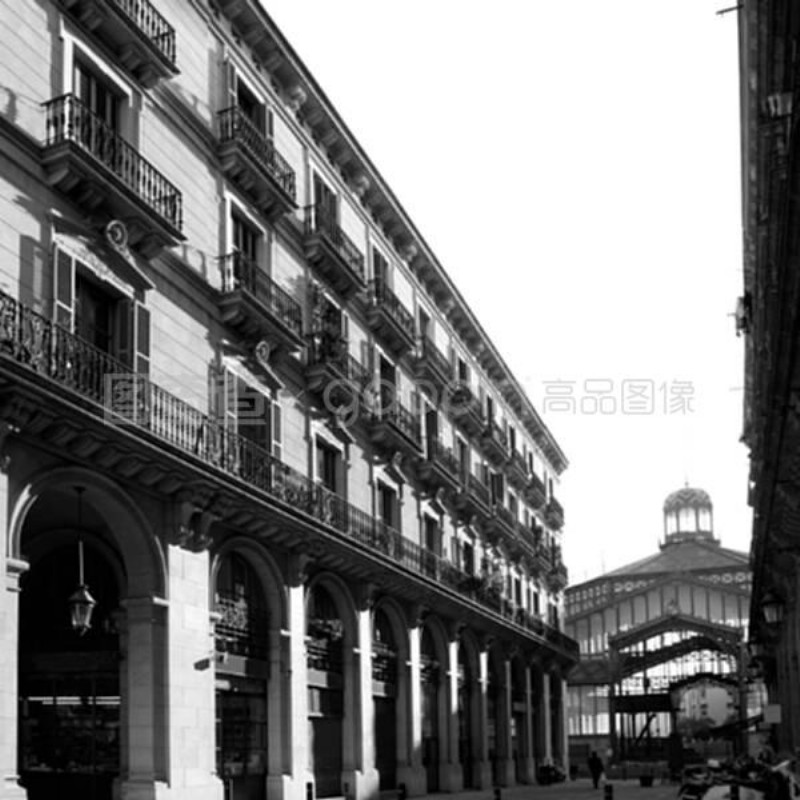
The most interesting feature is the chamfered corners of the blocks. Each corner is cut off, which has two main benefits: it improves visibility at intersections, making it safer for pedestrians and vehicles, and it also creates more public space. Walking down these streets, you’ll notice how open the sightlines are.
The Innovative Superblock Project
In recent years, Barcelona has introduced an urban transformation project called ‘Superblocks’ (Superilles). The core idea is to group nine traditional city blocks together into one ‘superblock,’ restricting through-traffic on the inner streets and reclaiming the space for pedestrians and cyclists.
| Before | After |
|---|
| Vehicle-dominated | Pedestrian-priority |
| Severe noise pollution | Quiet and pleasant environment |
| Limited public space | Increased green spaces and recreational areas |
| Poor air quality | Significant reduction in PM2.5 |
There’s a pilot superblock near where I live, and at first, it took some getting used to for Barcelona residents like me; driving around it was a bit of a hassle. But after a few months, I noticed more benches and plants appearing on the streets. Children can now play outside, and neighbors are more inclined to come out and chat. Although finding a parking spot has become harder, the overall quality of life has definitely improved.
Balancing Historical Preservation and Modern Development
A major challenge for Barcelona’s urban planning is balancing the preservation of historic buildings with the needs of a modern city. The Gothic Quarter, for instance, retains its medieval street layout. Its narrow, winding alleys are full of charm but also present challenges for traffic and infrastructure.
The city council has adopted several compromise solutions, such as implementing visitor flow restrictions in the old town to manage tourist numbers, modernizing the interiors of historic buildings while preserving their facades, and building underground parking and logistics tunnels to reduce surface traffic. While these measures aren’t perfect, they have at least helped the old town remain a vibrant area rather than just a tourist attraction.
Green Corridors and Sustainable Development
In recent years, Barcelona has begun developing a network of ‘green corridors’ to connect parks, squares, and green spaces. The goal is that by 2030, every resident will be within a 10-minute walk of a green area. The city is also promoting vertical gardens, encouraging the planting of vegetation on building facades, which is both aesthetically pleasing and helps reduce the urban heat island effect.
To be honest, Barcelona’s urban planning is not flawless. Issues like traffic congestion, high housing prices, and over-tourism still persist. However, overall, the city is actively trying to solve urbanization challenges with innovative approaches, and this spirit of exploration is commendable. As an ordinary resident of Barcelona, what we can do is actively participate in community discussions and contribute our ideas for the city’s future.
