Having lived in Barcelona for five years, every time I show friends around, I’m asked the same question: ’Which places best capture the city’s historical essence?' So today, I’ve put together a personal list of the top ten historical sites that I believe are most worth visiting—all places I’ve been to multiple times and genuinely recommend.
Gaudí’s Architectural Legacy
When you talk about Barcelona’s history, you can’t ignore Gaudí. Naturally, Sagrada Família comes first. Its construction started in 1882 and is still ongoing, which is a legend in itself. I highly recommend buying tickets online in advance; the on-site queues are incredibly long. Casa Batlló and Casa Milà are also on the must-see list. The former’s stained glass is surreal in the sunlight, while the latter’s rooftop terrace offers spectacular views. Although Park Güell requires a ticket, the famous mosaic bench and the panoramic city view are completely worth the price.
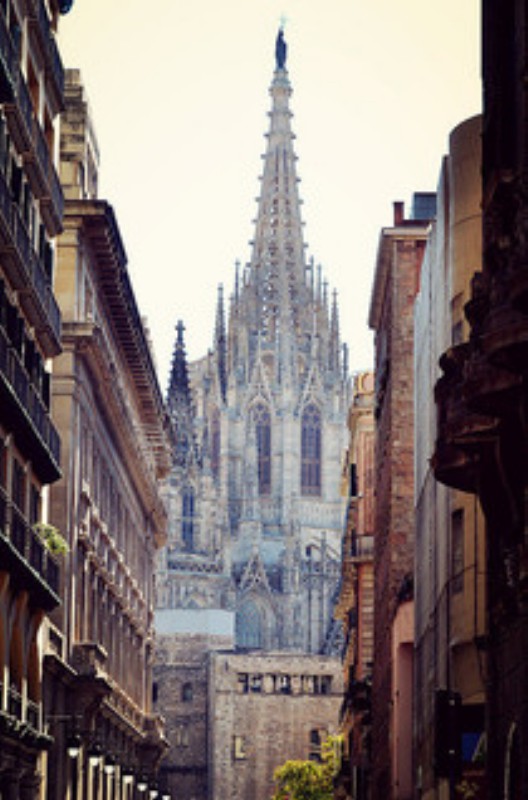
The Medieval Gothic Quarter
The Gothic Quarter is my favorite place to wander, with its narrow cobblestone streets flanked by centuries-old buildings. Here you’ll find the Barcelona Cathedral, a 13th-century Gothic masterpiece with a wonderfully tranquil cloister. Nearby, you can also explore the Barcelona History Museum. The surrounding Plaça Reial is full of small bars where you can sit down with a glass of vermouth, watch the world go by, and easily spend an afternoon. This area is also lively at night, but be sure to keep an eye on your belongings.
| Attraction | Construction Period | Rating | Ticket Price |
|---|
| Sagrada Família | 1882-Present | ★★★★★ | From €26 |
| Casa Batlló | 1904-1906 | ★★★★★ | €35 |
| Gothic Quarter Cathedral | 13th-15th Century | ★★★★ | Free/Donation |
| Park Güell | 1900-1914 | ★★★★ | €10 |
| Picasso Museum | Opened in 1963 | ★★★★ | €12 |
The Seaside and the Castle
At the top of the hill sits Montjuïc Castle, accessible by cable car, offering a panoramic view of the entire port and city. This 17th-century military fortress has witnessed countless historical changes in Barcelona. At the foot of the hill, the Magic Fountain hosts a spectacular light and music show on summer evenings, which is completely free to enjoy and a great way to experience Barcelona’s history and culture. Although La Rambla is now quite touristy and commercialized, walking from Plaça de Catalunya all the way down to the Columbus Monument still lets you feel the pulse of the city.
Practical Tips
Most attractions are closed or have shorter hours on Mondays, so it’s best to check before you go. It’s also wise to check Barcelona’s historical weather when planning your itinerary. If you plan to visit more than three Gaudí buildings, consider buying a combination ticket to save money. The summer peak season is extremely crowded, so visit during the off-peak season if you can. The Gothic Quarter and the seaside area are easily explorable on foot, but for Montjuïc Hill, it’s recommended to take the metro and then the cable car. Lastly, remember that Barcelona’s history isn’t just confined to its attractions. A random stroll down a small alley might lead you to a centuries-old street, and these spontaneous discoveries are often the most rewarding.
