Hey everyone! There have been a lot of posts in the forums recently about choosing a university for studying abroad, and I’ve noticed a crucial issue that many new students overlook: the language of instruction at the university. Many people assume that if you’re studying in Spain, all classes will be in Spanish, right? Well, that’s not always the case! Today, I’m here to talk about the complex language situation in Spanish universities, hoping to help future students avoid some common pitfalls.
Language Categories in Spanish Universities
To put it simply, universities in Spain can be broadly divided into three categories based on their language of instruction:
Exclusively Castilian Spanish Instruction: This is the most common model, especially in most regions like Madrid, Castile and León, and Andalusia. Universities in these areas, from undergraduate to master’s degrees, primarily use what we commonly call Spanish for teaching. Examples include the University of Salamanca and the Complutense University of Madrid. For us international students, this is the most straightforward option.
Mixed Instruction in Multiple Official Languages: This is mainly found in autonomous communities that have other official languages besides Castilian Spanish. The most typical examples are Catalonia, the Basque Country, and Galicia. In public universities in these regions, especially at the undergraduate level, many courses are taught in the local language. For instance, at the University of Barcelona, a course you choose might very well be taught in Catalan.
English or Multilingual Instruction: With increasing internationalization, many universities now offer programs taught entirely in English, which is particularly common for master’s programs in fields like business and engineering. Of course, the tuition for these programs is usually higher than for those taught in Spanish.
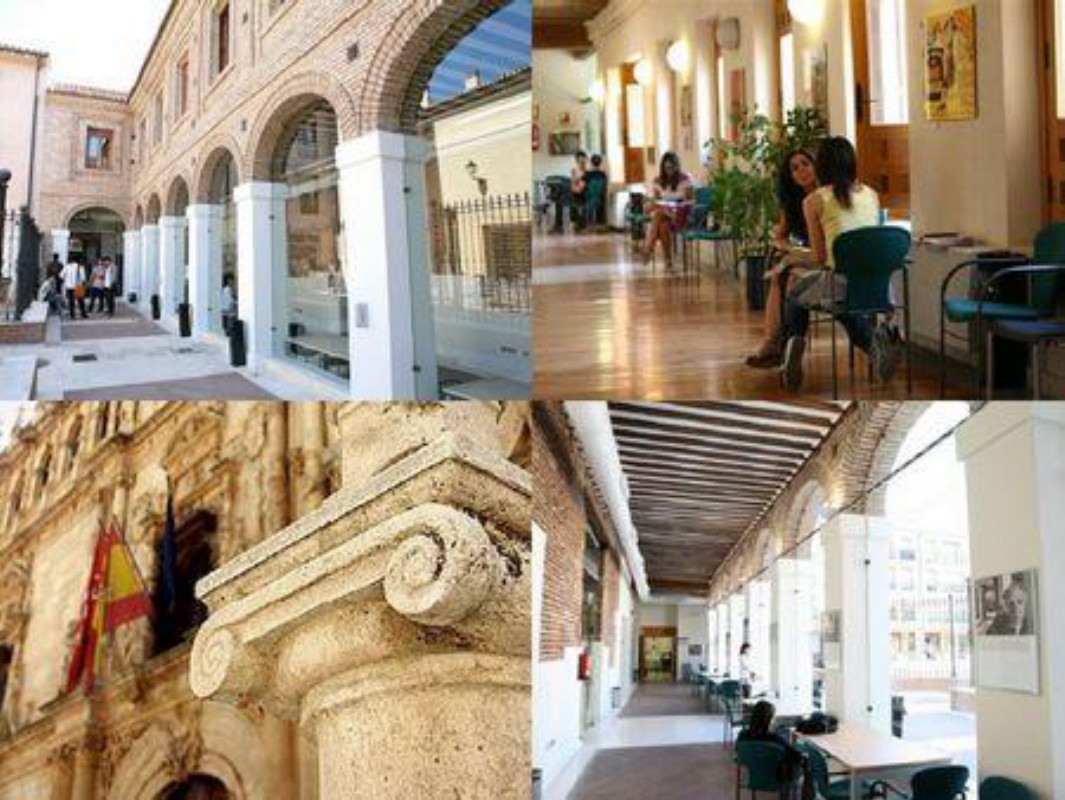
Overview of Language Situations in Autonomous Communities
To give you a clearer picture, I’ve put together a simple table listing some of the main autonomous communities with a ‘second official language’:
| Autonomous Community | Official Languages | Examples of Major Universities in the Region |
|---|
| Catalonia | Castilian Spanish, Catalan | University of Barcelona, Autonomous University of Barcelona, Pompeu Fabra University |
| Basque Country | Castilian Spanish, Basque | University of the Basque Country |
| Galicia | Castilian Spanish, Galician | University of Santiago de Compostela, University of Vigo |
| Valencian Community | Castilian Spanish, Valencian | University of Valencia, Polytechnic University of Valencia |
So, how should you choose?
If you’re not a language prodigy or don’t want to add extra academic pressure on yourself, you need to be extra careful when applying, especially when considering different Spanish university types. The safest approach is to visit the official website of your target university before applying and find the curriculum for the program you’re interested in. It will clearly state the language of instruction for each course. Never make assumptions based on the program name alone! This is particularly true for undergraduate applicants in regions like Catalonia, where the proportion of courses taught in Catalan can be quite high. Of course, the options for master’s and doctoral programs are more diverse, with more choices in both Spanish and English. In short, doing your research and proactively emailing the program coordinator is the key to success!
I hope this post is helpful to everyone! I also welcome students already studying in these regions to share their experiences. For example, what’s the language environment like at your university? Have you had any painful experiences of failing a class due to language barriers? Let’s discuss in the comments section!
