Lately, I’ve seen many newcomers on the forums asking about choosing a university for their children or for their own Master’s or PhD studies. I recently researched this for a relative, so I’m starting this thread to explain, in simple terms, the different types of universities in Spain and their key differences. I hope this helps anyone struggling with this decision.
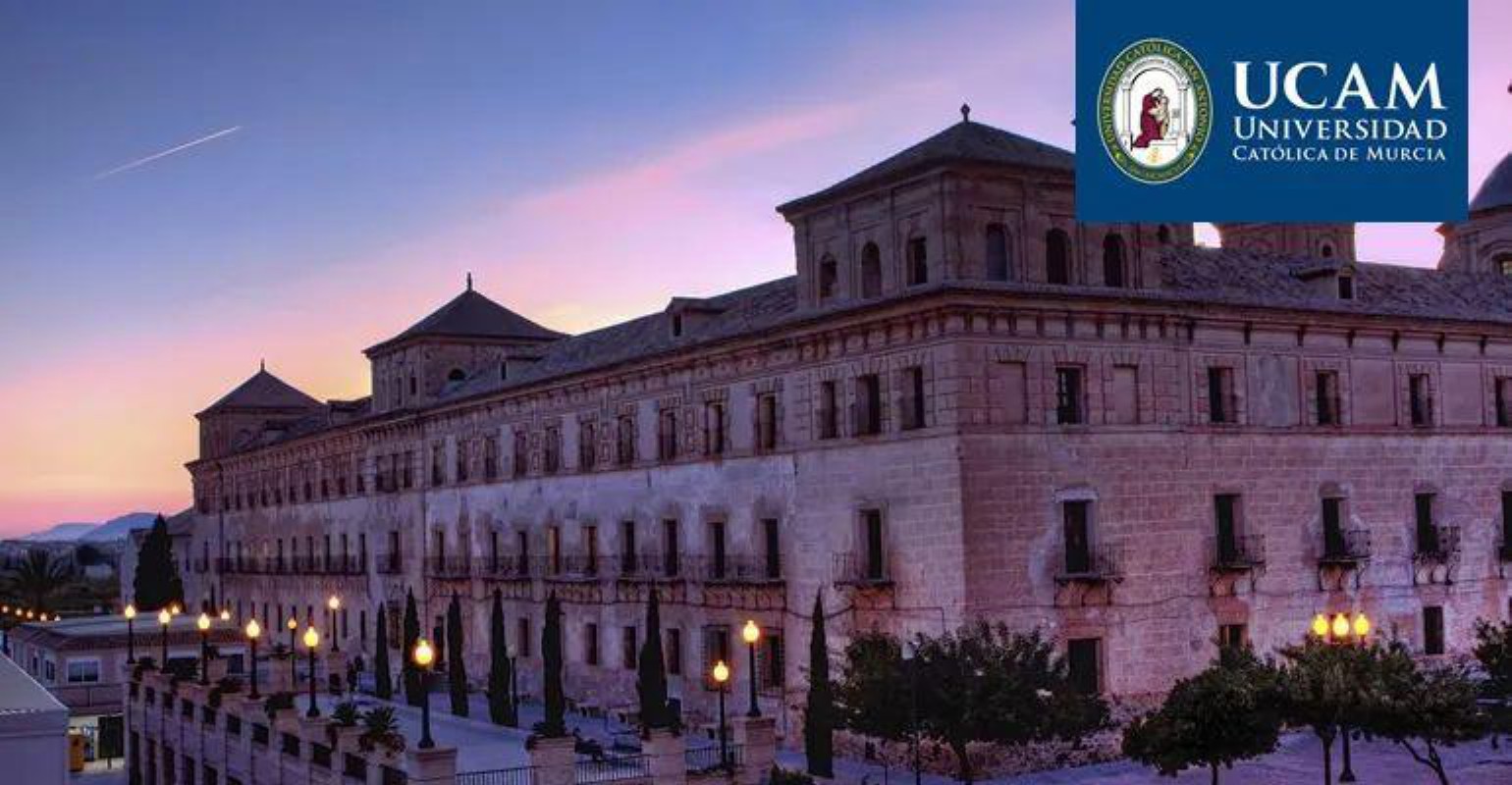
The Three Main Types of Spanish Universities
In Spain, universities are primarily divided into three categories: public universities, private universities, and Catholic universities. This isn’t a simple matter of ‘good’ vs. ‘bad’; each type has its own characteristics and approach. The right choice depends entirely on your needs and budget.
1. Public Universities - The Halls of Academia
These are the top choice for most Spanish and international students. Renowned institutions like the Complutense University of Madrid and the University of Barcelona are public. They are characterized by their long history, strong academic atmosphere, and high overall rankings. Most importantly, they are affordable! Since they are primarily funded by the government, the annual tuition for a bachelor’s degree can be just over a thousand euros, though master’s programs are more expensive. The downsides? Class sizes are large—sometimes hundreds of students in a single lecture hall—making one-on-one interaction with professors difficult. Additionally, administrative procedures can be quite bureaucratic and slow, as detailed in this guide on language classifications at Spanish universities, so you’ll need some patience.
2. Private Universities - Cradles for the Elite
Private universities are mainly funded by tuition fees and corporate sponsorships, so their fees are naturally much higher—it’s common to see annual costs of ten to twenty thousand euros or more. But you get what you pay for. Private universities typically boast modern facilities, small class sizes, and frequent student-faculty interaction. They place a strong emphasis on practical experience and have close ties with the corporate world, providing students with numerous internship and job opportunities. Institutions like IE Business School and ESADE Business School are prime examples of excellence in private education, with business programs that are renowned globally. If budget isn’t a concern and you’re seeking a premium learning experience and valuable networking opportunities, a private university is an excellent choice.
3. Catholic Universities - Havens for the Humanities
Catholic universities are a specific type of private institution founded and managed by the Catholic Church, such as the Comillas Pontifical University in Madrid and the University of Deusto in Bilbao. Although they have a religious background, they do not require students to adhere to any particular faith. Their academic strengths often lie in the humanities, social sciences, law, and theology. They are known for a disciplined and rigorous academic environment, with a strong emphasis on character education. Campuses are often smaller, fostering a strong sense of community and closer relationships between students and faculty. Their degrees are fully recognized by the state, just like those from public universities.
To make it clearer, here is a simple comparison table:
| Type | Main Funding Source | Tuition Level | Advantages | Disadvantages |
|---|
| Public University | Government funding | Low | High academic reputation, wide range of programs, cost-effective | Large class sizes, lower administrative efficiency |
| Private University | Corporate/Private | High | Modern facilities, strong industry connections, highly international | Expensive tuition, overall ranking may not match top public universities |
| Catholic University | Church/Private | Medium-High | Strong focus on humanities, strong community feel, disciplined environment | Relatively limited program selection, some concepts may be traditional |
Choosing a university is like finding the right fit. If you’re looking for cost-effectiveness and deep academic tradition, a public university is your best bet. If you prioritize career development, networking, and a premium learning experience, consider a private one. And for those who appreciate a focus on humanities and a close-knit community, a Catholic university holds a unique appeal. I hope this information is helpful, and I welcome any additions or corrections from experienced members! Either way, you have to study hard—no slacking off.
