Lately, many people on the forum have been discussing settling down and buying property. Seeing the lively conversations, I thought I’d share my own experience of buying a resale home in Barcelona. From browsing listings on Idealista to finally getting the keys, the process isn’t overly complex, but there are quite a few pitfalls. I hope this can be a helpful reference for those of you who are considering it, helping you avoid some common mistakes!
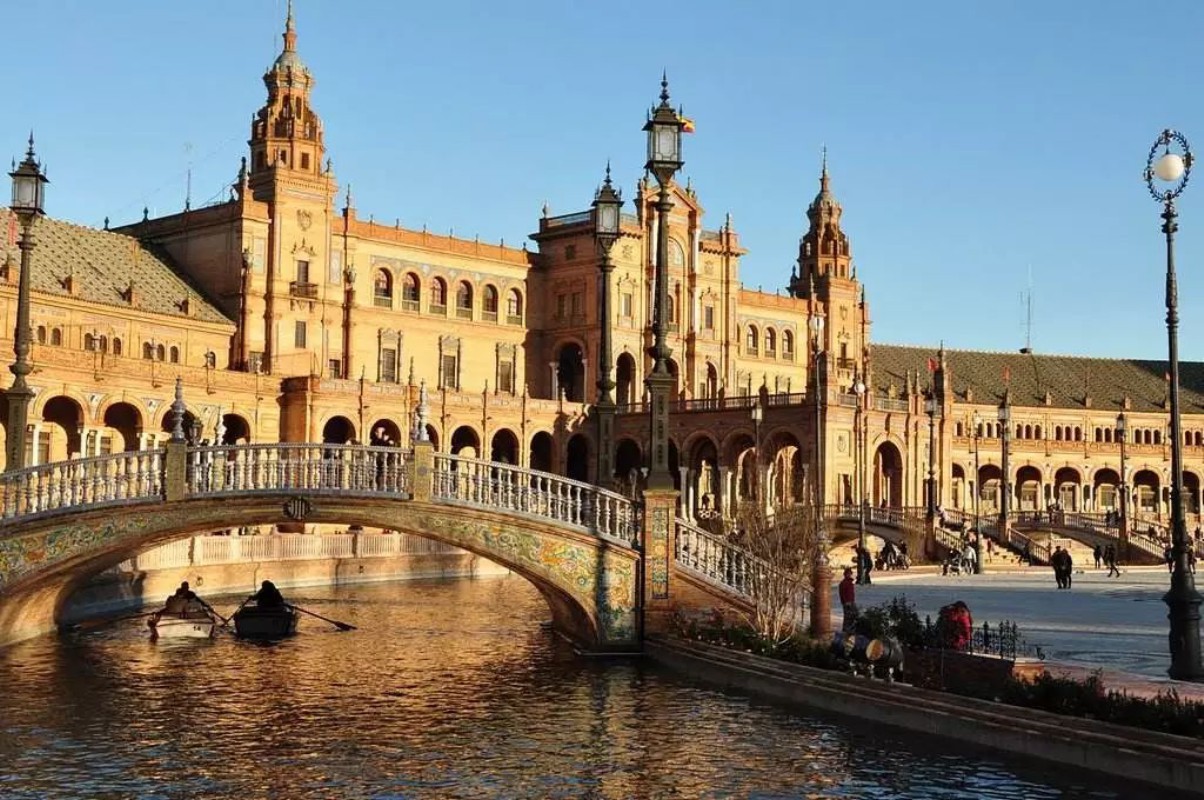
The biggest advantages of buying a resale property are the wide selection, mature neighborhoods, and the high likelihood of it being move-in ready. Unlike new builds, with a second-hand home, what you see is what you get. Of course, you still need to inspect the property’s condition carefully. For instance, with a neighborhood apartment that looks great on the outside like this one, the internal structure and the condition of the facilities are what truly matter.
Main Process and Timeline
In simple terms, buying a resale property involves these steps:
- Preparation: Obtain your NIE number, open a Spanish bank account, and assess your budget.
- Viewing and Selecting: Find properties through real estate agents or on platforms like Idealista, Fotocasa, and other Spanish property apps.
- Making an Offer and Reservation: Once you find a property you like, negotiate the price with the owner, then sign a reservation agreement (reserva) and pay a small deposit. This takes the property off the market.
- Signing the Deposit Contract (Contrato de Arras): This is a crucial step! It’s usually signed one or two weeks after the reservation. The buyer pays a deposit, typically 10% of the purchase price. If the buyer backs out, they lose the deposit; if the seller backs out, they must repay double the deposit. Before signing, it is essential to have a lawyer review the contract and check for any debts or issues with the property.
- Applying for a Mortgage: If you need financing, this is the time to apply for a mortgage with a bank.
- Signing the Public Deed of Sale (Escritura): Sign the final contract before a notary, pay the remaining balance and associated taxes, and get the keys! If everything goes smoothly, the entire process from reservation to completion takes about 2-3 months.
What Are the Buying Costs?
Besides the property price itself, the biggest expenses are taxes and fees. You must budget for these in advance, as they typically amount to 10%-15% of the purchase price. I’ve put together a simple table for reference:
| Cost Item | Paid By | Approximate Cost |
|---|
| Property Transfer Tax (ITP) | Buyer | 10% of the property price |
| Notary Fees | Buyer | €500 - €2,000 |
| Property Registry Fees | Buyer | €400 - €1,500 |
| Lawyer/Advisor (Gestoría) Fees | Buyer | €1,000 - €3,000 or 1% of the price |
| Municipal Capital Gains Tax (Plusvalía) | Buyer Seller | Legally the seller’s responsibility, but check the contract |
| Real Estate Agency Fees | Usually the seller | Check the contract, as it can sometimes be passed on to the buyer |
Some Honest Advice
Finally, a few words from the heart: First, make sure you have a sufficient budget; the taxes and fees are often higher than you’d expect. Second, don’t just take the real estate agent’s word for it, especially regarding the property’s condition. It’s best to hire an architect or surveyor for a technical inspection. Third, and most importantly, you must hire your own lawyer! The legal fees are a necessary expense; your lawyer will investigate all potential issues with the property and protect your interests.
I hope this information is helpful! Owning your own little home in Spain is a wonderful thing. Feel free to join the discussion and share your thoughts. I wish you all the best in finding your dream home soon! ¡Buena suerte!
