Lately, many friends on the forum have been discussing settling down and buying a home, so I thought I’d chip in and talk about a topic I’ve researched for a long time: buying a house by the sea in Spain. Who wouldn’t want a home where you can open the window to the azure Mediterranean? But when you actually get down to it, there are quite a few ins and outs. I hope this can serve as a small guide for others who share this dream.
First, here’s a picture to feast your eyes on—this is exactly what I dream of! Spain has such a long coastline, so where should you choose? This is the first big question to tackle when it comes to buying a house by the sea in Spain. The most commonly discussed areas are the Costa del Sol in the south and the Costa Blanca in the east, but there’s also the Costa Brava in the north and others. Each region has a very different atmosphere and price range.
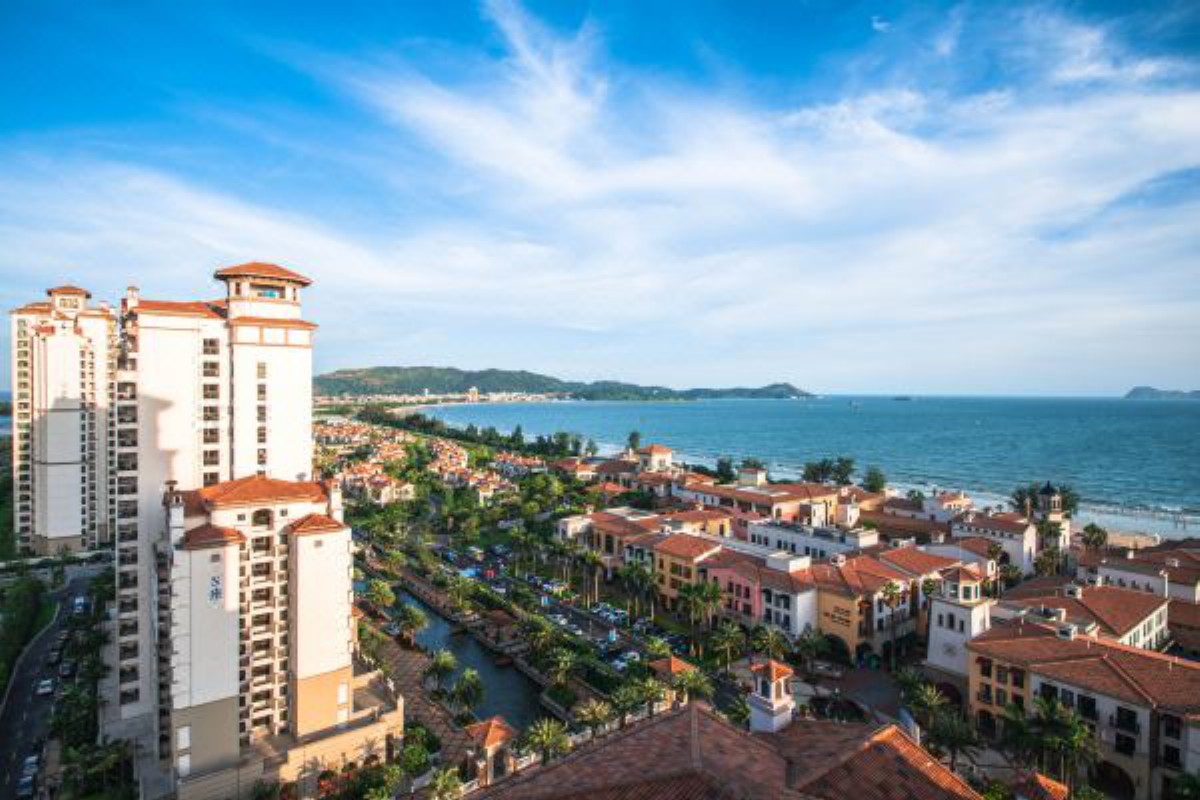
Overwhelmed by Coastal Choices? Here’s a Table to Help You Decide
To make it more intuitive, I’ve put together a simple table outlining the characteristics of a few popular coasts. Of course, this is just my personal take, and everyone is welcome to add their own insights.
| Region | Pros | Cons |
|---|
| Costa del Sol | Excellent climate, sunny year-round; highly international, convenient for daily life | Extremely crowded with tourists in summer, relatively high property prices; some areas are over-commercialized |
| Costa Blanca | More affordable property prices, wide variety of options; high-quality beaches, great for families | Can be a bit quiet in the winter; a high concentration of British tourists |
| Costa Brava | Stunning natural scenery, close to France; rich in culture | Colder and rainier winters; mountainous terrain, less convenient transport than in the south |
Beyond the Location, Here’s What Else to Consider
Once you’ve narrowed down a general area, it’s time to talk about the financial side. A budget is a given, but don’t forget to account for various taxes and fees, such as ITP (Property Transfer Tax), notary fees, lawyer fees, etc. This usually adds up to 10-15% of the property price, which is a significant amount! Also, foreigners must have an NIE number to buy property, so be sure to apply for it in advance. Finding a reliable lawyer is crucial. They will help you review all the documents and avoid pitfalls, like checking if the property has any outstanding debts or has a valid certificate of occupancy. Never try to save money by skipping the lawyer! That’s a hard-earned lesson from someone who’s been there.
Buying a seaside home in Spain is a wonderful dream, but it’s also a complex process. The more homework you do upfront, the fewer headaches you’ll have later. Pay special attention to issues like humidity and maintenance in coastal properties. If you’re buying a resale home, be sure to carefully inspect the building’s age and condition. I hope my humble experience can be of some help to you all. Have you encountered anything interesting or fallen into any traps while house-hunting? Feel free to leave a comment below and let’s discuss!
