More and more people on the forum have been asking about buying property recently, so I decided to put together my experiences and the research I did when I bought my place in Barcelona last year. I hope this helps! This is just my personal experience—I’m not an agent. If I’ve gotten anything wrong, feel free to correct me in the comments!
Budget and Financial Preparation
First, it’s crucial to understand that the total cost of buying a home is much more than just the property price. Besides the sale price, you need to budget an extra 10%-15% for various taxes and fees. This guide on buying property in Spain covers the details, but these costs mainly include property transfer tax, notary fees, land registry fees, and legal fees. So, if you find a €500,000 property while buying in Madrid, you should have at least €550,000 available to be on the safe side.
How to Choose a Popular City?
Madrid, Barcelona, and Valencia are the top choices for most people. Each city has its own pros and cons. I’ve made a simple comparison table for your reference:
| City | Property Prices | Return on Investment | Pace of Life |
|---|
| Madrid | High | Stable | Fast |
| Barcelona | Very High | Higher | Relaxed/International |
| Valencia | Moderate | High Potential | Slow, Livable |
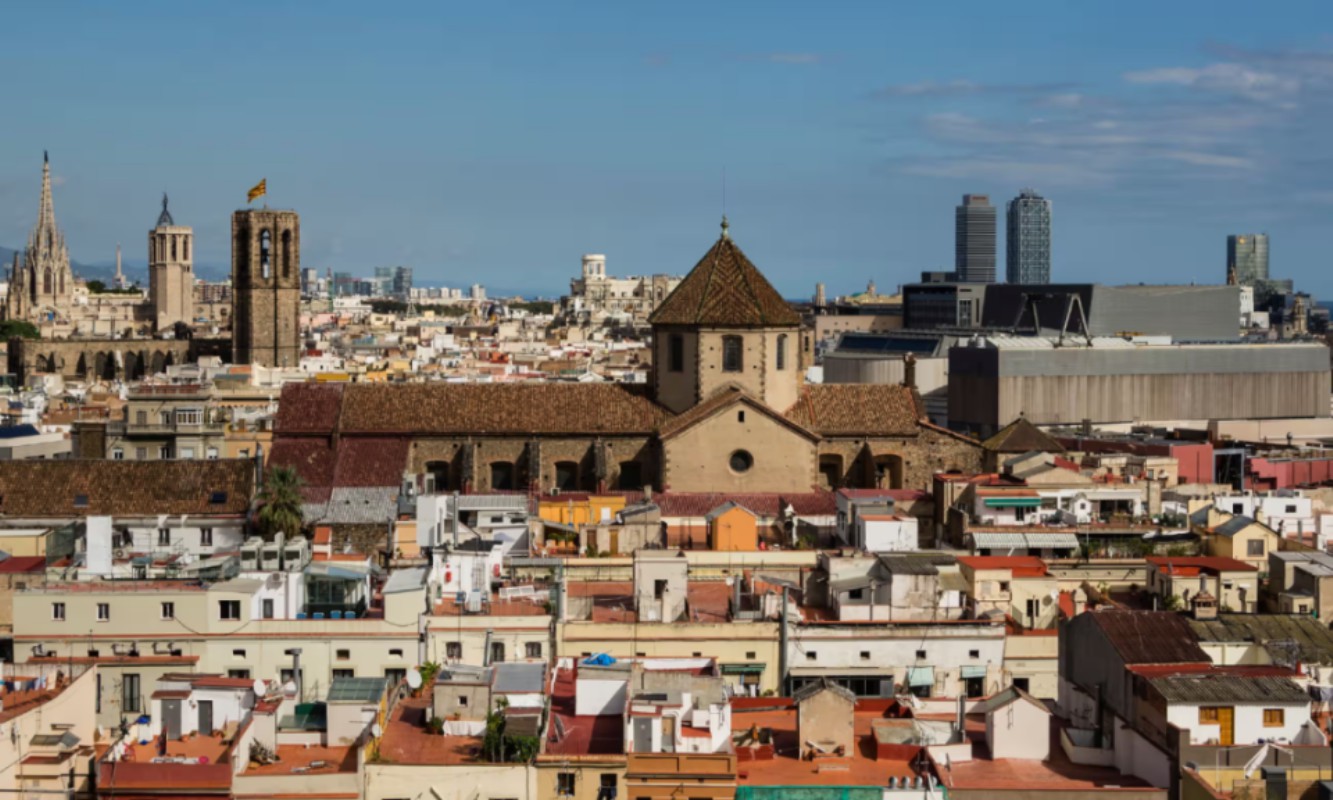
I personally chose Barcelona, mainly because I love the climate and the international atmosphere. However, from a pure investment perspective, Valencia might currently offer better value for money and higher growth potential.
Overview of the Property Purchase Process
The property buying process in Spain is quite complex and relies heavily on lawyers. The general steps are as follows: 1. Search for and view properties; 2. Once you find a property you like, make an offer, sign a reservation contract (contrato de arras), and pay a deposit; 3. If you don’t have an NIE number and a Spanish bank account, you need to get them immediately; 4. Your lawyer will conduct due diligence on the property to check for debts, illegal constructions, etc.; 5. If everything is in order, after about 1-3 months, you will sign the final purchase deed (escritura) at a notary’s office and pay the remaining balance; 6. Finally, you take the deed to the tax office to pay the taxes and then to the Land Registry to complete the transfer of ownership.
Investing in property in Spain is a great option, but the process can be complicated and has its pitfalls. Especially if you don’t speak the language, finding a reliable lawyer is crucial. I almost made a mistake on a property that had outstanding debts, but luckily, my lawyer caught it in time. If you have any questions or experiences to share, feel free to leave a comment below and discuss!
