Lately, there’s been a lot of buzz in the forums about life here, and I’ve noticed many people are thinking about settling down in Spain. I’ve recently done a deep dive into the major task of buying a house. The process can seem a bit complex, but once you break it down, it’s not so daunting. Today, I’m sharing what I’ve learned, hoping it can help others on the same journey!
Step 1: Essential Preparations
In Spain, it’s nearly impossible to get anything done without an identification number, and this is especially true for buying property. So, before you even start house hunting, it’s crucial to lay the groundwork for buying a house in Spain.
Getting an NIE and a Bank Account
The Número de Identificación de Extranjero (NIE) is absolutely essential. You’ll need it for everything from signing contracts and paying taxes to setting up utilities like water, electricity, and internet. It’s best to apply for it as early as possible by making an appointment through the consulate or a Spanish police station, as mentioned in this guide on buying a house in Madrid. At the same time, opening a local Spanish bank account is crucial for paying the deposit, the property price, and applying for a mortgage. Don’t wait until you’ve found a house to scramble to get these things sorted.
Step 2: Viewing Properties and Making an Offer
Once the prep work is done, you can start the fun part: house hunting! Besides major property websites like Idealista and Fotocasa, you can also work with a reliable real estate agent. When you see a property you like, don’t rush into it; view several options to compare. Many properties in Spain are sold ‘as is’, so for older houses, be sure to carefully inspect the electrical and plumbing systems, the community environment, and the neighborhood.
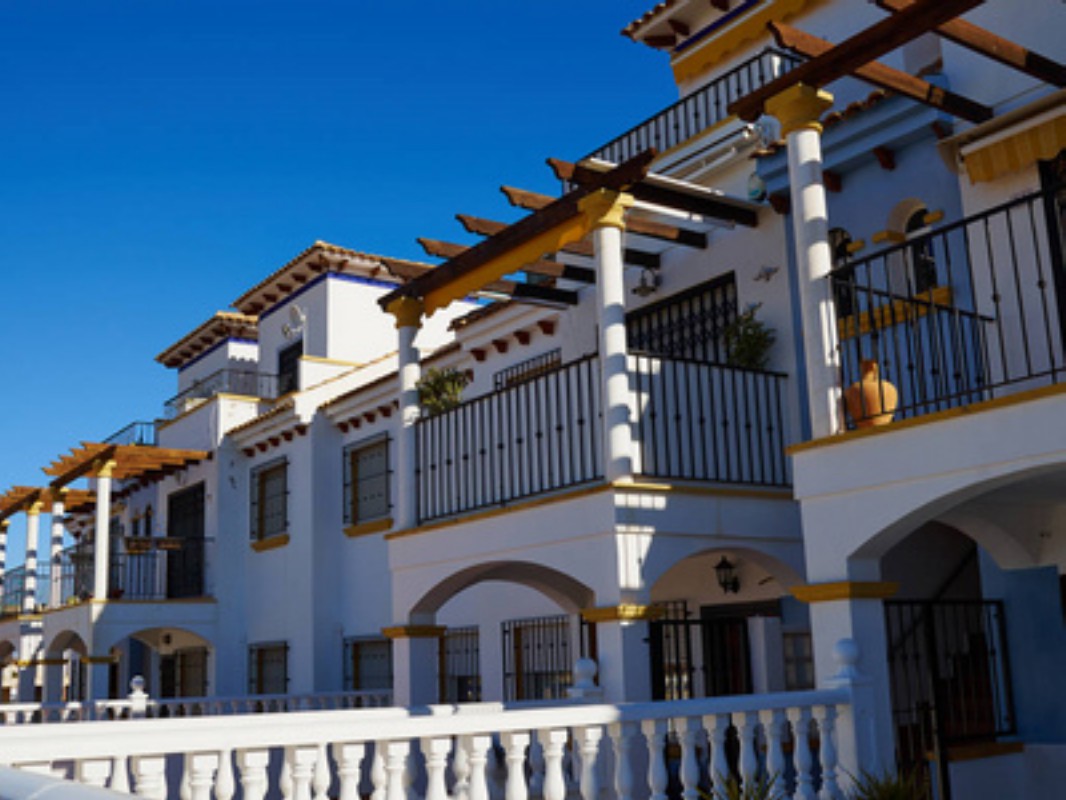
After finding your dream home, you can make an offer to the owner or agent. Prices are usually negotiable, so don’t be shy—go ahead and bargain!
Step 3: Signing Contracts and Closing the Deal
Once your offer is accepted, you’ll move to the contract stage. The contract signing process here is generally a three-step affair, with each step carrying different legal weight and commitments. I’ve created a simple table to make it easier to understand:
| Contract Type | Main Purpose | Payment Amount |
|---|
| Reservation Contract (Contrato de Reserva) | To reserve the property, taking it off the market temporarily | €1,000 - €5,000 |
| Deposit Contract (Contrato de Arras) | A legally binding commitment to purchase | 10% of the property price |
| Public Deed of Sale (Escritura Pública) | The final transaction; completes the title transfer at the notary’s office | The remaining balance |
Important Note: Once the deposit contract is signed, if the buyer backs out, the deposit is forfeited. If the seller backs out, they typically must pay back double the deposit. Therefore, it’s crucial to have a lawyer review the contract before you sign to ensure everything is in order!
Step 4: Associated Taxes and Fees
Finally, let’s talk about the part everyone is most concerned about: the costs. In addition to the property price, there are significant taxes and fees to consider. The main ones include:
- Transfer Tax (ITP): Paid on resale properties. The rate varies by autonomous community, typically between 6% and 10%.
- VAT (IVA): Paid on new-build properties, currently at 10%.
The tax rate is the same for new and resale homes—this is a common misconception.
- Other Fees: Notary fees, property registration fees, legal fees, agency commissions, etc. It’s wise to budget an additional 2% - 4% of the property price for these.
In total, you should be prepared for an extra budget of 10% - 15% on top of the property price for all taxes and miscellaneous fees.
The entire process usually takes about two to three months. While it can be tedious, the feeling of owning your own home in the land of sunshine is absolutely worth it. I hope this guide provides a clear roadmap for you. If you have any experiences or questions about buying a house here, feel free to share and discuss them in the comments below!
