Hi everyone, I finally got my property mortgage sorted out! The whole journey, from viewing properties to signing at the notary’s office, was a real rollercoaster. I’ve noticed many people on the forums are curious about this, so I decided to put my experience together. Hopefully, it can serve as a reference for those looking to get on the property ladder and help you avoid some common pitfalls.
Initial Preparation - Don’t Go In Unprepared
Whether a bank will grant you a loan primarily depends on three things: your identity, repayment capacity, and down payment. First, a valid residence permit is a must. Second, and most importantly, is proof of stable income. A permanent employment contract is a huge plus, as it shows the bank you’re a reliable borrower. Lastly, there’s the down payment. Generally, banks will lend you a maximum of 80% of the property price, meaning you need to cover the remaining 20% yourself. But that’s not all. You’ll also need an additional 10%-15% of the property price to cover various taxes and fees. So, it’s best to have about 30% of the property’s value saved up in cash to be on the safe side.
Choosing a Bank and Mortgage Product
In Spain, mortgages mainly come in two types: fixed-rate and variable-rate. A fixed-rate mortgage means your monthly payment remains the same throughout the entire loan term, which is great for peace of mind as you’re protected from interest rate hikes. A variable-rate mortgage is usually linked to the Euríbor, and while the initial rate might be lower, it carries future uncertainty. In the current economic climate, I personally lean towards a fixed rate for stability. I recommend visiting several banks, like Santander, BBVA, and CaixaBank, to compare their offers. You could also consider hiring a professional mortgage broker; they often have access to more resources and can sometimes negotiate better terms for you.
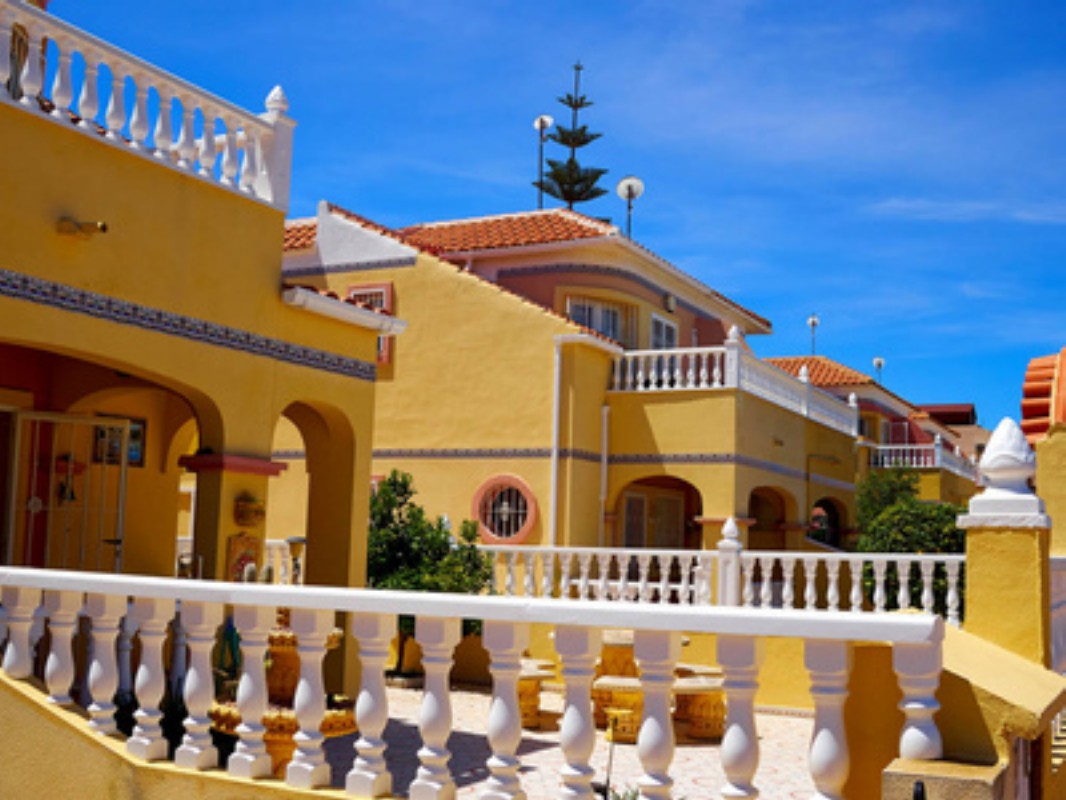
The Core Stage: Document Submission and Valuation
Once you’ve chosen a bank, you’ll enter the most tedious phase: preparing the documents. This part truly requires patience! The bank will ask for a mountain of paperwork to verify your identity, income, and financial status. I’ve compiled a basic checklist for your reference:
| Document Type | Description |
|---|
| Identification | Copy of your NIE, copy of your passport |
| Proof of Income | Last 3-6 months’ payslips, previous year’s income tax return, employment contract |
| Bank Statements | Last 6-12 months of statements from all your bank accounts |
| Credit Report | Some banks may request a credit report from the Bank of Spain. For more details on the overall process, you can check this guide on the property buying process in Spain. |
| Property Information | Property reservation agreement, Nota Simple (a brief property information report) |
After you submit all the documents, the bank will commission an independent valuation company to appraise the property you’ve chosen. This valuation is critical because the final loan amount the bank approves will be 80% of the lower of two figures: the ‘purchase price’ or the ‘appraised value’. If the appraised value is significantly lower than the purchase price, it means you’ll need to come up with a larger down payment.
Approval and Signing
Once all the documents and the valuation report are in, the bank’s internal approval process begins. The waiting time can vary, from a few days to several weeks. Upon approval, the bank will issue a document called the FEIN (Ficha Europea de Información Normalizada), which is a legally binding mortgage offer outlining all the loan terms. From the day you receive the FEIN, you have a mandatory ‘cooling-off period’ of at least 10 days. During this time, you must attend a free consultation at a notary’s office, where the notary will explain every clause of the contract to ensure you fully understand it. This step is extremely important, don’t skip this step! Make sure you understand every single detail. Once you’re confident everything is in order, you can arrange a date with the bank and the seller to officially sign the purchase deed and mortgage contract at the notary’s office.
Although applying for a mortgage in Spain involves many steps, the process is quite standardized and transparent as long as you’re well-prepared and your documents are accurate and complete. Wishing you all the best in finding and settling into your dream home in Spain!
