I finally got the keys to my new home in Barcelona recently, and I’m incredibly excited! 🥳 The whole journey felt like completing a challenging quest—I ran into some pitfalls but learned a lot. I’ve seen many people on the forums asking about buying a property, so I decided to share my personal experience to hopefully help others.
Step 1: Preparation and Budgeting
First things first, preparation is key. To start, you must have an NIE number, which is the foundation for all economic activities in Spain, including getting a mortgage in Spain. Next, you’ll need to open a local Spanish bank account for transfers and a potential mortgage application. The most crucial part is to calculate your total budget! In addition to the property price, you need to set aside an extra 10%-15% for taxes and various fees. Don’t forget this amount, or you’ll find yourself in a tight spot later.
Step 2: Viewing Properties and Making an Offer
Once your preparations are in order, you can start the fun part: property hunting! I primarily used Idealista and Fotocasa. When I found something I liked, I contacted the agent directly. It’s essential to view multiple properties and compare them; don’t make a rash decision. When you find a place you truly love, you can make an offer to the agent. If a price is agreed upon, you’ll typically sign a reservation agreement (contrato de reserva) and pay a small deposit, usually a few thousand euros, to take the property off the market.
Step 3: Contracts and Mortgage
After the reservation, the most critical step is signing the deposit contract (contrato de arras). At this point, you’ll usually pay a deposit of 10% of the property price. This contract is extremely important as it outlines all transaction details and penalties for breach of contract. If the buyer backs out, the deposit is forfeited; if the seller backs out, they typically have to return double the deposit. For those needing a mortgage, this is also the stage to finalize all the details with your bank. The main taxes and fees involved in buying a property are summarized in the table below:
| Fee Type | Approximate Rate/Amount |
|---|
| Property Transfer Tax (ITP) | Varies by region, typically 6%-10% |
| Notary Fees | From a few hundred to over a thousand euros |
| Property Registry Fees | A few hundred euros |
| Agency/Handling Fees (Gestoría) | A few hundred euros, optional but recommended |
Step 4: Signing at the Notary and Getting the Keys!
Once all the documents and funds are ready, it’s time for the exciting final step! The buyer, seller, lawyers, and bank representatives will meet at the notary’s office to read and sign the final deed of sale (escritura de compraventa) in front of the notary. After signing and paying the remaining balance, the notary will hand you the keys on the spot! It’s a truly rewarding moment!
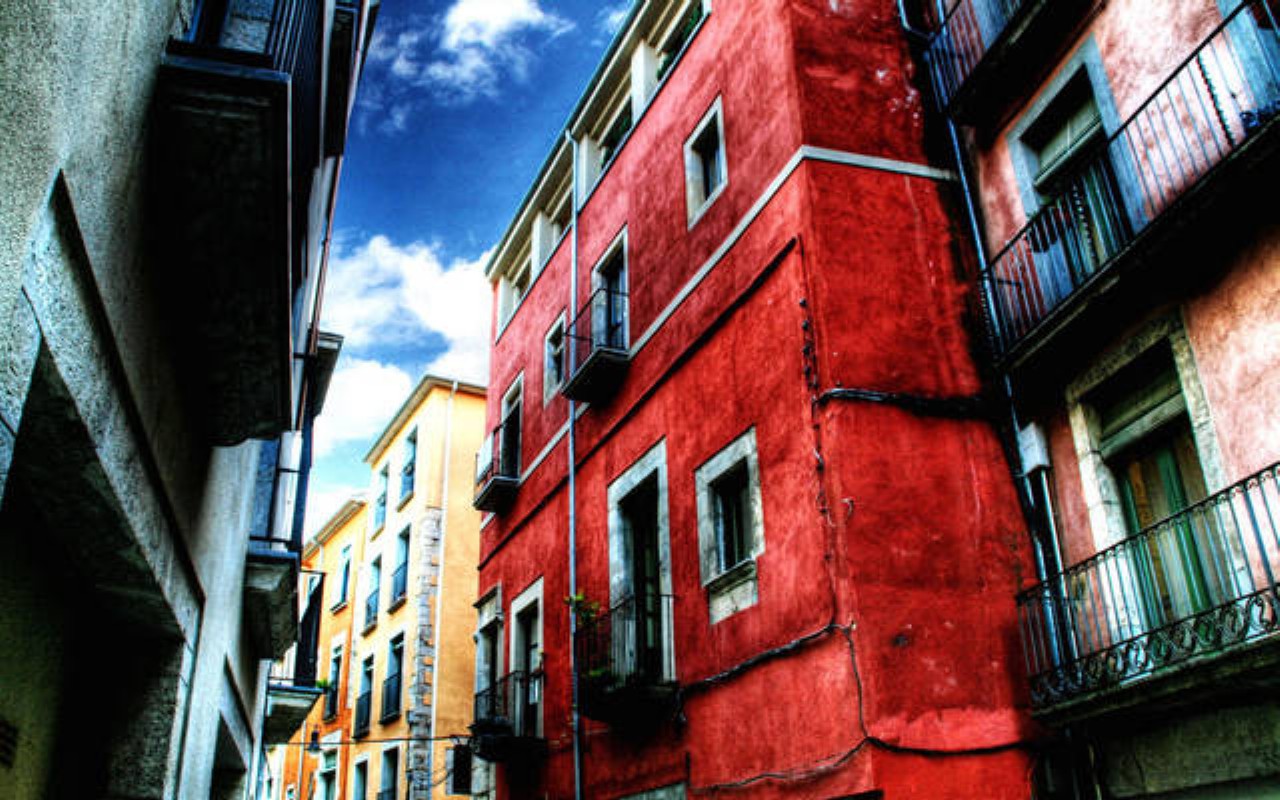
The process of buying a home in Spain is straightforward, but the details can be complex. It’s highly recommended to hire a reliable lawyer or consultant. This is just my personal experience and should not be considered legal advice. I hope everyone successfully finds their dream home! Feel free to leave any questions in the comments below for discussion.
