Lately, a lot of newcomers on the forum have been asking about their children’s schooling, particularly about choosing and applying to public schools in Madrid. My child just started primary school this year, and having gone through the whole process, I’ve picked up a few tips. I’m starting this thread to share what I’ve learned, including some things about the Official Language School, and I invite all you experienced parents to chime in and share your thoughts!
A Brief Introduction to School Types in Spain
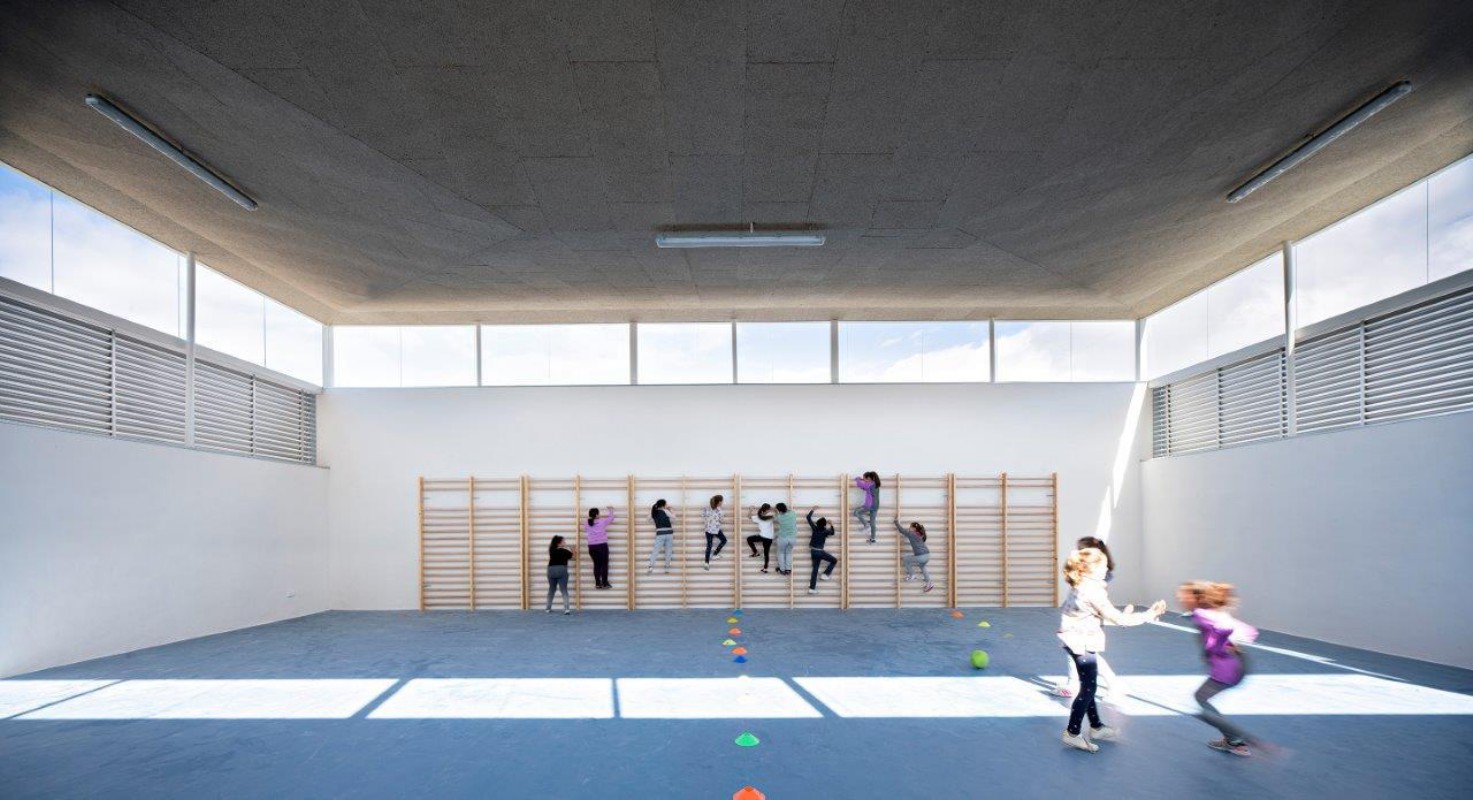
In Spain, schools are mainly divided into three types: public schools (colegios públicos), semi-private/charter schools (Concertados), and private schools. Public schools are government-funded and completely free. Concertados receive government subsidies, so tuition is very low or free, though they may ask for additional ‘voluntary’ contributions. Today, we’re focusing on public schools. Some people might have the misconception that public schools are ‘where the underachievers go,’ but that’s not true at all. Many public schools in Madrid boast excellent facilities and staff, and the prevalence of bilingual programs is very high.
The Core: The Points-Based Application System
Admission to public schools in Madrid is not first-come, first-served, nor is it based on exams. Instead, it uses a very transparent points system. Every year, the Department of Education publishes a scoring standard, and the admission order is determined by your total score. The higher your score, the greater your chance of getting into your first-choice school. This score is mainly composed of the following parts:
- Family Address: The closer you live to the school, the more points you get. This is the most important factor!
- Annual Family Income: The lower the income, the more points you get.
- Siblings: Having a brother or sister already enrolled in the same school gives you a high number of points directly.
- Other Circumstances: For example, being a large family (familia numerosa), having a parent working at the school, or a child with a disability all grant additional points.
The application period is usually from March to April each year, so be sure to keep an eye on the official education website of the Community of Madrid. On the website, you can look up your designated school district and detailed information about all the schools based on your home address. From my personal perspective, choosing a public school has the following pros and cons:
| Pros | Cons |
|---|
| Completely free, less financial pressure | More diverse student backgrounds |
| Close to home, convenient for drop-off and pick-up | Intense competition for popular schools |
| Emphasis on holistic and ‘happy’ education | Facilities might be older in some schools |
Choosing a school is a big deal, but there’s no need to be too anxious. Finding a public school that is close to home and has a decent reputation is a great option for letting your child learn Spanish and the local culture in a relaxed environment. After all, home education is what matters most, isn’t it?
That’s all I have to share for now. This is all based on my personal experience, so it might not be completely accurate. Please feel free to correct or add to it. Which district’s school does your child attend? How do you feel about it? Let’s chat!
