After living in Spain for a while, who doesn’t dream of owning a Chalet with a yard and a pool? Especially in the south, with over 300 days of sunshine a year, it feels tailor-made for outdoor living. But once you have the house, the design becomes the main challenge. I recently came across a modern villa case study in the Andalusia region that I found very inspiring, and I’d like to share it for discussion on how to create a home that has an authentic Spanish feel while also being comfortable.
One of the most appealing aspects of this Spanish villa renovation for me is its handling of light and space. The entire ground floor is almost completely open-plan, with the living room, dining room, and open-concept kitchen connected as one continuous space that opens directly onto the pool in the yard. The designer used huge sliding glass doors that, when fully opened on a nice day, blur the line between indoors and outdoors, making the entire area feel twice as large. This kind of design is particularly popular on the Costa del Sol—after all, who wouldn’t want to wake up to the sight of blue skies and a swimming pool?
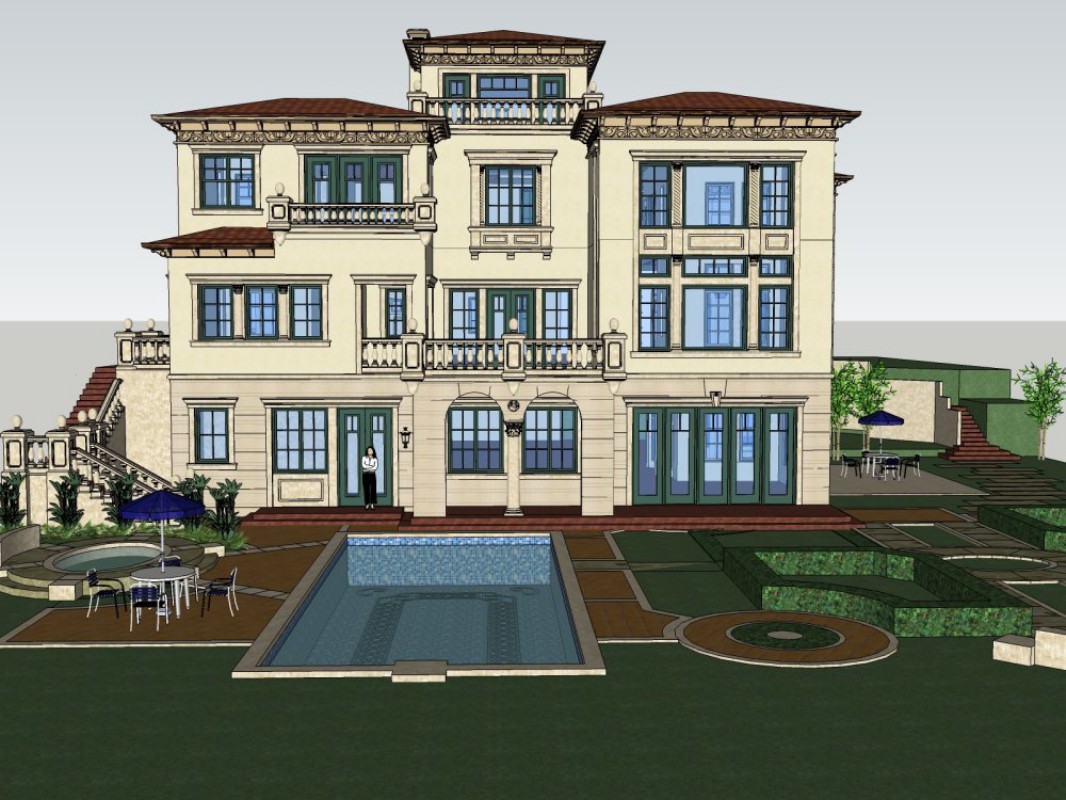
In terms of materials and colors, this case study follows a typical modern Mediterranean style. The exterior walls are painted a vast expanse of pure white. This isn’t just for aesthetics; more importantly, white reflects most of the sunlight, helping to keep the interior cooler in the summer—a form of passive cooling. Inside, there’s extensive use of natural wood flooring and furniture, complemented by touches of natural stone, which adds a warm texture to the minimalist space. I personally find this combination very sophisticated, and this kind of Spanish villa design is also much easier to maintain than many more complex designs. Ornate European-style carvings are honestly quite outdated now.
Practical Considerations for Style Choices
Design can’t just be about aesthetics—practicality and budget are king. I’ve put together a brief comparison between modern and traditional Andalusian styles on a few key points for your reference, and you can find more great examples in these Spanish villa designs:
| Feature | Modern Minimalist | Traditional Andalusian |
|---|
| Maintenance Cost | Lower, simple lines, easy to clean | Higher, more details like wooden beams and tiles |
| Natural Light | Excellent, usually designed with large windows | Average, smaller windows for insulation |
| Sense of Space | Strong, favors open-plan layouts | Weaker, clear functional divisions |
| Construction Cost | Varies widely, depends on materials and design | Relatively stable, high craftsmanship required |
This table is just a rough guide; the specifics will depend on the designer and material choices.
In my opinion, the core of Spanish villa design is to embrace nature and enjoy the sun. Whether modern or traditional, a successful design is one that brings the beauty of the outdoors and the sunlight into the home as much as possible. When you’ve been house-hunting or renovating, have you come across any design details you particularly admire or any pitfalls to avoid? Feel free to leave a comment below to chat and share some inspiration for those of us struggling with renovation ideas!
