As the weather gets better, I find myself wanting to escape the city. Every time I see those country houses with yards and fruit trees, I get that itch to buy one. I wonder if anyone else on this forum has had the same thought about buying a country house in Spain? It seems like a beautiful dream, but there’s more to it than meets the eye. I’ve been doing some research lately and wanted to share what I’ve learned to get the ball rolling.
First, it’s crucial to understand a key concept. When the Spanish talk about a Finca Rústica, they’re not just referring to a house; they mean a ‘rural property,’ with the emphasis on the land itself. This is completely different from an urban property, or Finca Urbana. Many Rústica plots are legally classified as agricultural or forestry land, which means there are very strict regulations on what you can do on it, whether you can extend the building, or even if you can legally live there. Before you buy, you absolutely must clarify the land’s classification; this is the most fundamental step for any Spanish villas.
Choosing a location is also a big decision. Spain is vast, and the rural charm of each region is different. For example, southern Andalusia is sunny, full of olive groves and white cottages, making it very romantic. Galicia, on the other hand, has a ‘Wizard of Oz’ feel with its lush greenery and characterful stone houses. Catalonia’s Masías are also very distinctive, not far from Barcelona, making life convenient. Each has its own appeal; it all depends on the lifestyle you’re looking for.
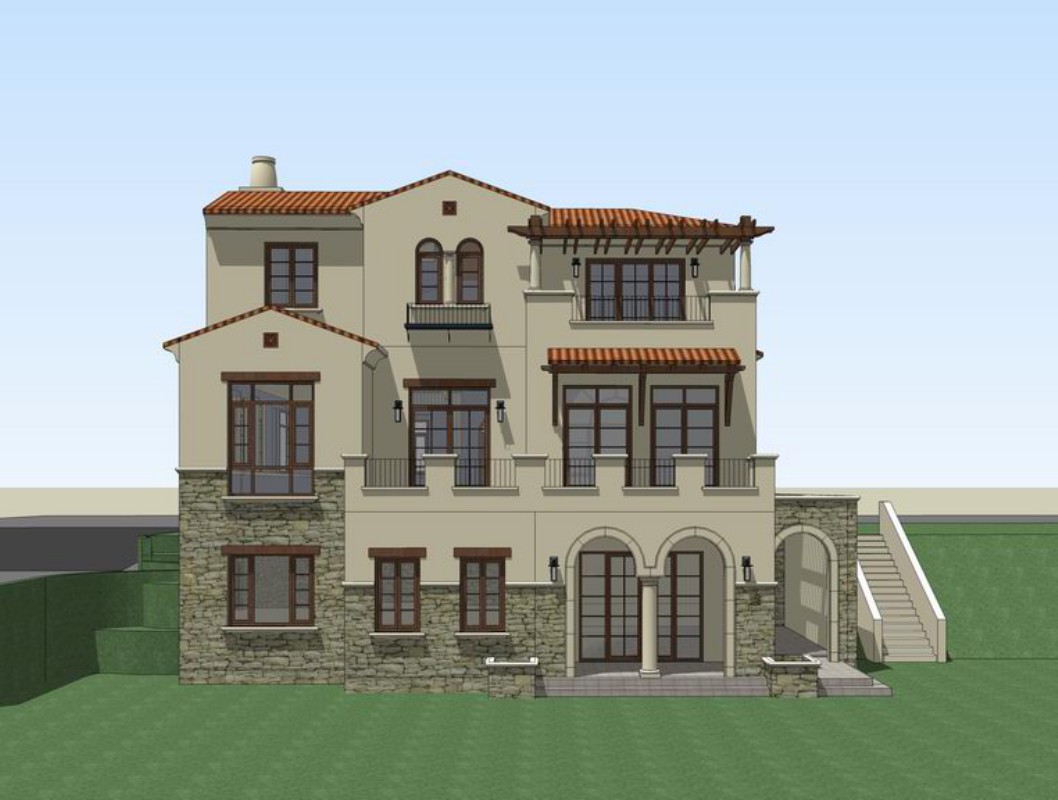
Key Points to Verify Before Buying
No matter where you find a house you like, there are a few things you should look into yourself before contacting a lawyer, such as the general Spanish villa prices. I’ve put together a simple table, using a villa in Barcelona as an example, that you can use as a reference to avoid potential pitfalls:
| Check Item | Spanish Term | Key Question |
|---|
| Certificate of Occupancy | Cédula de Habitabilidad | Is the house legally habitable? Is it expired? |
| Cadastral Information | Catastro | Do the buildings on the cadastral record match the actual property? |
| Land Registry Extract | Nota Simple | Are there any debts on the property? Is the title clear? |
| Utilities | Suministros | Is it connected to the public water and electricity grid? Or does it use a well and a generator? |
| Illegal Construction | Construcción Ilegal | Are there any unauthorized extensions to the house or pool? |
Finally, a word of advice: when buying this kind of country house, you need to be realistic. The photos might look like a romantic dream, but what you might actually face after taking over are things like a leaky roof, an intermittent internet signal, and the ‘convenience’ of a 30-minute drive to the nearest supermarket. Make sure you set aside a sufficient budget for renovations, and find a reliable construction team. Often, the cost of remodeling can be more than the purchase price of the house itself.
Owning your own little country house in Spain is definitely a cool thing. But it’s best not to be impulsive; do your homework thoroughly. Has anyone been looking at similar properties? Or for those who have already taken the plunge, do you have any experiences or pitfalls to share? Feel free to discuss in the comments below!
