Lately, it seems more and more people on the forum are talking about houses. Several friends have private messaged me asking if buying a villa with a garden and a pool in Spain is as wonderful as it seems. As someone who has already taken the plunge and learned a thing or two about the price of villas in Spain, I want to share my perspective. The answer is: Yes, it’s wonderful, but only if you’re fully prepared for some practical realities.
The Crucial First Step: Choosing the Right Location
Spain is a huge country, and the styles and prices of villas vary dramatically. The most talked-about villa areas are mainly concentrated in the south, on Andalusia’s Costa del Sol, in the east on the Costa Blanca, and on the Balearic and Canary Islands. These places are sunny, beautiful, and have excellent amenities, but they also come with higher price tags. If you’re looking for a quieter, more authentic lifestyle, you might consider some inland towns where property is much cheaper. However, unlike with a villa near Barcelona, you might have to make some trade-offs regarding transportation and daily conveniences. My personal advice is to spend some time in the beginning renting in different areas for a month or two to get a real feel for the place before making a decision.
More Than Just the Price Tag: Calculating the Total Upfront Investment
Seeing a villa listed for €500,000 doesn’t mean €500,000 is all you need. When buying a resale property in Spain, on top of the property price itself, there’s a host of other taxes and expenses. These costs typically amount to 10%-15% of the property price, which is a significant sum. For those considering something like a detached villa in Valencia, I’ve put together a simple table for your reference:
| Cost Item | Approx. Percentage/Amount |
|---|
| Property Transfer Tax (ITP) | 6% - 10% |
| Notary Fees | Approx. 0.5% - 1% of property value |
| Land Registry Fees | Approx. 0.5% - 1% of property value |
| Lawyer/Gestor Fees | Usually around 1% of the property price |
So, make sure you budget for these extra costs before you start looking
! Don’t be like my friend who found the perfect house only to realize they were short on funds—that’s a very awkward situation.
The Real Test: Ongoing Ownership Costs
Buying the villa is just the first step; the real test comes from the ongoing ownership costs, which are much higher than for an apartment. First, there’s the annual property tax, known as IBI, which is based on the council’s valuation. If your property is part of a community, you’ll also have community fees, or gastos de comunidad, for maintaining common areas. But the biggest expenses are often the maintenance of the house itself: the garden needs regular trimming, the pool requires cleaning and water changes, and the exterior walls might need repainting every few years. These are all continuous investments.
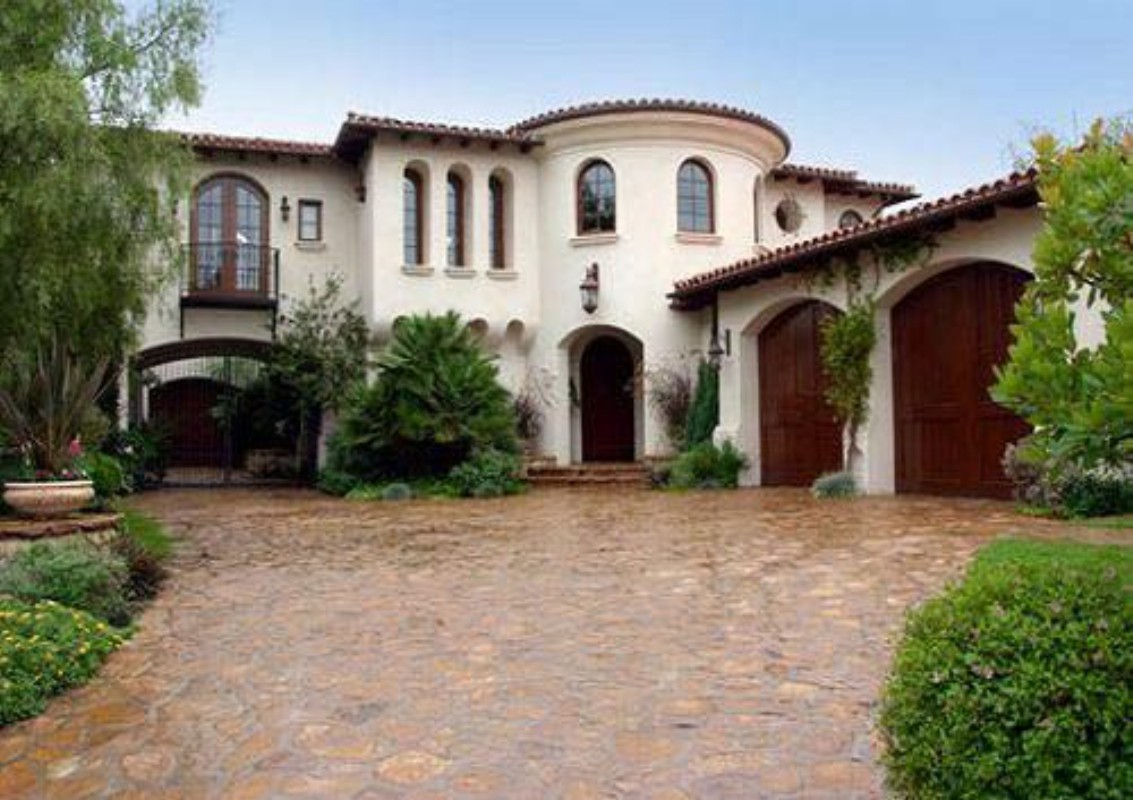
Owning a villa in Spain is an absolutely fantastic lifestyle experience. Having a BBQ in your own garden on the weekend, or relaxing in the pool during the summer, offers a sense of freedom and comfort that you just can’t get in an apartment. But behind this wonderful life is the need to invest the necessary money and effort into maintenance. I hope my sharing has been a little helpful for those of you considering buying a villa. Feel free to discuss and share your thoughts in this thread!
