Recently, many friends on the forum have been discussing the slow-paced lifestyle in Spain, and the ultimate dream often comes up: owning your own country estate. Sunshine, olive trees, a large courtyard… it’s a beautiful picture. But to turn this dream into reality, the first question is: How much does it actually cost? Having lived in Spain for several years and followed the property market closely, I’d like to share what I know to give those interested a general idea.
Key Factors Influencing the Price
Location is the Decisive Factor
As everyone knows, location is everything. The same is true in Spain. If you’re looking to buy a villa with a pool in popular affluent areas like Marbella or Ibiza, you’ll likely need a budget of several million euros. However, if you shift your focus to inland regions like the countryside of Andalucía or Extremadura, where you can find charming Spanish villa interiors, the prices become much more affordable. For the same budget, the land you could buy with some Spanish country estates might be several times larger than what’s available on the coast.
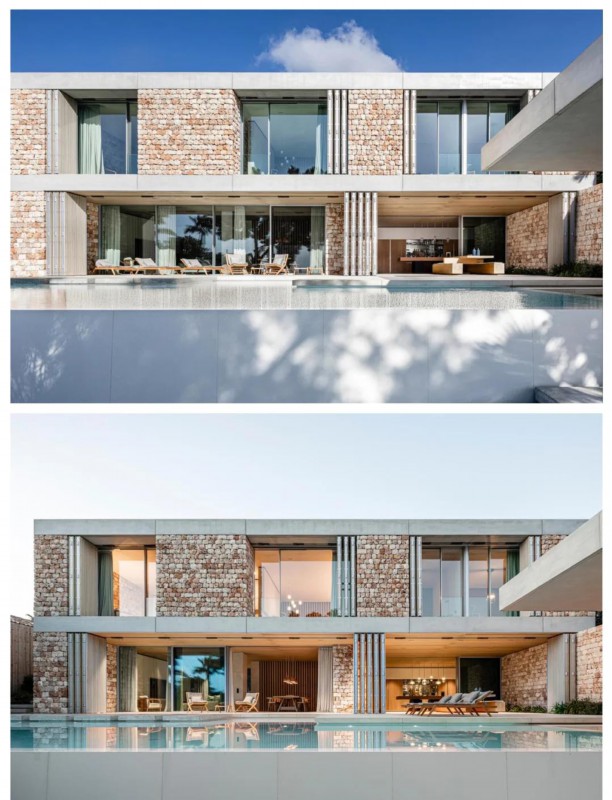
To give you a more direct sense of the costs, I’ve put together a simple table with approximate price ranges for a typical Spanish country villa. Keep in mind that the final price always depends on the specific property:
| Region/Type | Approximate Price Range | Notes |
|---|
| Costa del Sol Modern Villa | €1.5M - €5M+ | New build, fully equipped, near the beach |
| Balearic Islands Sea View Finca | €2M - €10M+ | Prime holiday destination, premium prices |
| Inland Countryside Finca with Land | €300k - €800k | Large plot of land, authentic lifestyle |
| Northern Galicia Stone House | €100k - €300k | Needs renovation, humid climate, unique scenery |
Abandoned ruins Farmhouse to be restored | €50k - €150k | A big challenge, suitable for DIY enthusiasts |
Aside from the purchase price itself, don’t forget about the slew of additional costs. These expenses are not insignificant, typically amounting to 10%-15% of the property price. They mainly include property transfer tax (which varies by region), notary and registration fees, lawyer fees, and so on. You also need to factor in the ongoing ownership costs, such as annual property tax (IBI), community fees, and maintenance for the garden and pool. All of these must be factored into your budget in advance!
Owning a country estate in Spain can be a top-tier luxury for the wealthy or an attainable pastoral dream for the average person. It all depends on your choices and expectations. Spending a hundred thousand euros on an old stone house to renovate yourself over time is a completely different experience from spending millions on a turnkey luxury estate. Which option are you more drawn to? Feel free to leave a comment below and share your thoughts!
