When I first came to Spain, I always dreamed of having a little white house with a yard where I could plant lemon trees and bougainvillea. After a lot of searching and effort, I finally settled down in the south. I hit a few snags along the way but also gained some valuable experience. Today, I’m starting this thread to share it all, hoping to help others who share the ‘dream of a country estate’.
First Step: Location, Location, Location. Sun-Drenched Coast or Inland Countryside?
Many people first think of Andalusia’s Costa del Sol. It’s sunny, life is convenient, and there’s a well-established expat community. However, the downside is that property prices are relatively high, and it gets packed with tourists in the summer. Personally, I prefer the inland towns, a bit away from the coastline, like those in the mountains of Málaga or Granada. Prices are more affordable, and the pace of life feels more authentically Spanish. The air there is filled with the scent of olives and orange blossoms—it’s incredibly therapeutic.
Understanding Typical Spanish Country Homes
In the Spanish countryside, a house isn’t just called a ‘Villa.’ There are many specific terms, and understanding their differences is crucial for narrowing down your property search:
| Type | Characteristics | Best Suited For |
|---|
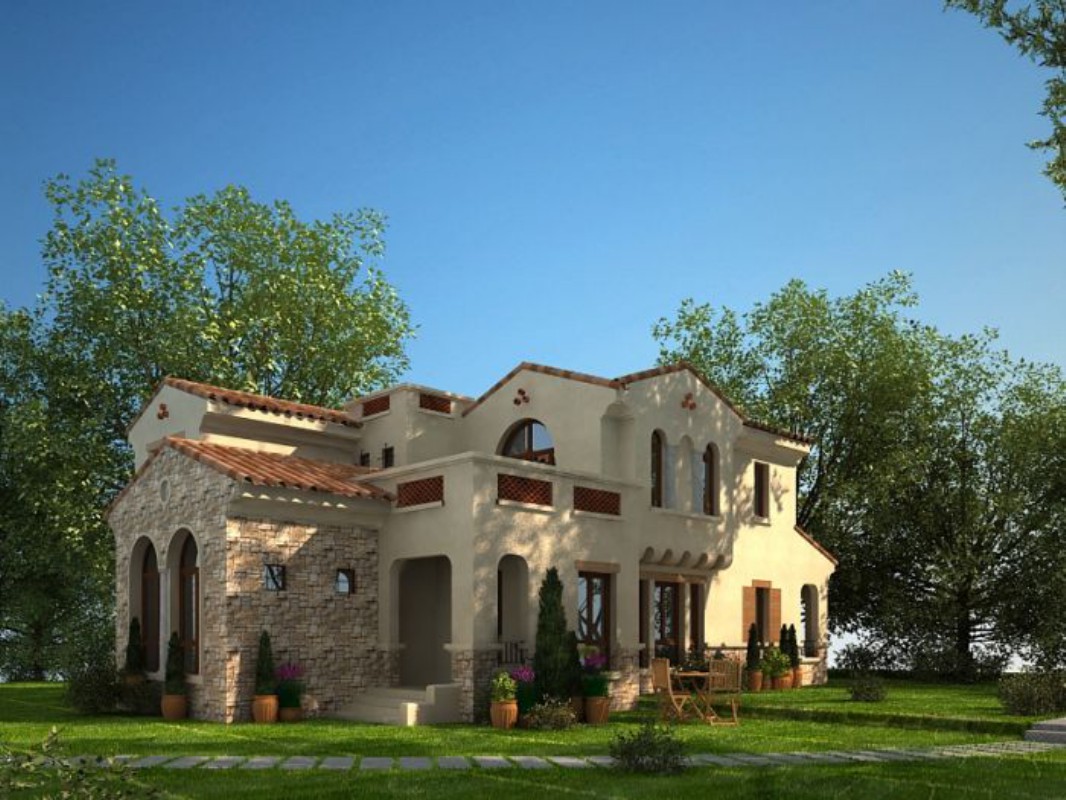
| Finca | Typically refers to a country house with a large plot of land, which might include an orchard or olive grove. A popular style is the Spanish two-and-a-half-story villa. | Those who love country living, value privacy and space, and are willing to get their hands dirty with upkeep. |
| Cortijo | A traditional, large farmhouse unique to the Andalusia region, often featuring grand architecture and a central courtyard. | Ideal for large families or investors looking to convert it into a boutique rural hotel. |
| Chalet / Villa | A modern, detached house, usually located in a residential area on the outskirts of a city, with modern amenities. | Families seeking a convenient, modern lifestyle, for use as a holiday home or for retirement. |
Creating an Authentic ‘Mediterranean Style’
True Mediterranean style is more than just a simple blue-and-white color scheme. Its essence lies in materials and the play of light. For instance, the exterior walls should be finished with traditional lime plaster, which gives them a soft, beautiful texture in the sunlight. Terracotta tiles are the best choice for interior floors, as they are cool in the summer and warm in the winter. Exposed wooden beams, a cool inner courtyard (patio), and climbing plants on the walls, similar to what you might see in various Spanish villa layouts, are all essential elements.
A Few Tips from Someone Who’s Been There
Finally, a few practical and very important points. First, when buying a pre-owned property, especially an old one, be sure to hire an architect to inspect the building’s structure and legal status, ensuring it has a certificate of occupancy (cédula de habitabilidad). Second, if you’re not an EU citizen, you’ll need an NIE number for almost all paperwork, so make that your top priority. Lastly, always set aside a sufficient budget for maintenance
! The plumbing, electrical systems, and roof of an old Spanish chalet
can be major potential expenses. Don’t spend all your money on the purchase price, or you’ll face major headaches after moving in.
What interesting or challenging experiences have you had while house-hunting in Spain? Or is there a particular region you’re more interested in? Feel free to share and discuss in the comments below!
