Friends who have just moved to Spain often ask me: is it better to buy a large villa, or is a city-center apartment more convenient? There’s really no one-size-fits-all answer; it completely depends on your personal needs and lifestyle. I’ve been house-hunting myself recently, so I’ve put together some of my thoughts and experiences to share. Let’s discuss it, and hopefully, it can serve as a reference for others.
Lifestyle and Space: Making the Choice
This is probably the first thing to consider. If you’re a family with kids and pets, then a Chalet—a type of Spanish luxury villa—with a garden and maybe even a pool is an absolute dream. You can have barbecues on weekends, the kids have space to play, and the privacy is excellent. But the downsides are also obvious. Chalets are usually located in towns on the city’s outskirts, leading to longer commutes. The nearby amenities might not be as convenient as in the city center, unlike with some traditional Spanish houses.
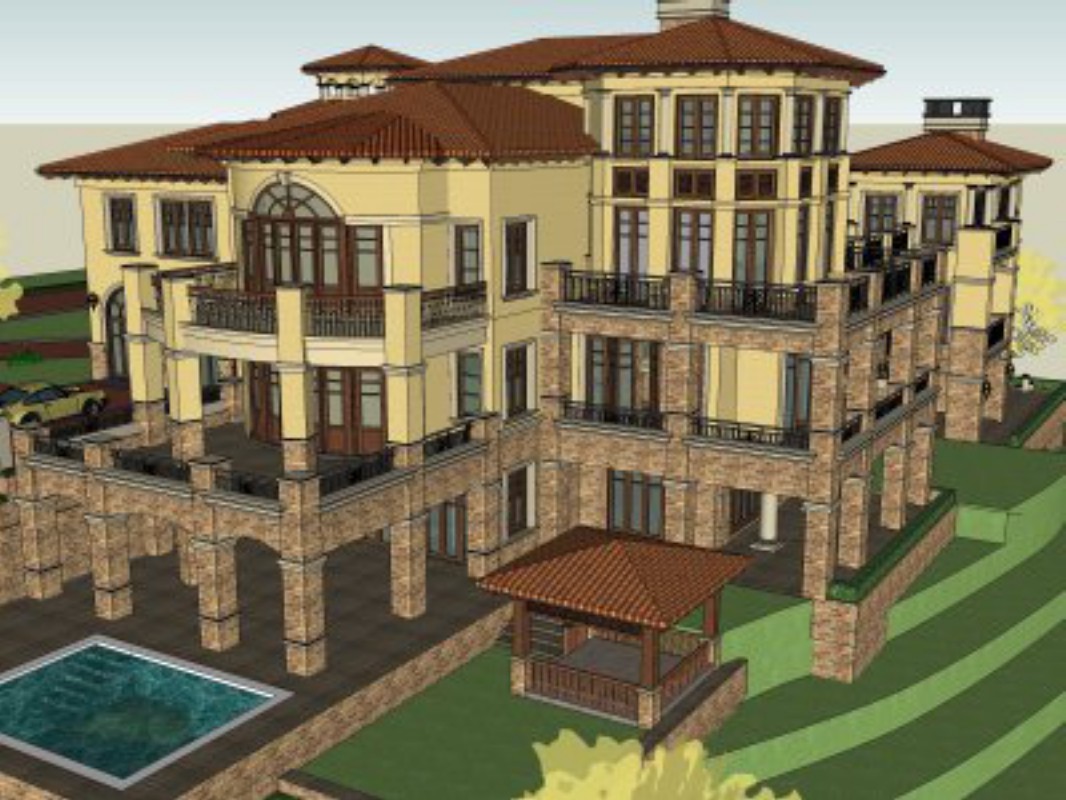
In contrast, the main advantage of a Piso (apartment) is convenience. Living in the city center or a well-connected area, you have supermarkets, restaurants, and metro stations right at your doorstep, making life incredibly easy. Many new apartment complexes now also offer shared facilities like swimming pools and gyms. The drawbacks are the relatively smaller space, potential noise from neighbors, and the lack of that ‘sense of ownership’ you get with a detached house.
Cost and Maintenance: A Realistic Look
Beyond the purchase price, ownership costs are something you must calculate carefully. I’ve made a simple comparison table for a clear overview:
| Item | Chalet (Villa) | Piso (Apartment) |
|---|
| Total Purchase Price | Cheaper in the suburbs, but the large size results in a higher total price | High price per square meter in the city center, but smaller size keeps the total price manageable |
| Community Fees | Usually none for detached villas; a small fee for townhouses | Mandatory |
| Maintenance Costs | Very high. You’re responsible for the garden, pool, roof, exterior walls, etc. | Lower, as major repairs are covered by the community fund |
| Utility Bills | Higher due to larger size, garden, and pool | Relatively fixed and lower |
In short, a Chalet involves both a significant one-time investment and ongoing expenses; you don’t just have to afford to buy it, you have to afford to maintain it. The ownership costs for a Piso, on the other hand, are much clearer and more predictable. Don’t underestimate the monthly community fees (Comunidad), which can range from tens to hundreds of euros. Be sure to ask about them beforehand. I once looked at a property where the Comunidad was over €300 a month, which was an instant deal-breaker for me.
Differences from an Investment Perspective
From an investment and rental perspective, a city-center Piso is always a solid asset. Whether you’re long-term renting to professionals or students, demand is consistently high and vacancy rates are low. The rental market for Chalets is a bit smaller, unless it’s in an affluent area of Madrid or Barcelona, or in a tourist destination like the Costa del Sol. In those cases, renting it out as a short-term holiday home can be very popular and potentially more profitable, but it also requires more hands-on management.
There’s no definitive right or wrong, only what’s best for you. Do you prefer the tranquility of weekend barbecues in your own garden, or the urban buzz of having Tapas bars just downstairs? The answer to this question lies in your own lifestyle. Feel free to share your own opinions or any interesting stories from your house-hunting adventures! By the way, does anyone know about the Chalets in the Pozuelo area, north of Madrid? I’m curious about the luxury Spanish villas there.
