After living in Spain for many years, I’ve always had a dream of a life in the countryside: owning a piece of land and building my own little white-walled, red-roofed villa. After a long and winding journey, I’ve finally turned this dream into reality. I’m starting this post to share my experience on the cost of building a custom villa for friends who have the same idea, and also as a personal record.
Step 1: Buying Land - Not All Land is Buildable!
This is absolutely the most important step and where the most pitfalls lie. In Spain, land is mainly divided into two types: Suelo Urbano (urban land) and Suelo Rústico (rustic/rural land). With Suelo Urbano, you can generally apply for a building permit right away, but it’s expensive. The vast, picturesque countryside we dream of is usually Suelo Rústico. This type of land is cheaper, but most of it is not permitted for new residential construction, unless it meets very strict conditions set by the local government. Before buying, you absolutely must have a lawyer and the technical staff at the town hall (Ayuntamiento) confirm the land’s Calificación urbanística (zoning classification) to ensure it’s buildable before you pay!
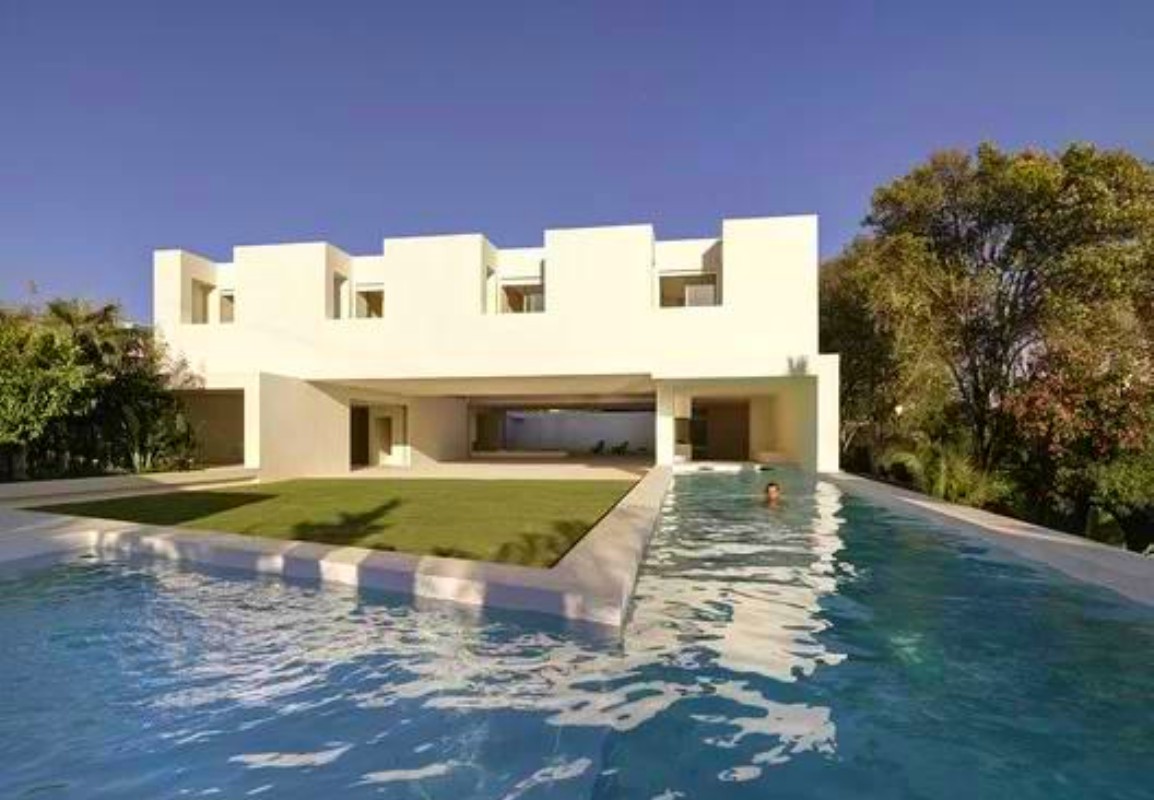
Step 2: Finding the Right People - Architect and Construction Team
Once the land is secured, it’s time to assemble your ‘dream team.’ You’ll need an architect (Arquitecto) to create the designs and submit the project proposal. You also legally require a technical architect (Aparejador or Arquitecto Técnico) to oversee the construction quality and safety. As for the construction crew, it’s wise to get quotes from several companies. Check out their previous projects, like these self-built villas in Spain, and remember that their reputation is key.
The Matter of Budgeting
Building a house can be a bottomless pit financially, so your budget must be detailed. Prices vary greatly between autonomous communities. Here’s a rough breakdown of costs, with more details on self-built villas in Spain:
| Item | Estimated Cost |
|---|
| Land Purchase | 20% - 30% |
| Architect/Technical Fees | 8% - 12% |
| Municipal Permits & Taxes | 4% - 7% |
| Construction | 50% - 60% |
| Others | 1% - 2% |
Remember, it’s quite normal for the final cost to exceed the budget by 10%-15%, so be sure to have a contingency fund.
Step 3: The Long Wait - Applying for the Permit
Once the plans and project proposal are ready, your architect will submit the application to the town hall to obtain the most crucial document: the Licencia de Obra (Building Permit). When it comes to Spanish bureaucracy… well, you know how it is. This process can take a few months at best, or even a year or two at worst. Getting it done in three months is basically wishful thinking. You can only officially start construction after receiving the permit. This period is a true test of patience, so it’s best to take it in stride.
Building your own home in Spain is a very complex, time-consuming, and demanding process. But the sense of accomplishment you feel when you see your dream home turn from a blueprint into reality is unparalleled. I hope my sharing has been helpful. If you have any questions, feel free to leave a comment below for discussion! Wishing you all move into your Dream House soon
!
