When I first came to Spain, the mention of houses here would conjure up an image of a small villa with white walls and red tiles under a blue sky, bougainvillea by the door, and a swimming pool in the yard. After living here for a while, I realized there’s so much more to this simple impression. Today, let’s have a casual chat about Spanish-style villas as I see them—they’re not just empty shells, but an embodiment of a philosophy of life.
Core Elements: A Fusion of Climate and Wisdom
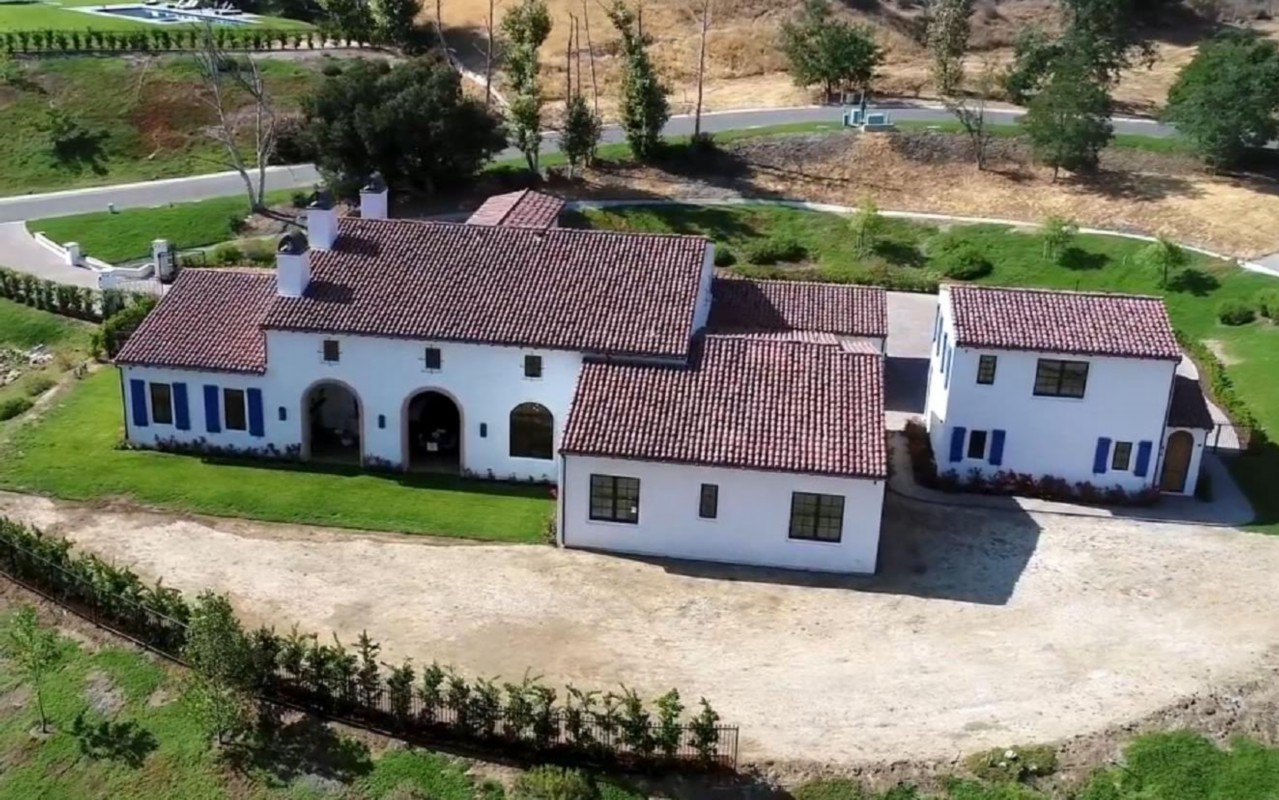
The most classic combination for a Spanish villa is undoubtedly “white walls and red tiles.” The extensive whitewashed walls primarily serve to reflect the intense southern sun, keeping the interior cool—a piece of wisdom inherited from the ancient Romans and Moors. The curved terracotta roof tiles are not only beautiful but their shape also aids in ventilation and drainage. Another key design element is the courtyard (patio), especially in the Andalusia region. It’s not just the center of family life but also a micro-ecosystem that gathers cool air and insulates the home from the heat outside.
Regional Differences: Architecture as an Expression of Local Culture
Spain is a vast country with significant climate differences between the north and south, so villa styles vary greatly and are by no means uniform. Broadly speaking, they can be categorized into several main types:
| Region | Typical Style | Key Features |
|---|
| Andalusia | Cortijo/Carmen | White exterior walls, central courtyard, Moorish arches, decorative tiles |
| Catalonia | Masía | Stone construction, solid and rustic, south-facing arched main door, defensive character |
| Galicia/North | Pazo/Caserío | Granite walls, slate tile roof, often with towers and a coat of arms |
You see, from the light and airy styles of the south to the solid, robust designs of the north, the architecture is a direct reflection of the local climate and history. The idea that all Spanish architecture is the same is just too simplistic.
A Blend of Materials and Nature
Spanish architecture places a strong emphasis on using local, natural materials. Warm terracotta floor tiles, rugged wooden beams, hand-forged iron railings, and the ever-present stone, along with thoughtful architectural fittings, all contribute to a rustic and warm atmosphere. The buildings themselves always strive to blend with the surrounding environment, blurring the lines between indoors and outdoors through courtyards, porches, or terraces, inviting sunlight and fresh air into daily life.
Modern Interpretations and the Rebirth of Old Houses
Many newly built villas today simplify and innovate upon traditional styles, for instance, by incorporating larger floor-to-ceiling windows and open-plan layouts. However, the core principle of focusing on light and emphasizing outdoor living spaces remains unchanged. I personally have a great appreciation for homes converted from old Fincas or Masías. They preserve their time-worn structural beauty while integrating the comforts and conveniences of modern life. Living in one feels like having a dialogue with history.
After all this talk, I’m curious—which style of Spanish house is your favorite? Have you ever visited a particularly stunning villa, or do you have any interesting stories about renovating an old house yourself? Feel free to share in the comments below!
