I just bought a plot of land on the outskirts of Madrid to build a small chalet, and I’ve been spending a lot of time at building supply stores lately. I’ve discovered there are quite a few nuances to Spanish villa architecture. It’s not just about the main structure; the seemingly insignificant architectural accessories are what truly define a house’s final character and its authentic “Spanish feel.” I’m starting this post to share what I’ve learned, and I welcome any advice from experienced folks.
The Soul of the Roof: Roof Tiles
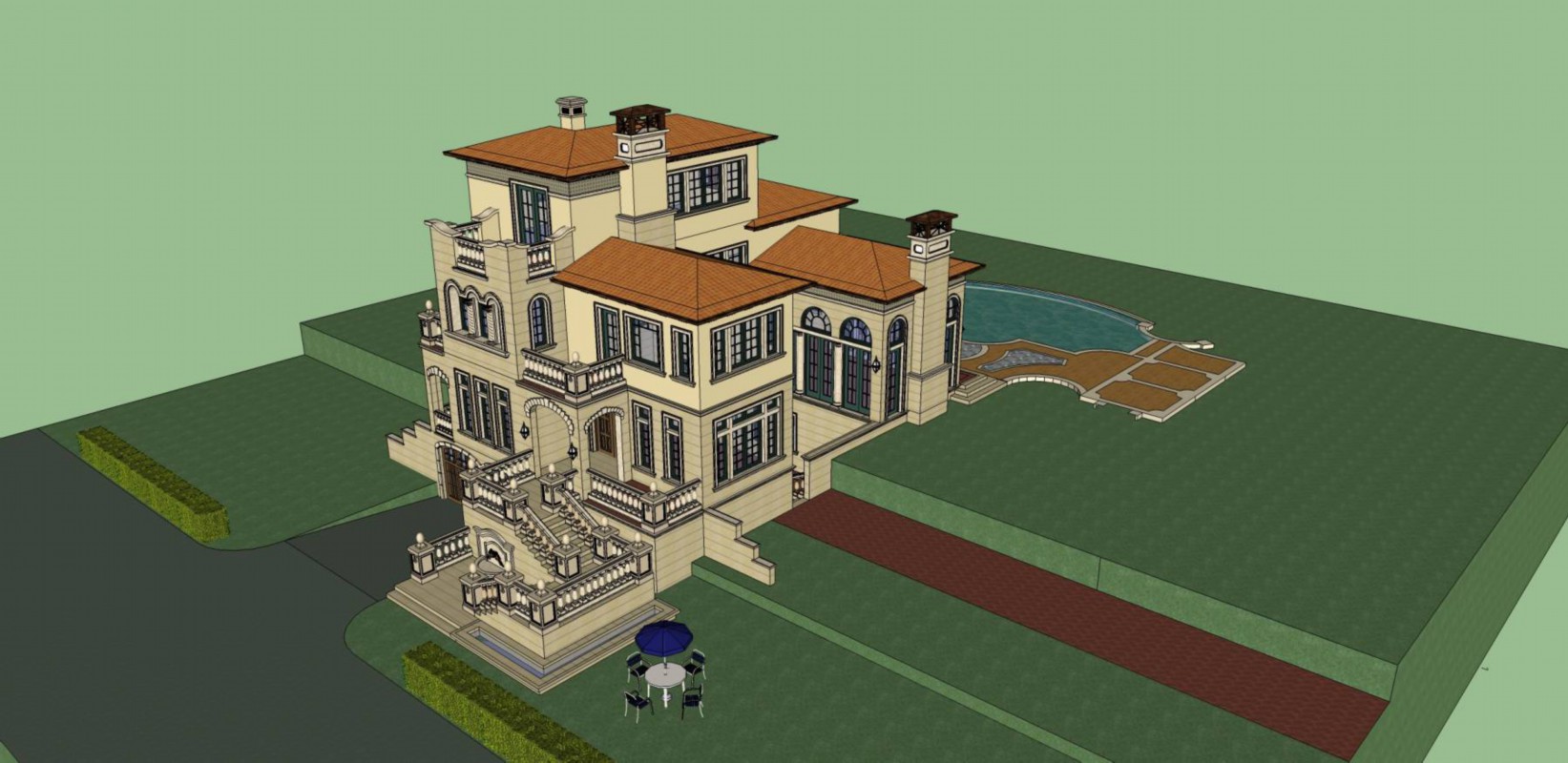
When you think of Spanish architecture, the first thing that comes to mind is the iconic red roof. These curved barrel tiles, known as Teja Curva, are the essence of the Mediterranean style. They come in more than just the traditional terracotta red; there are also aged finishes, dark brown, and other options. The way they are laid in an interlocking pattern creates beautiful light and shadow effects, and they offer excellent insulation and drainage. While more modern flat tiles are available, for an authentic feel, Teja Curva is the absolute top choice. The price difference mainly comes down to the brand and firing process—you get what you pay for.
The Finishing Touches for Windows and Walls: Ironwork & Tiles
These two elements are especially common in the Andalusia region and are practically a hallmark of Spanish homes.
Wrought Iron Grilles and Balcony Railings
Black wrought iron window grilles (rejas) are not just for security; they are a form of decorative art. They can be incredibly intricate and exquisite, exuding a classical elegance. The same goes for wrought iron balcony railings. Commissioning a custom-made, handcrafted ironwork set, though pricey, will definitely make your house stand out on the block. I even saw a neighbor’s house with their family crest incorporated into the ironwork of the main gate—very distinctive.
Decorative Wall Tiles
Colorful ceramic tiles (azulejos) are another major highlight of Spanish architecture. They can be used to decorate wall corners, stair risers, or even be embedded into an exterior wall like a painting. The most charming use is for house numbers and street names made from tiles, which adds a lively touch. Choosing a few patterns you love can easily create a unique focal point.
Bridging Indoors and Out: Doors, Windows, and Flooring
Spanish villas place a strong emphasis on the flow between indoor and outdoor spaces. A heavy, solid wood main door provides a sense of stability and security, and when paired with vintage brass or iron handles, it’s full of character. For windows, in addition to glass panes, many homes add a layer of wooden shutters (persianas), which are very practical for blocking out the intense summer sun. When it comes to flooring, if you’re aiming for a rustic style, consider using terracotta tiles for outdoor terraces and some indoor areas. Their rustic texture is something regular ceramic tiles just can’t match.
Here is a simple comparison of indoor flooring materials I’ve put together for your reference:
| Material | Pros | Cons | Style |
|---|
| Terracotta | Rustic, natural, cool in summer | Requires regular maintenance, porous | Rustic, Mediterranean |
| Terrazzo | Durable, lower cost | Patterns can be dated | Retro, Traditional |
| Hardwood | Warm, comfortable, high-end feel | Expensive, susceptible to moisture | Modern, Nordic |
These are just some of my personal observations, and I’m sure there are many details I’ve missed, like the drip lines on the eaves, the stonework on the corners, and so on. What pitfalls have you encountered during your renovations or building projects? Or what are some of your favorite choices? Feel free to share and discuss in the comments below!
