I’ve finally finished renovating my patio, which I had neglected for a long time. It took almost a month, and I feel the most challenging part was choosing and laying the pavers. I made quite a few mistakes but also learned a lot. So today, I’m starting this thread to share my experience with those who are planning or currently renovating their patios, specifically on how to choose the right garden pavers in Spain.
How to Choose Common Garden Paver Materials?
The first step in choosing pavers is to look at the material. In the Spanish market, there are several common types of outdoor flooring, each with its own pros and cons:
Terracotta Tiles (Barro Cocido): These are the quintessential tiles for that southern Spanish, Andalusian vibe. They have a warm color, are breathable, and don’t get scorching hot under the summer sun. The downside is that they are quite ‘delicate’ and require regular waterproofing and stain-proofing treatments; otherwise, they can easily grow moss or get stained. They are perfect for patios or walkways but not recommended for driveway areas.
Concrete Pavers: This is the most practical and cost-effective option. They are very durable and wear-resistant, with a huge variety of styles and colors available, including imitation stone and wood finishes. The sheer number of choices can be overwhelming! They are especially suitable for areas that need to support vehicles or heavy furniture.
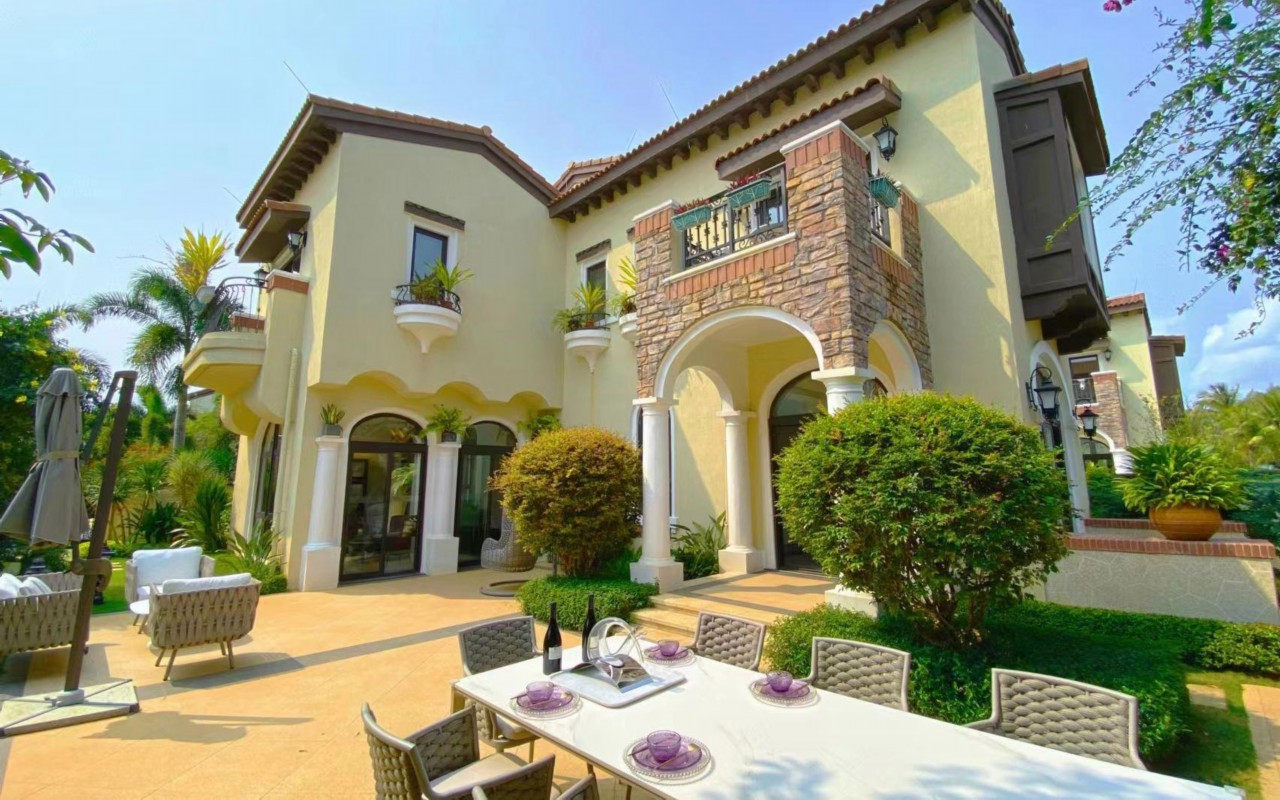
Natural Stone: Such as slate, granite, etc. The advantage is that each piece has a unique texture, offering a high-end, beautiful finish. Of course, the disadvantage is also obvious: it’s expensive! Furthermore, the installation requirements for Spanish villa gardens using this material are quite demanding.
Where to Buy and Budget Reference
Once you’ve decided on the material, the next questions are where to buy it and how much to spend. Large DIY stores like Leroy Merlin and Bricomart offer a wide variety and transparent pricing, which is great for browsing and choosing yourself. However, if you need a large quantity for your Andalusian patio, it’s worth checking out a local almacén de construcción (building materials warehouse), as you might get a better price. I’ve made a simple comparison table below. Prices are approximate and can vary by brand and region:
| Material Type | Price per m² | Pros | Cons |
|---|
| Terracotta Tiles | 15€ - 40€ | Rustic style, beautiful | Needs maintenance, fragile |
| Concrete Pavers | 10€ - 35€ | Durable, many styles, affordable | Relatively plain texture |
| Natural Stone | 40€ - 100€+ | High-end, unique | Expensive, complex installation |
It’s important to note that this is just the material cost. If you hire someone to do the installation, the labor cost is also a significant expense. The hourly rate for an albañil (builder/mason) isn’t cheap these days, so make sure to ask for a presupuesto (quote) in advance.
Should you DIY or hire a professional? If your [Spanish garden] is small and the ground is relatively level, and you’re handy, laying concrete pavers yourself is definitely doable—there are plenty of online tutorials. However, for more technical tasks like managing drainage, leveling the ground, or installing natural stone, it’s best to hire a professional. Getting it right the first time will save you a lot of trouble down the road.
I hope my experience is helpful to you all! What kind of pavers did you use for your garden? Did you run into any issues, or do you have any good professionals to recommend? Feel free to leave a comment below and share your thoughts!
