When I first came to Spain, I kept hearing people talk about ‘Finca,’ and I initially thought it was some kind of brand. I later learned it’s the Spanish term for a country house or rural estate, usually one that comes with a plot of land, big or small. Having seen many over the years, I feel this is the Mediterranean lifestyle many people dream of—sunshine, olive trees, and absolute tranquility. But owning a Finca is a completely different ball game from buying a ‘piso’ (apartment) in the city.
Life in a Finca has a totally different rhythm. You wake up to birdsong, step outside into your own orchard or garden, spend summers reading by the pool, and look up at a sky full of stars at night. Sounds idyllic, right? Popular areas for Fincas include the surroundings of the white villages in southern Andalusia or the inland areas of the Costa del Azahar in the Valencia region. Many Fincas there retain their original stone walls and wooden beams, giving them a lot of character. However, this lifestyle also means you can’t live without a car. A trip to the nearest Mercadona might take a ten-minute drive or more, which is a common reality for those with Mediterranean villas in Spain.
Here’s what a typical Finca looks like. Doesn’t it have a great feel?
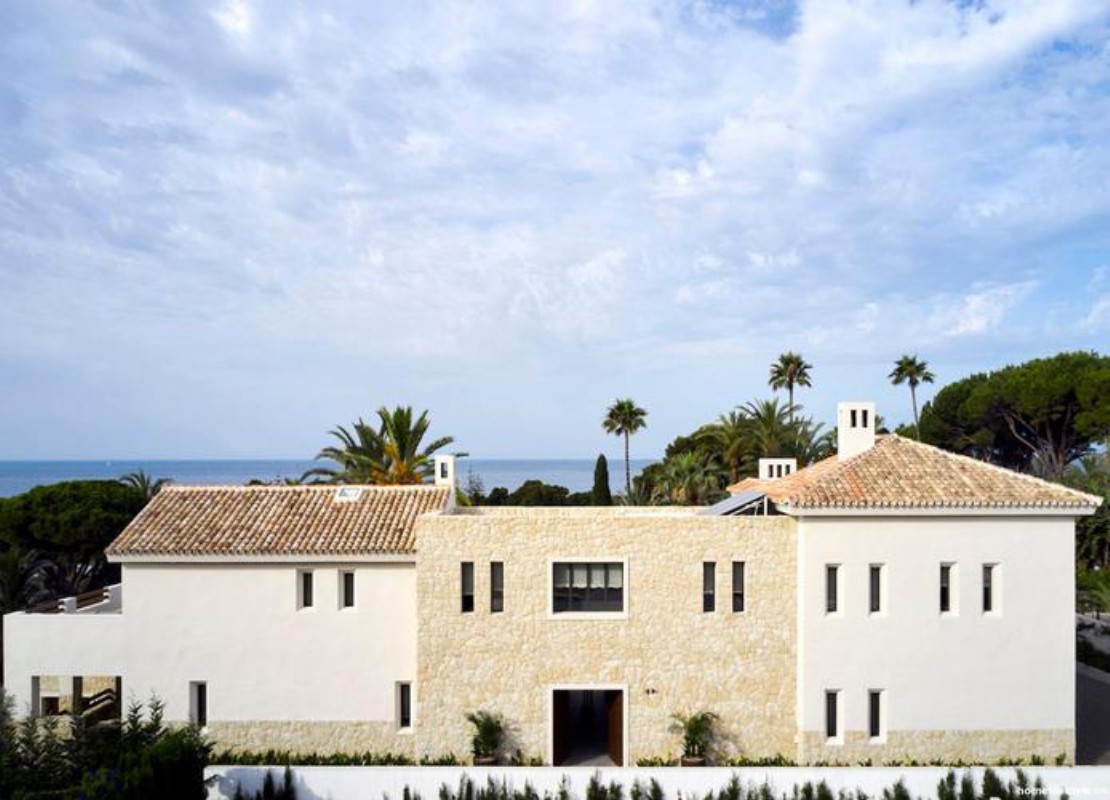
When it comes to actually buying a Finca, there’s a lot to learn. The most crucial aspect is the land classification. You must distinguish between suelo rústico (rural land) and suelo urbano (urban land). Many old Fincas are on rústico land, where extensions or renovations are subject to very strict restrictions and may not even be permitted. Additionally, you have to sort out details like the water supply and sewage system, or you’ll face a lot of trouble after moving in.
Beyond the purchase price, ongoing costs are a major factor. The annual IBI (property tax) might be low in the countryside, but the maintenance of the garden, pool, and the house itself are continuous expenses. Especially with old houses, there’s always something to fix… While that might be a slight exaggeration, you definitely need to be prepared, both mentally and financially. I’ve put together a simple pros and cons comparison for Mediterranean villas in Spain for your reference:
Pros and Cons of Owning a Finca
| Pros | Cons |
|---|
| High degree of privacy and space | Inconvenient commute, car-dependent |
| Close to nature, beautiful surroundings | High maintenance costs, lots of chores |
| Healthy and peaceful lifestyle | House and facilities can be old |
| Land as an asset with potential for appreciation | Less access to nearby community services |
A Finca represents a choice, an attitude of returning to a more pastoral way of life. It’s not for everyone, especially those accustomed to the conveniences of city living. But if, like those in the Yue Xian Fu villa, you truly love nature and enjoy the process of tending to your own home and land, then owning a Finca is a truly unique experience. Are there any members here who also live in a Finca, or are considering one? Let’s share our experiences and the pitfalls we’ve encountered!
