Hi everyone, we’ve finally finished renovating our Chalet, and what a relief! It’s been a nearly six-month journey from getting the keys to completion, and I feel like I’ve become a semi-expert. I’ve seen some folks on the forum asking about this, so I wanted to start a thread to share our insights and the pitfalls we encountered, especially when considering the prices of villas in Spain. Hopefully, it can be a useful reference for others planning to renovate.
Pre-planning: The Permit is Step One
In Spain, the first major task for any renovation is securing a building permit. Don’t ever think you can skip it for minor jobs; if a neighbor reports you or the city council finds out, the fines can be a huge headache. Simply put, there are two types of permits: a minor works permit for things like painting walls or replacing flooring, and a major works permit. If you’re altering the structure, exterior walls, or building an extension, you must apply for the latter, which requires an architect’s drawings. We knocked down a kitchen wall, so we had to apply for an Obra Mayor. The whole process, including planning details like the style of our garden gates in Spain, took a lot of time. Just waiting for the permit took over a month, so be sure to factor that time cost into your plans!
Garden Renovation Tips
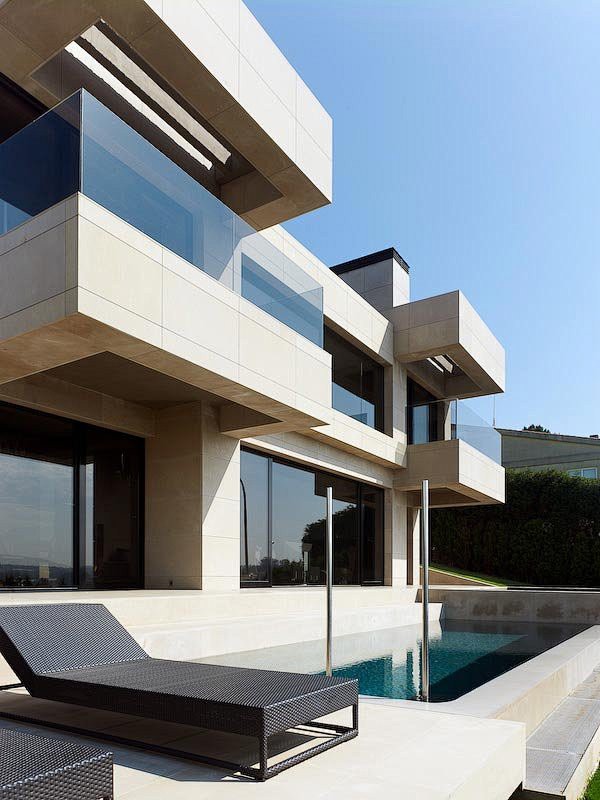
The Spanish sun is too precious to waste, so the garden was a top priority for our renovation. Our yard isn’t huge, and our main goals were low maintenance and a relaxing space. Considering the southern climate, we chose drought-resistant plants like lavender and rosemary. I highly recommend installing an automatic irrigation system—it’s an absolute lifesaver for the lazy. We decided against a real lawn—it’s too much trouble to maintain—and instead opted to pave half the area with outdoor anti-corrosion tiles and lay high-quality artificial turf on the other half. It’s great for the kids to play on and easy to clean. Add an outdoor sofa and a barbecue, and you’ve got the perfect setup for summer evenings.
Interior Renovation and Budget Control
Inside, our biggest expenses were the kitchen and bathrooms. When looking for a construction team, I suggest getting quotes from at least three different companies. Don’t just look at the total price on the quote; you must examine the itemized list. The brand of materials used, labor costs—everything should be clearly stated. Otherwise, you’ll likely face extra charges later. We agonized over the tiles for a long time. For those looking into villas with gardens in Spain, here’s a simple comparison to give you an idea:
| Tile Type | Pros | Cons | Approx. Price/m² |
|---|
| Standard Ceramic Tile | Affordable, many styles | Average texture | 15-30€ |
| Wood/Cement Look Tile | Durable, stylish, easy to clean | Slightly more expensive | 25-50€ |
| Natural Stone | High-end, unique | Expensive, requires special care | 60€+ |
In the end, for peace of mind and a better look, we went with large, cement-gray Porcelánico tiles throughout the living room and kitchen. We’re very happy with the result, I truly recommend it!
Renovating in Spain is both physically and mentally demanding, and communication is key. From design and material selection to haggling with the construction team, you have to be hands-on every step of the way. But the sense of accomplishment you feel seeing your home gradually transform into your dream space is irreplaceable. I hope we can exchange more ideas here. If you have any great experiences or questions, feel free to leave a comment below! Wishing everyone the best in creating the home you love
!
