I’ve been looking at villas in Spain lately, especially those near the coast. After browsing for a while, I’m a bit overwhelmed by the huge price range—from just over €200,000 to over ten million euros. So, I wanted to start a thread to share some of my findings and hopefully get the ball rolling on a discussion and hear everyone’s thoughts.
A Quick Look at Prices in Major Areas
Spain has a long coastline, and property prices can vary dramatically from one region to another. I’ve focused on a few popular areas and put together a table based on my research into buying a Spanish villa. The data is estimated from listings on major property websites, so it might not be perfectly accurate, but it serves as a good reference:
| Region | Representative City | Average Villa Price Range | Characteristics |
|---|
| Costa del Sol | Marbella | €800k - €5M+ | Luxurious, well-developed amenities, a hotspot for celebrities and the wealthy |
| Costa Blanca | Alicante | €300k - €800k | Great value for money, pleasant climate, a favorite for British and Northern European buyers |
| Costa Brava | Roses | €500k - €1.5M | Stunning scenery, close to France, strong artistic atmosphere |
| Balearic Islands | Mallorca | €1M - €8M+ | Top-tier island holiday destination, prices hold their value well |
As the table shows, if you’re working with a limited budget but still want to enjoy the sun and sand after comparing Spanish villas, the Costa Blanca area, including Alicante and Torrevieja, is a real bargain with plenty of options. However, if you’re looking for top quality and a prestigious social scene, Marbella and Mallorca are the obvious choices.
Key Factors That Influence the Price
Beyond regional differences, which are a key part of planning for a Spanish villa, the price of individual properties can also vary significantly. I’ve identified a few core factors: First is the distance to the sea. A villa within walking distance of the beach can cost double that of one a 20-minute drive away. Second is the property’s condition. There’s a huge price gap between a move-in-ready renovated house and an older one that requires significant investment in remodeling. Finally, there are the amenities, such as a private pool, garden size, and community security. For example, a property like the one below, with a pool and a beautiful garden, will certainly not be cheap.
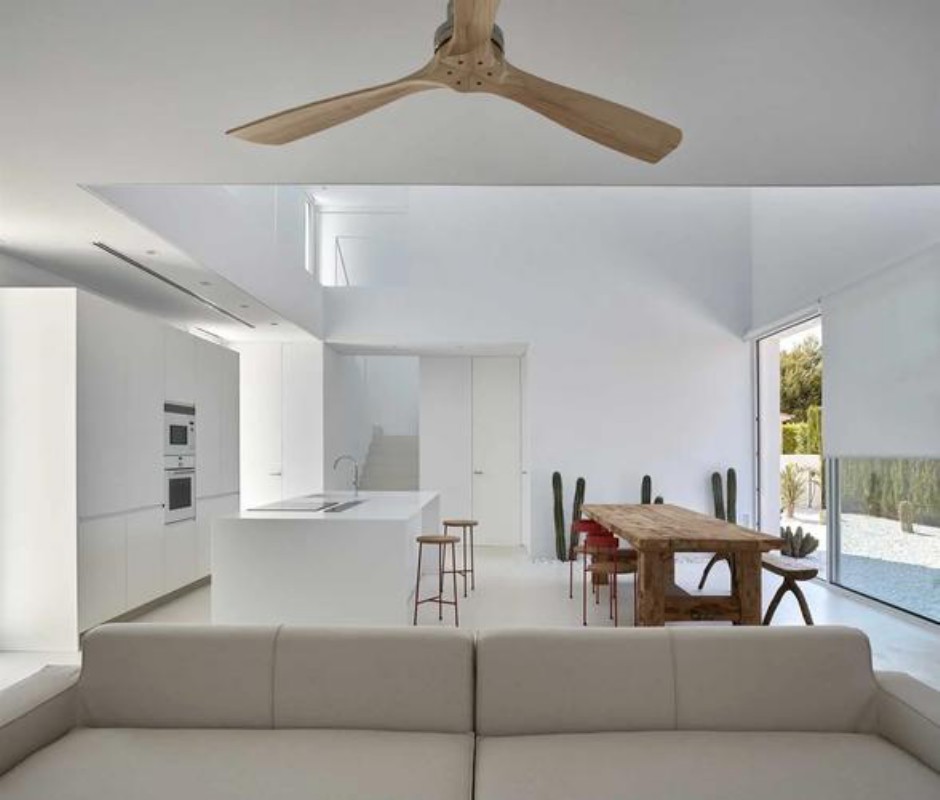
Personally, I feel that buying a resale villa can come with more potential pitfalls, like old plumbing, pool maintenance issues, and so on. I was previously interested in a property listed at €350,000, but an assessment revealed it would need another €50,000 just for repairs and renovations. I got a bit carried away and almost made an offer on the spot, but luckily, I took a step back. That’s why it’s crucial to hire a professional property surveyor for a thorough inspection before buying.
One last thing to remember is the hidden costs involved in the transaction. When buying property in Spain, you need to budget an additional 10%-15% of the property price for various taxes and fees. The main one is the Property Transfer Tax (ITP), which varies from 6% to 10% depending on the autonomous community, plus notary fees, registration fees, lawyer fees, etc. This is a significant amount, so be sure to factor it into your total budget when house hunting. Does anyone have any experience or pitfalls to share? Let’s discuss!
