Lately, I’ve been seeing a lot of posts on forums with headlines like ‘Shocking! Get a Spanish Villa for Just €50,’ and I can’t help but chuckle every time. As someone who has lived in Spain for several years, I’m here to talk about this topic. Is it too good to be true? Or is it just a beautiful trap?
What Exactly Are These “€50 Villas”?
First things first, let’s be clear: this is not a standard real estate transaction. You don’t just walk into a real estate agency, hand over €50, and get the title deeds. These are typically local initiatives launched by remote Spanish villages suffering from severe depopulation, aimed at ‘revitalization.’ What they’re looking for are new residents, not speculators. Therefore, the €50 is more like a symbolic ‘entry ticket’ or a fee for a lottery, with the property itself being practically free—but it comes with extremely strict conditions.
Most of these houses look something like this:
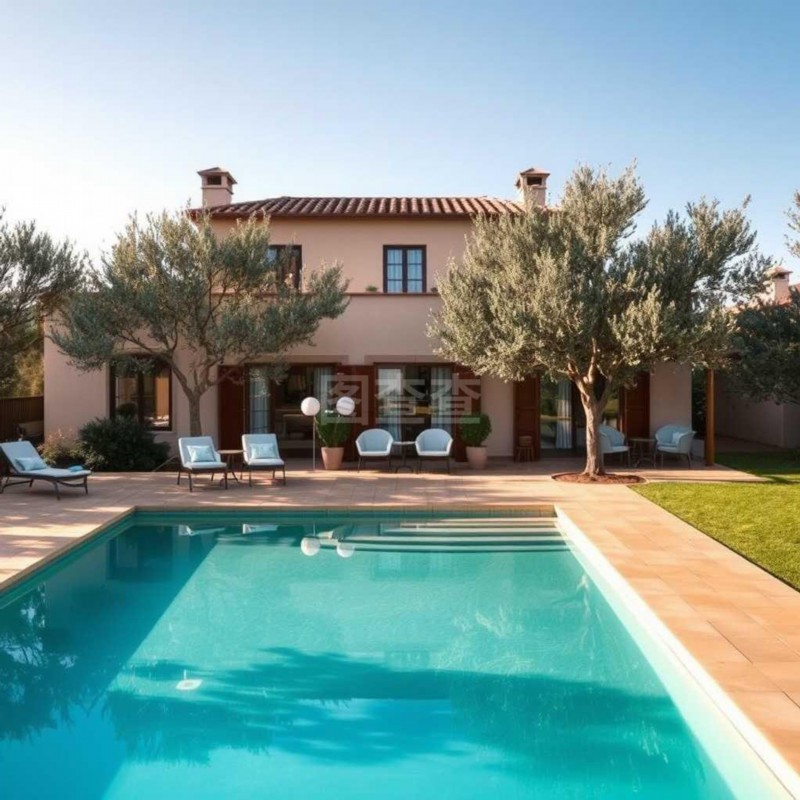
That’s right, many of them are old stone houses in need of a complete overhaul; some €100 villas are even just a structural shell. Once you acquire it, you’re faced with not just renovation issues but a series of ‘obligations.’ For example, you must commit to living in the area for at least 5 to 10 years, complete the renovation within a specified timeframe, and some €200,000 Spanish villa programs even require you to have children or start a small business to boost the local economy. Thinking of buying it as a holiday home to just chill for a few months each year? Forget about it
!
Don’t Forget, Here Are the Real Costs
Aside from the obligations, the financial investment is the real heavyweight. I’ve put together a simple table to show how much you might need to budget beyond that initial €50. This is a different world compared to what you can get with, for example, a €3.5 million Spanish villa
:
| Item | Estimated Cost (€) | Notes |
|---|
| House Renovation | 50,000 - 150,000+ | Depends on the state of disrepair; this is the biggest expense |
| Building Permits/Taxes | 3,000 - 8,000 | Varies by region |
| Notary and Registration Fees | 1,000 - 2,500 | Includes lawyer fees, notary fees, etc. |
| Annual Property Tax (IBI) | 100 - 500 | Payable annually, even for old properties |
| Utility Connections (Water, Electricity, Internet) | 500 - 2,000 | Many old houses need new connections |
When you add it all up, the initial investment can easily exceed €100,000. With that amount of money, you could already buy a decent second-hand apartment in some of Spain’s less popular areas.
Spain’s ‘€50 villa’ initiatives should be seen as a kind of ‘startup immigration’ program for rural revitalization, not a real estate investment opportunity. They are suitable for people who genuinely love the Spanish countryside, have some savings, possess practical DIY skills, and are willing to integrate into the local community for the long term. If you’re only attracted by the low price, I urge you to think twice. After all, restoring a home is far more complex than just buying an empty shell. What are your thoughts on this model? If it were you, would you be up for the challenge? Feel free to join the discussion!
