More and more people in the forums are talking about buying property lately, so I thought I’d chime in and share some of my insights on looking at second-hand villas. Who wouldn’t want a home with a yard, a barbecue area, or even a small pool? New builds are great, of course, but they often come with a hefty price tag and limited options. The second-hand market is different—more choices and more flexible pricing, but it can also be quite tricky to navigate.
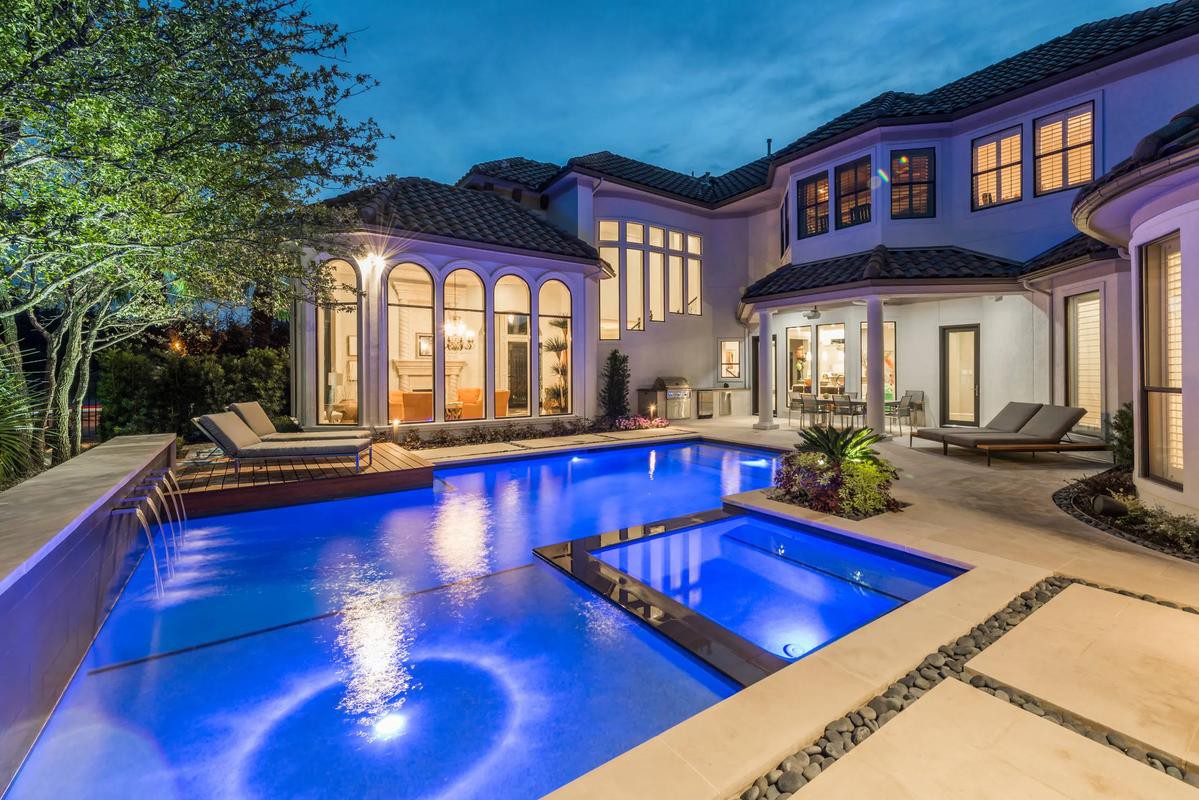
Location is always the number one priority; that’s a universal truth. Should you choose the sunny coast to enjoy the Mediterranean climate, or a suburb of a major city for an easy commute? My advice is, you must visit the property in person at different times of the day. A neighborhood that’s bright and sunny during the day might be pitch-dark at night, like some villas in Cuenca. A quiet street on the weekend could be a major traffic route on weekdays. Neighbors are also important. See who lives around, and check how well the common areas of the community are maintained. These details reflect the future quality of life.
Home Inspection Checklist
The biggest fear with old houses are the hidden problems. The real estate agent will only show you the beautiful decor, but what truly determines your living comfort and future maintenance costs are the fundamentals. I’ve put together a simple table for your reference:
| Inspection Item | Key Points to Check | Spanish Term |
|---|
| Walls and Structure | Look for cracks, signs of water damage, especially in the basement and on the roof | Grietas, Humedad |
| Plumbing and Electrical | Check water pressure, condition of wiring, state of the water heater | Fontanería, Electricidad |
| Doors and Windows | How good is the sealing? Are they double-glazed? | Aislamiento |
| Energy Performance Certificate | Graded from A to G, this directly impacts your winter and summer utility bills | Certificado Energético |
This certificate is very important. A low rating means the house will be cold in the winter and hot in the summer, and your monthly energy bills will be a headache.
Besides the house itself, you also need to pay attention to the “hidden” costs. Many people think the asking price is the total cost, that Purchase Price + Agency Fee = Total Cost, but that’s a big mistake. When buying a second-hand home in Spain, the largest extra expense is the Property Transfer Tax (ITP), which varies by autonomous community from 6% to 10%. On top of that, there are notary fees, property registration fees, bank appraisal fees, and so on. All these miscellaneous costs add up, so you should budget for at least an extra 10%-15% of the property’s price.
Finally, buying a second-hand villa requires both skill and legwork. View many properties, ask lots of questions, and compare your options—don’t rush into a decision. If you find one you’re really serious about, consider hiring a professional architect or a home inspector for a second viewing. Spending a few hundred euros now could save you tens of thousands in future repair costs. I hope everyone’s house-hunting journey goes smoothly! And I welcome others with experience to share their tips and join the discussion!
