Having recently moved to Spain, I’ve been studying the structure of my villa and discovered that its sloped roof is quite a complex subject. It’s not just the defining feature of the Mediterranean style, but also a key factor in our living comfort. I wanted to start a thread to chat about it with everyone, just to get the ball rolling.
When you think of Spanish roofs, the first thing that probably comes to mind is those warm, terracotta tiles, right? These clay-fired tiles, especially the curved ones known as ‘Teja Curva’ or Arabian tiles, are an icon of southern Spain. They’re not just beautiful; they’re also highly breathable, which helps insulate against heat in the summer and retain warmth in the winter, making them perfectly suited to the local climate.
Roof Structure and Function
I’ve noticed that Spanish roofs generally have a gentle slope, unlike the steep roofs found in Northern Europe. After some research, I learned this is mainly because Spain gets little snowfall, so there’s no need for a steep pitch to shed snow like with Spanish roof tiles. The moderate angle is primarily to ensure proper drainage during rainfall and prevent water pooling. A proper sloped roof has several ‘secret weapons’ beneath the tiles: a waterproofing layer and an insulation layer. These are the core components that keep the house warm in winter, cool in summer, and leak-free. I’ve put together a simple comparison chart for reference:
| Roof Material | Pros | Cons |
|---|
| Traditional Terracotta Tiles | Aesthetically pleasing, breathable, good insulation | Heavy, fragile, prone to moss growth |
| Concrete Tiles | Durable, lower cost, variety of colors | Less breathable, heavy |
| Metal Tiles | Lightweight, durable, fast installation | Average thermal and sound insulation, higher cost |
Daily Maintenance Tips
Even the best roof needs maintenance. My neighbor, a kind elderly Spanish gentleman, told me it’s best to inspect the roof before and after the rainy season. The main things to check for are broken or displaced tiles and clogged gutters from fallen leaves. It’s especially important to make time to get on the roof and check after heavy rain or strong winds. If you find moss or blackening on the tiles—an issue that can also affect other outdoor structures like Spanish patio awnings—it’s best to clean it promptly, as it can affect the tile’s lifespan and waterproofing. Oh, and be careful with high-pressure washers; too much pressure can damage the waterproofing layer underneath the tiles.
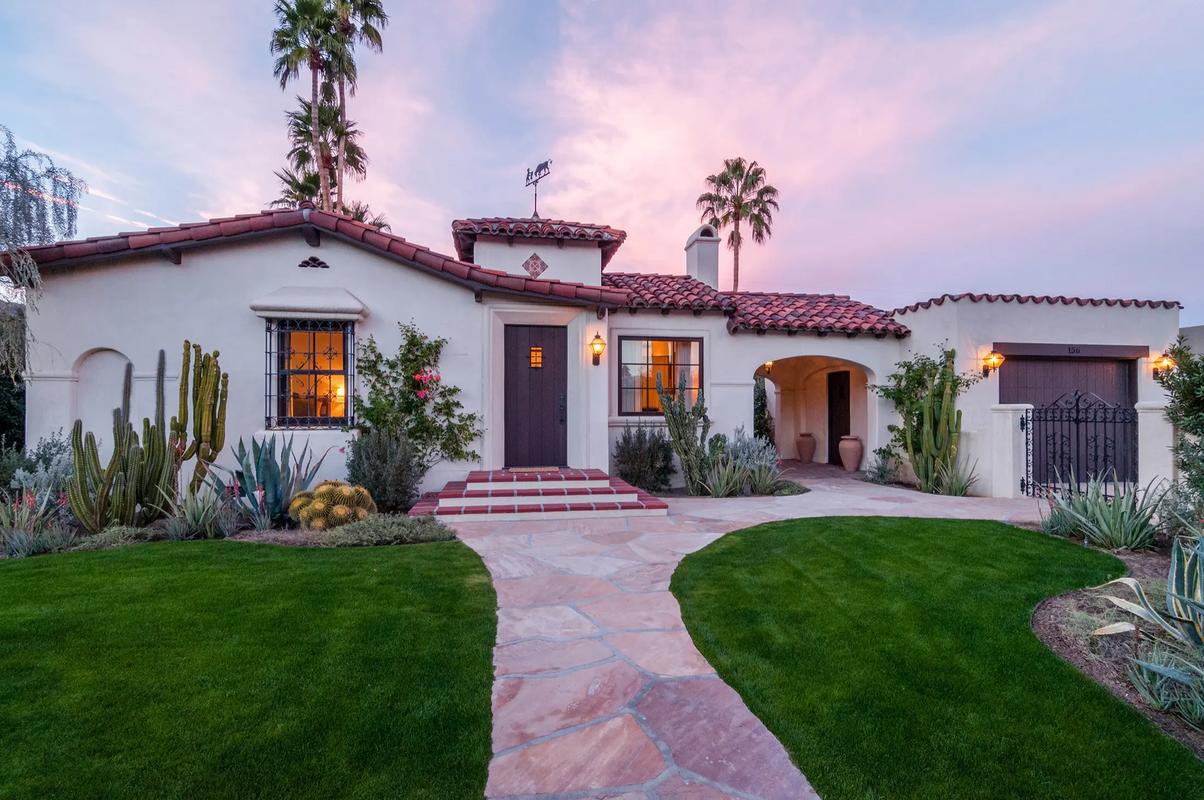
The sloped roof of a Spanish villa is a systematic project that combines both aesthetics and functionality. Every step, from material selection and construction to subsequent maintenance, is crucial. Does anyone have any tips or questions about their own roofs? For example, can anyone recommend a professional moss removal company? Or share any DIY maintenance experiences? Feel free to discuss below! Sharing makes life better
!
