For anyone new to Spain, the iconic red-tiled, white-walled buildings are surely a memorable sight, right? Under the sun, rows of orange-red roofs stretch across the landscape against a backdrop of blue skies and white clouds—the perfect picture of Mediterranean charm. When I first arrived, I saw it all with a tourist’s eyes, thinking, “Wow, so beautiful!” But after living here for a while, especially after getting involved with properties myself, I’ve come to understand more about Spanish pitched roofs and realize that these small tiles hold a great deal of wisdom in adapting to nature.
As many of you know, Spain’s climate means scorching hot summers with intense sun, followed by concentrated rainfall in autumn and winter. The design of these roofs is primarily a response to this climate. The most common type we see, the curved tile known as Teja árabe (Arabian tile), is laid in an interlocking pattern of concave and convex pieces. This creates an air channel in between, a clever design that facilitates air circulation under the roof in the summer, providing insulation and cooling to prevent the interior from turning into an oven. Come the rainy season, these curved tiles efficiently channel rainwater away, preventing leaks and water damage.
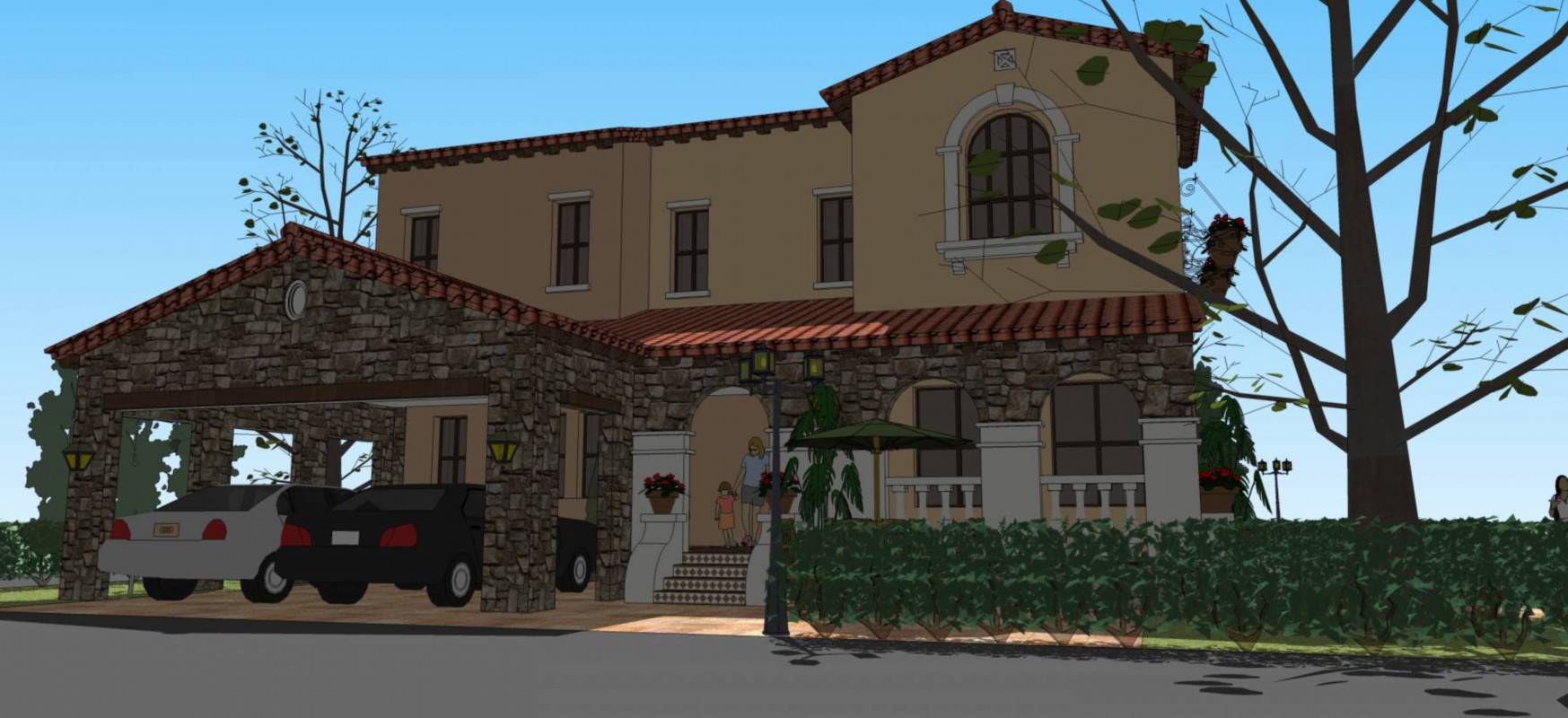
Traditional roof tiles are mostly made from fired clay, a material that is inherently durable and has excellent insulating properties. Over time, exposure to the sun and rain deepens the tiles’ color, giving them a natural, aged beauty—a patina that modern materials, which simply fade and deteriorate, can’t replicate. That’s why for many old houses, similar to considerations for a Spanish courtyard pergola, the roofs may look old but remain functionally sound. I used to think old houses were bound to have problems, but I’ve since learned that with proper maintenance, these tiled roofs can last for decades, or even a century.
A Quick Comparison of Roof Tile Types
Spanish roof tiles aren’t limited to just the Teja árabe. Depending on the region and architectural style, other types are used, such as more modern flat tiles or the slate tiles seen in northern regions. They each have their pros and cons, which I’ve summarized below:
| Type | Pros | Cons |
|---|
| Arabian Tile (Teja árabe) | Classic aesthetic, excellent insulation and drainage | More complex to lay, individual tiles are heavy |
| Flat Tile | Modern, minimalist style; relatively easy to install | Drainage is slightly inferior to curved tiles |
| Mixed Tile (Teja mixta) | Combines the advantages of both, high installation efficiency | Lacks the traditional charm of Arabian tiles |
In summary, Spanish roof tiles are more than just a “hat” for a building; they are practical works of art that adapt to the local environment and blend history with aesthetics. They define the skyline of the Mediterranean coast and embody the relaxed, comfortable lifestyle of the local people. Do any of you have maintenance tips for your own roof tiles? Or have you seen any particularly interesting roof designs? Feel free to share and discuss in the comments below!
