I was recently house-hunting with a friend and noticed that many people are particularly drawn to villas with towers that look like small castles. The first impression is indeed striking—it makes you feel like the lord of a manor instantly. But upon closer inspection, you’ll find there’s a lot more to the exterior design of this style. It’s not as simple as just ‘looking like a castle’. Today, I’d like to casually chat about some of the exterior features I’ve observed.
The Soul of the Structure: Stone and Walls
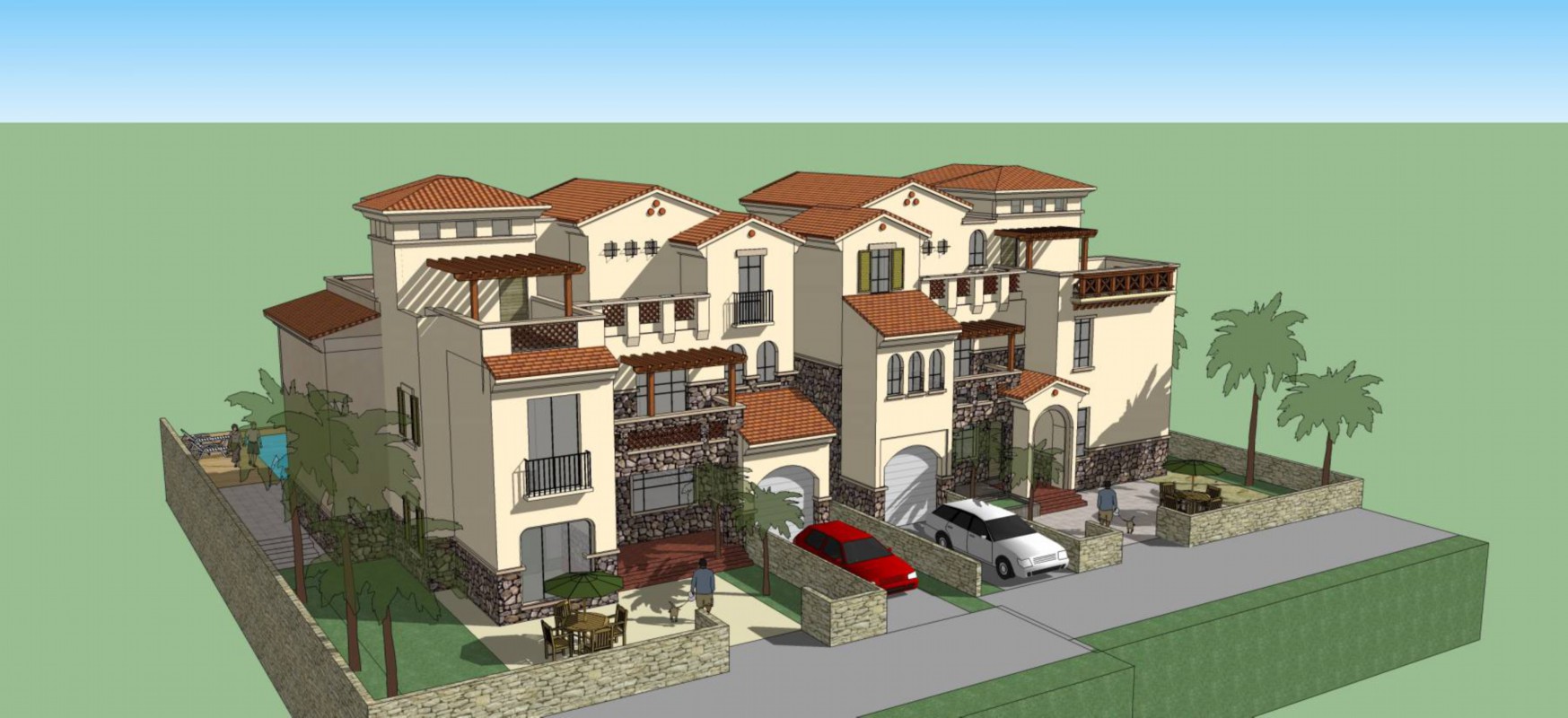
When you think of a castle, the first thing that comes to mind is stone walls. This is the core element. Many castle villas in Spain use locally quarried stone, and the color and texture can vary greatly depending on the region. Some Spanish castle villas aim for a rough, unpolished rustic feel, with visible gaps between the stones. On the other hand, other unique Spanish properties feature finely cut and polished stones, resulting in a smoother, more refined and modern look. In terms of maintenance, natural stone is very durable, but you need to pay attention to the aging of the pointing, otherwise, you might have to deal with water seepage during the rainy season.
The Finishing Touch: Towers and Battlements
A round or square tower is definitely the most eye-catching part of a castle villa. Nowadays, these towers have no defensive function, and you won’t find a princess locked inside, haha. They serve more as an architectural statement, emphasizing the ‘castle’ concept for these Spanish castle villas. The interior space is often designed as a study, a small living room, or a unique bedroom. The battlements on top are purely decorative, but it’s these details that give the entire building its fairytale charm.
The design of doors and windows is also worth noting. Many castle villas incorporate Moorish elements, such as horseshoe arches or windows with intricate wrought-iron grilles. This design not only adds an exotic touch but also creates beautiful light and shadow effects under the strong Spanish sun. In contrast, designs in the northern regions might lean more towards Romanesque or Gothic styles, with harder lines and smaller windows.
Finally, it’s important to mention that this style of villa places great emphasis on blending with its surroundings. A well-kept garden, a courtyard with a fountain, or a swimming pool surrounded by greenery can all add a lot of life to the stone structure. When choosing, besides looking at the building itself, you should also consider its overall harmony with the yard. I’ve made a simple table to compare the focus of two common styles:
| Feature | Rustic Castle Style | Modern Castle Style |
|---|
| Stonework | Rough, irregular | Finely cut, smooth |
| Windows | Small windows, wooden frames | Large glass panes, metal frames |
| Color Scheme | Earth tones, natural wood colors | Paired with white, gray paint |
| Courtyard Design | Natural, untamed | Orderly, minimalist |
Ultimately, it feels like the choice of exterior comes down to personal taste and lifestyle. Have you seen any particularly interesting castle villas? Share them and let’s take a look together!
