I’ve been studying for my Master’s degree in Spain for over a semester, and it feels like every day is an eye-opening experience. Before I came, I often heard that European universities are ‘easy to get into, but hard to graduate from,’ and I was worried about the quality of education. Now, I want to share my personal take on the real academic standards of Spanish universities. This is purely my own experience, and I welcome everyone to join the discussion!
A Liberal, Discussion-Based Classroom Atmosphere
Compared to the more formal classrooms in China, the atmosphere here is worlds apart. Master’s programs are mostly small classes, with twenty to thirty students sitting together. Professors strongly encourage questions and interruptions; they even expect you to challenge their views. At first, I found it a bit difficult to adapt, as I was used to the ‘the teacher is always right’ mindset. But I gradually got used to this interactive learning style. Most of our class time is spent discussing case studies rather than just listening to lectures, which is incredibly helpful for developing critical thinking skills.
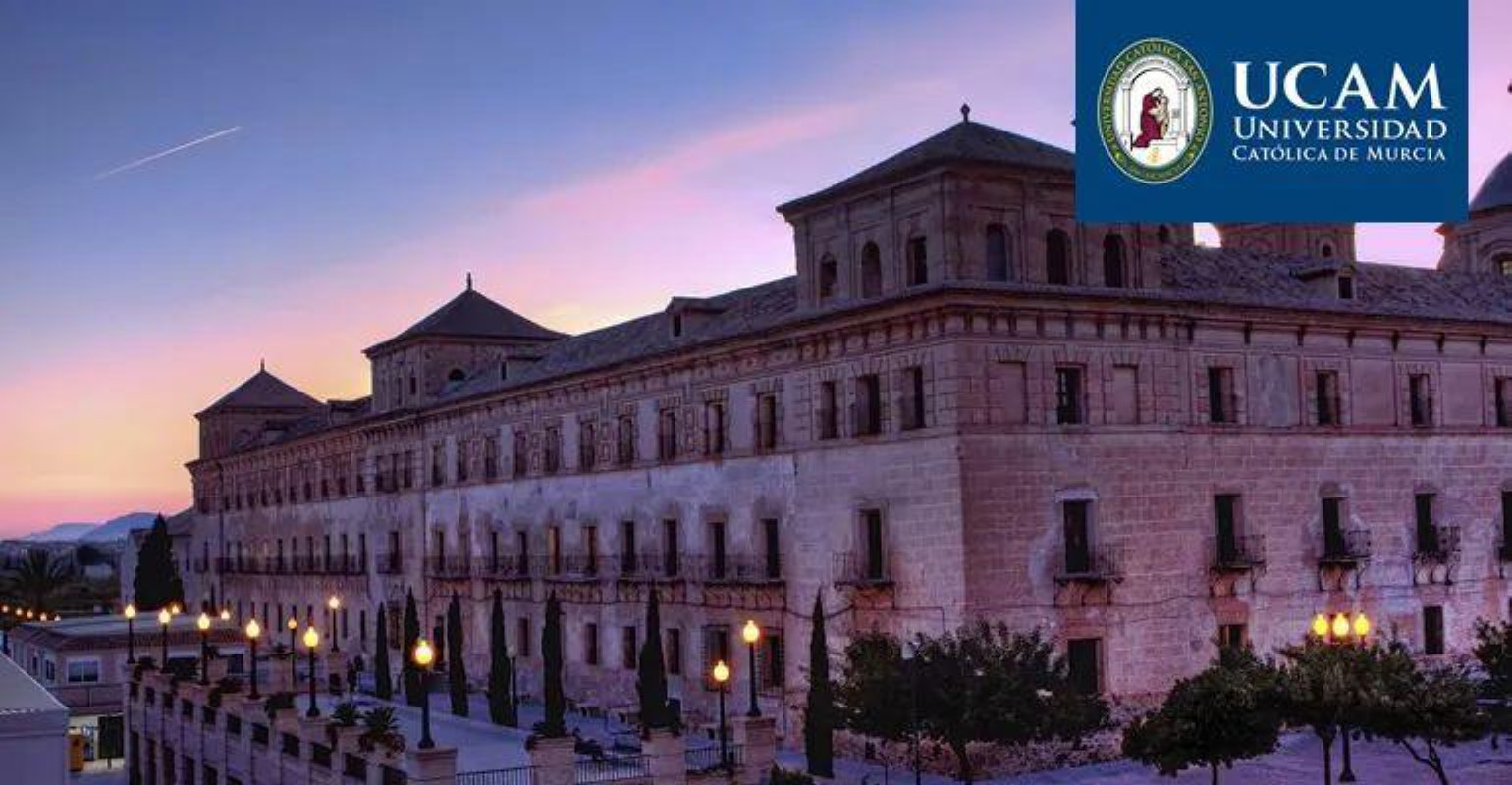
Speaking of the professors, their backgrounds are incredibly diverse. Many aren’t just academics; they might be executives, lawyers, or experts in their fields with extensive practical experience. In class, they often use projects they’ve personally handled as case studies, which you can explore further in this post on the academic level of Spanish universities. This makes the content feel very practical, and you can learn a lot of things not found in textbooks. For me, this is what makes it all worthwhile.
Are the Assessment Methods Really That “Easy”?
Many people are most concerned about exams and how difficult it is to graduate. There’s a common saying that Master’s degrees in Europe are a breeze, and you can graduate with minimal effort, but this is a huge misconception! The workload from regular assignments is immense, especially group projects, which involve constant meetings that can drive you crazy. The final grade isn’t determined by a single exam but is based on a comprehensive evaluation. Here’s the grading breakdown for one of my courses this semester:
| Assessment Method | Weight | Notes |
|---|
| Final Exam | 40% | Closed-book, very challenging |
| Group Project | 30% | Includes a report (read more about top-tier Spanish universities) and a public presentation |
| Individual Case Study | 20% | Due weekly |
| Class Participation | 10% | Active speaking is crucial |
As you can see, it’s impossible to slack off. You have to take every component seriously, or it’s easy to fail the course.
The teaching model in Spanish universities is very different from that in China. It focuses less on the ‘quantity’ of knowledge and more on developing your ability to think independently, work in a team, and solve practical problems. If you’re just here to get a diploma with minimum effort, you’ll likely have a very tough time. But if you genuinely want to learn and enhance your overall skills, the environment here is excellent. What are your experiences like in your own schools and programs? Let’s share and discuss!
