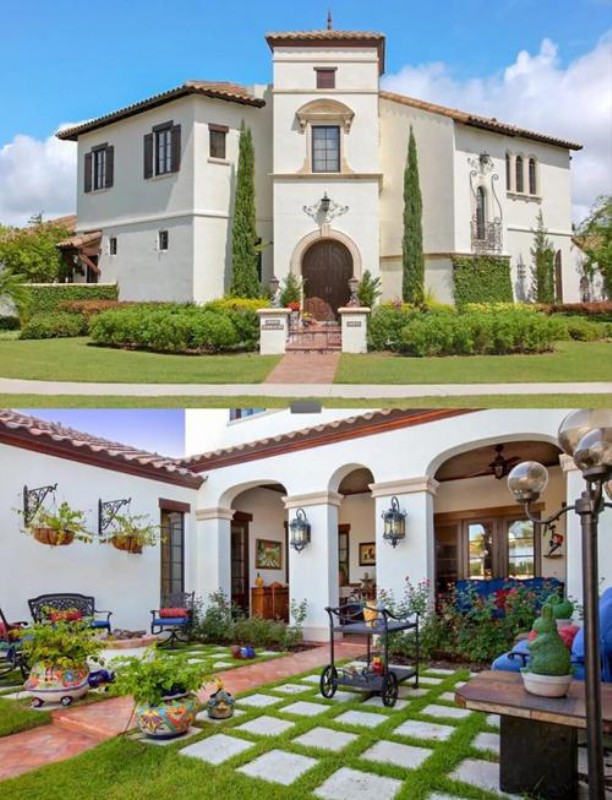
We’re currently renovating our home, and when we got to the front door, it felt like opening a whole new world. As someone a bit obsessed with the ‘face’ of our home, I was set on a solid wood door from the start. I feel that only the warmth and weight of real wood can truly complement the sunshine and stone walls of a Spanish country villa. However, after some research, I realized there’s a lot more to it. I’m starting this thread to share what I’ve learned and to hear your experiences too.
Choosing the Right Wood: More Than Just Looks
I initially thought any sturdy wood would do. After talking to a few local craftsmen, I learned that’s not the case at all. Climate is the primary factor to consider, especially in the coastal areas of southern Spain where intense sun and salty sea air put a lot of stress on the wood. Local craftsmen generally recommend a few types of hardwood:
- Iroko: An African hardwood, often called ‘African Teak’ due to its excellent stability and resistance to rot and insects. It’s a top choice for exterior doors. Its color is a yellowish-brown that deepens naturally over time, developing a beautiful character.
- Roble (Oak): This one is probably familiar to everyone. It’s a traditional European hardwood. It’s very hard with a beautiful grain, giving it a premium feel. However, it’s crucial to choose oak that has been properly dried and treated; otherwise, the risk of warping is higher than with Iroko.
- Pino Tratado (Treated Pine): If your budget for solid wood villa prices is limited, pressure-treated pine is another option. It’s affordable, but its durability and texture don’t quite match up to hardwoods, and it will require more frequent maintenance.
Design and Security: The Battle of Beauty vs. Brawn
There are so many design styles for Spanish villa doors, from traditional rustic to modern minimalist. I personally lean towards styles with some vintage wrought iron details, which I think has a very Andalusian feel. But while chasing aesthetics, security should never be overlooked. A good door must be strong both inside and out.
I’ve summarized a few key security points:
- Locking System: Choose a security lock with at least a three-point or five-point locking mechanism, which secures the door to the frame at multiple points.
- Hinges: Opt for heavy-duty, anti-pry hinges, preferably ones that cannot be removed from the outside.
- Door Thickness: The thickness of a solid wood door is also crucial. A thickness of 45mm or more is generally recommended, providing a strong sense of security.
Common Wood Performance Comparison
To make it clearer, I’ve created a simple table to compare some common wood types.
| Wood Type | Stability | Rot Resistance | Price Range | Maintenance Needs |
|---|
| Iroko | High | High | High | Low |
| Roble | Medium | Medium | High | Medium |
| Pino Tratado | Medium | High | Low | High |
Daily Maintenance: Keeping Your Door Looking New for Years
Finally, let’s talk about maintenance. Even the best wood can’t withstand years of sun, wind, and rain without some care. The advice I got from a craftsman is to inspect it at least once a year, especially after the rainy season. The main tasks are cleaning and applying oil/varnish. Use a soft cloth and a mild cleaner to wipe away dust and grime. Once it’s completely dry, apply a coat of outdoor-specific wood protection oil or varnish. A ‘lasur’ is a penetrating stain that allows the wood to breathe; I personally prefer this type of finish. Regular maintenance not only keeps the door looking shiny and new but also significantly extends its lifespan. It sounds simple, but consistency is key. By the way, what brands of wood oil do you all use? I’m looking for recommendations!
