I’ve been in Spain for a few years now and have always dreamed of owning a piece of land to build my own little log cabin. Last year, I finally took the plunge, bought a plot in the southern region of Andalusia, and began my ‘villa-building’ journey. Although the process was tough, the sense of accomplishment from watching the house take shape is indescribable. Today, I’m organizing the entire process to share with friends who have the same dream, hoping to help you avoid some of the hurdles.
1. Preliminary Preparation: The Most Time-Consuming but Crucial Step
Never underestimate the prep work! If you don’t get this step right, you’ll face endless problems later. First up is the Project and Permits. You must hire a qualified architect to design your house. They will prepare a complete architectural project plan for you, which you’ll then take to the local town hall (Ayuntamiento) to apply for a building permit. This process is incredibly long; I waited nearly 8 months to get my permit. The timing varies by region, so you have to be patient.
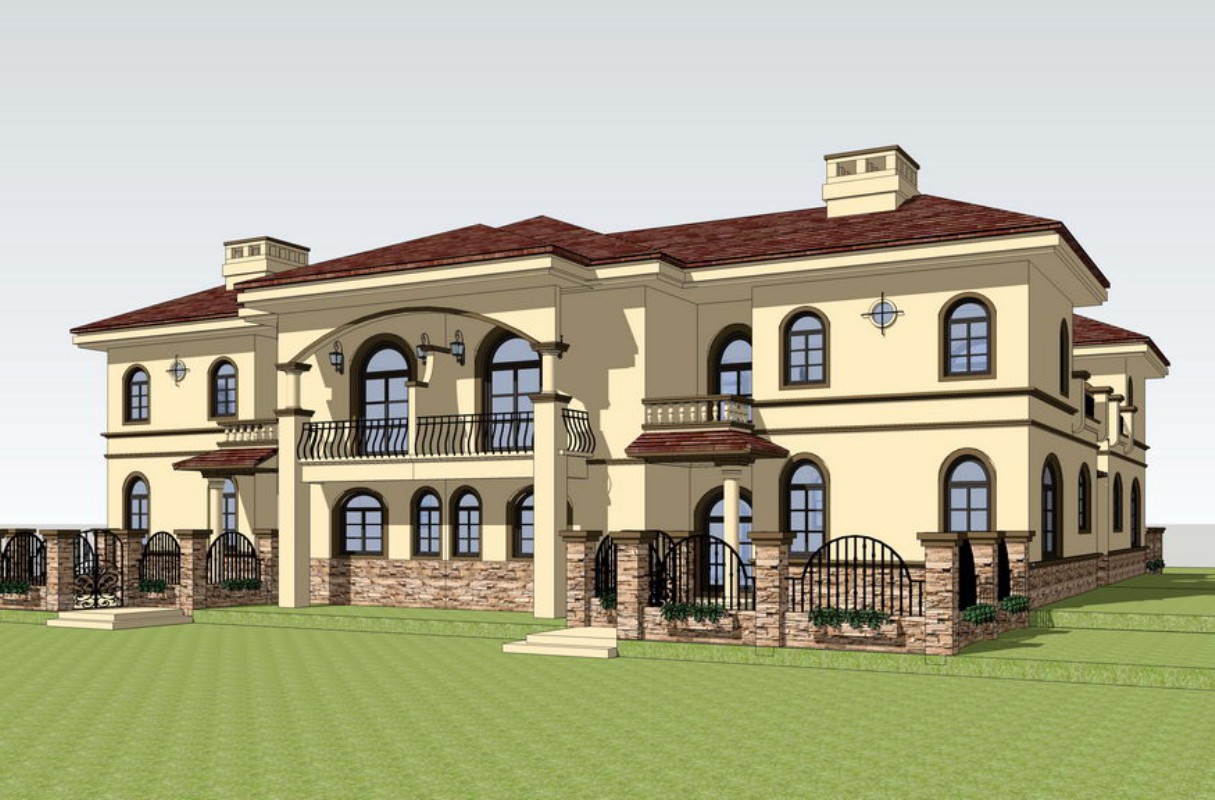
2. Material Selection and Foundation Work
The choice of wood directly determines the quality and lifespan of your house. I chose Scots pine from Northern Europe, which had been treated for rot and insect prevention. I recommend not skimping on this; with lumber, you get what you pay for. While waiting for the permit, you can start contacting timber suppliers. I hired a local construction crew for the foundation work, as it’s too specialized for DIY. It’s typically a reinforced concrete slab, ensuring it’s level and can bear the load. Remember to leave openings in the foundation for plumbing and electrical conduits!
| Construction Phase | Main Tasks | Estimated Time |
|---|
| Preparation | Purchasing land, hiring an architect, applying for permits | 8-12 months |
| Foundation Work | Leveling the ground, pouring the concrete slab | 1-2 weeks |
| Main Structure Assembly | Installing walls, beams, and roof frame | 2-3 weeks |
| Roofing & Exterior | Roof tiles, exterior finishing, installing doors and windows | 3-4 weeks |
| Interior Finishing | Plumbing & electrical, insulation, interior walls, flooring, bathrooms | 1-2 months |
3. Assembling the Main Structure: As Fun as Building Blocks
This is the most exciting part! When the timber arrives at the site, it’s all prefabricated, with each piece numbered. You just need to follow the blueprints and assemble them like you’re playing with LEGOs. Walls, beams, roof frame… it all goes up layer by layer. It’s best to have two or three friends to help with this stage. Some of the long timbers, like for the solid wood doors, are really impossible for one person to handle. Always use a spirit level to check that the walls are perfectly vertical. Watching the outline of the house rise from the ground in just a few days feels truly magical. Safety is paramount during this stage, especially when working at heights
!
Finally, it’s time for the roofing, installing doors and windows, setting up plumbing and electrical, and the interior finishing. For insulation, I used rock wool, which provides excellent soundproofing and thermal insulation. For the interior walls, you can use plasterboard or leave the natural wood texture exposed. The whole process, though exhausting and a huge drain on the wallet, is all worth it when you’re living in a house you built with your own hands, sipping coffee while looking at the distant mountains. I hope my experience can offer some inspiration to friends thinking of building a house in Spain. If you have any questions, feel free to leave a comment below, and I’ll reply when I see it! Wishing you all the best in achieving your dreams soon!
