Having just moved to Spain, I’m sure many of you, like me, are curious and a little anxious about the local healthcare system. After all, knowing what to do when you get sick in a foreign country is a major concern for everyone. After a few recent visits to hospitals and community health centers, I’ve finally started to figure things out. Today, I’m sharing my experience with the Spanish public healthcare system from a regular user’s perspective, hoping to help those who come after me.
How to See a Doctor in Spain?
First, you need a crucial card—the Tarjeta Sanitaria (Health Card). As long as you have legal residency and are registered with social security, you can apply for one at your assigned local health center (Centro de Salud). With this card, you’ll be assigned a specific family doctor (médico de cabecera). For most health issues, big or small, your first step is to book an appointment with this doctor. He or she acts as your primary healthcare manager, prescribing medication for common ailments or giving you a referral if you need to see a specialist. But be mentally prepared for the waiting time for that referral… it can be notoriously long, sometimes taking several months.
How Are Emergencies Handled?
If you have an emergency, like a high fever in the middle of the night or an accidental injury, go directly to the hospital’s emergency department (Urgencias). No appointment is needed; just bring your residence card and health card. However, the triage system in the ER is quite interesting. A nurse will assess the severity of your condition and assign you a priority level, often color-coded from red to blue. If you just have a common cold or a mild fever, you’ll likely be sitting in the waiting area for several hours, watching as people who arrived by ambulance or were in accidents are treated first. So, unless it’s an absolute emergency, don’t use the ER as a shortcut for a quick doctor’s visit.
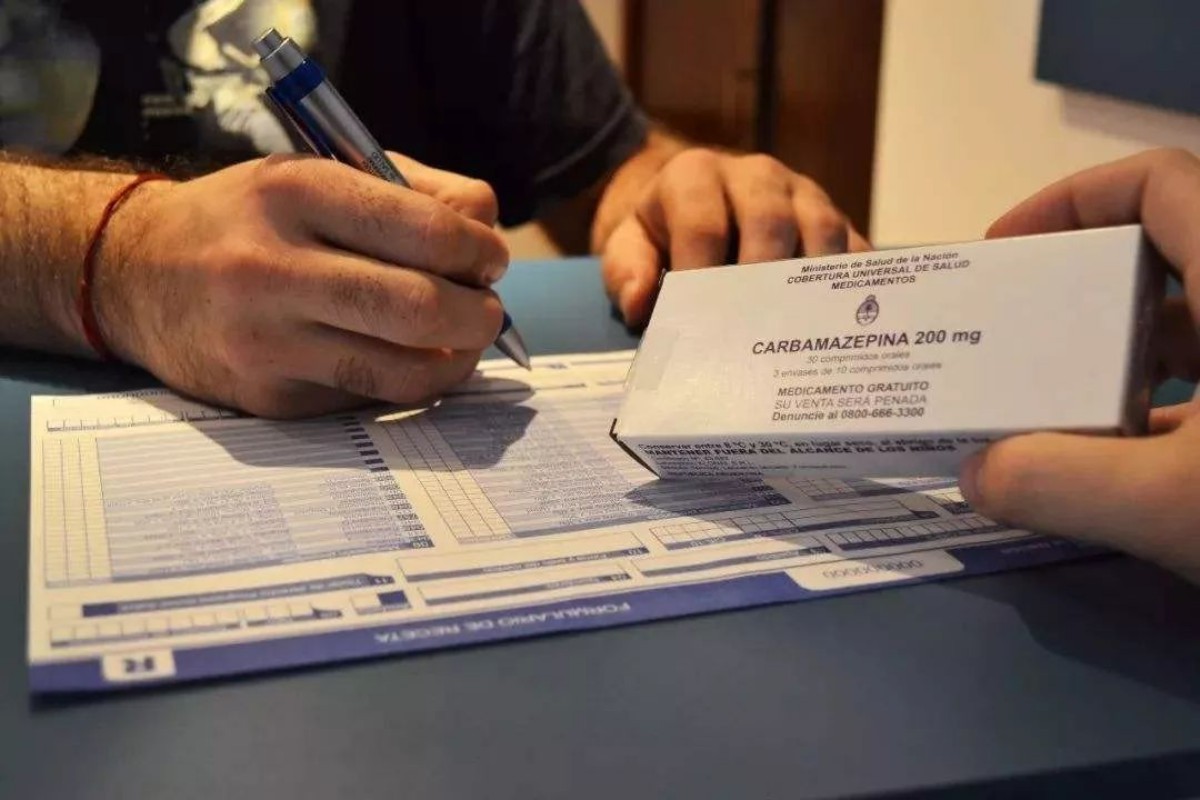
Public vs. Private Healthcare: Which to Choose?
Speaking of Spanish healthcare, this brings us to the topic of private insurance. The biggest advantage of public healthcare is that it’s free and offers comprehensive coverage. But its main drawback is that it’s SLOW! Appointments are slow, tests are slow, and surgery waiting lists are even slower. If you value efficiency or have non-urgent but bothersome health issues, getting private insurance becomes quite necessary. With private insurance, you can directly book appointments with specialists and get tests done much faster, leading to a much better user experience. Many of my friends rely on public healthcare as a safety net and supplement it with private insurance just in case.
I’ve put together a simple comparison of public and private Spanish healthcare to give you a clearer picture:
| Aspect | Spanish Public Healthcare | Spanish Private Insurance |
|---|
| Cost | Mostly free | Requires monthly or annual premium payments |
| Appointment Speed | Slower, long waits for specialists | Fast, direct access to specialists |
| Choice of Doctor | Assigned by the system, usually no choice | Freedom to choose doctors and hospitals within the network |
| Coverage | Nearly all illnesses and major surgeries | Depends on the specific plan; some services may be excluded |
| Best for | Those looking for an affordable option and not sensitive to waiting times | Those who value efficiency, a better service experience, and can afford it |
Spain’s healthcare system has its pros and cons. It provides a solid safety net for everyone, but for those used to the highly efficient healthcare in their home countries, it might take some time to adapt to its ‘slower pace’. The Spanish healthcare system is a complex topic. I hope my sharing is helpful to you, and I welcome any experienced folks to add their own tips and experiences in the comments below!
