Having just moved to Spain, I’ve been looking into the local healthcare system and found that both public and private options have their unique pros and cons. I’ve seen many people on the forum asking about this, so I decided to organize what I’ve learned and share it here. I hope this helps everyone, and I welcome experienced members to add their insights or make corrections!
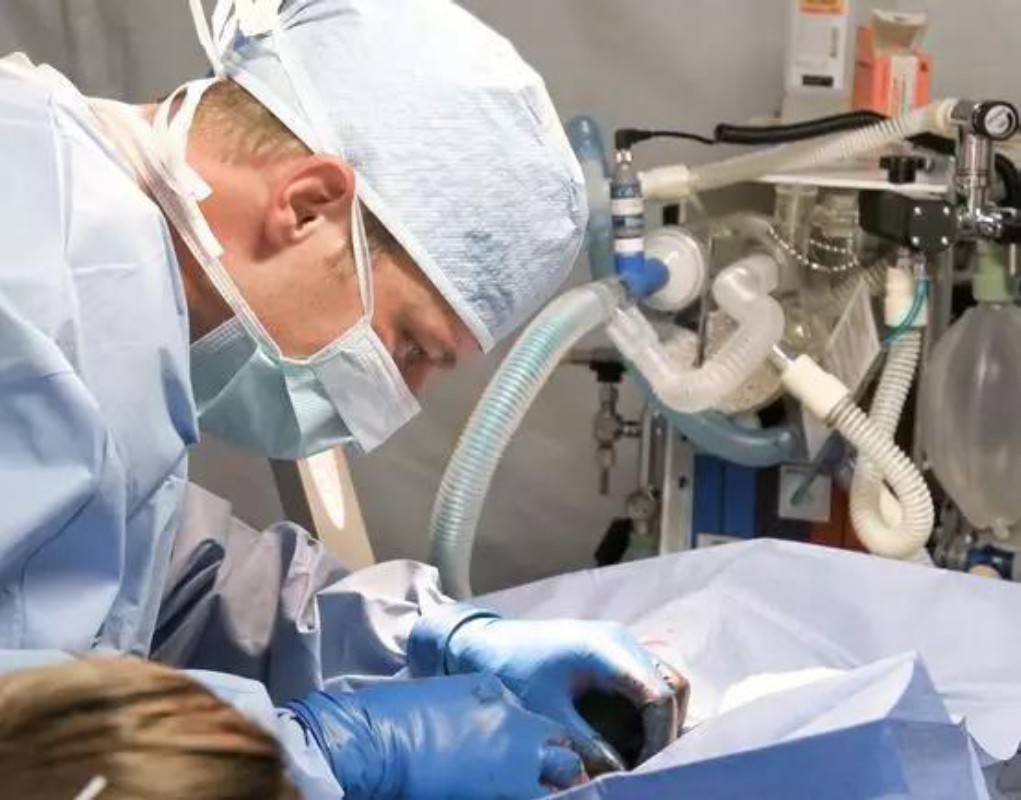
Public Healthcare
I believe most people with legal residency and a job contribute to social security, which allows you to apply for a public health card. The biggest advantage of public healthcare is that it’s free. It has broad coverage; from a common cold to major surgery, you basically don’t have to pay out of pocket. Even prescription drugs only require a small symbolic payment. A friend of mine had a minor surgery, and from check-ups to hospitalization, it didn’t cost a single cent. It felt like a great deal.
However! The downside is also very obvious: it’s slow. Scheduling an appointment with a GP (General Practitioner) is usually fine, and you can often get one within a few days. But if your GP refers you to a specialist, the waiting list can be incredibly long. Waiting several months or even over half a year is standard procedure. A friend of mine had to wait four months for a dermatology appointment. For conditions that aren’t considered urgent in Spanish healthcare but are still very troublesome, the public system really tests your patience. Impatient people would probably go crazy.
Private Healthcare
Private healthcare means purchasing a commercial insurance plan from companies like Adeslas, Sanitas, or Asisa, which many of you have probably heard of. The main advantages are that it’s fast and convenient. You don’t need a referral from a GP; you can directly book an appointment with a specialist through the insurance company’s app or website. You can usually get an appointment within a week, or sometimes even the same or next day. Moreover, the facilities and service quality for emergency medical care in Spain are generally better in the private sector, and many hospitals offer [Spanish healthcare] with English-speaking staff, which is very helpful for those who don’t speak Spanish well. Additionally, services like dentistry, which are mostly not covered by the public system, often have good coverage or discounts under private plans, which is very practical.
The downside is the need for continuous payment. Depending on your age, whether you have a copago (co-payment), and the scope of your coverage, the monthly premium can range from tens to hundreds of euros. Also, not all private hospitals accept every insurance plan, so you need to confirm this before seeking treatment. Although it’s convenient, it’s a fixed expense.
Public vs. Private: A Quick Comparison Table
To make it clearer, here’s a simple comparison table I made:
| Feature | Public Healthcare | Private Insurance |
|---|
| Cost | Mostly free | Fixed monthly premium, possibly with copago |
| Appointment Speed | Slow, long waits for specialists | Fast, direct specialist booking |
| Coverage | Comprehensive, but limited for dental, psychology, etc. | Flexible, options for dental, psychology, check-ups, etc. |
| Language Service | Mainly Spanish | Many hospitals offer multilingual services |
| Best for | Budget-conscious individuals, non-urgent chronic conditions | Those who prioritize efficiency, have specific needs, or face a language barrier |
There’s no absolute good or bad, only what’s suitable for you. Many Spaniards actually use both systems: they have the public health card as a safety net and also buy private insurance for convenience or urgent needs. Personally, after getting my residency, I applied for the public health card and then bought a basic private insurance plan for easier access to specialists. This combination gives me peace of mind. How did you all make your choice? Let’s chat about your experiences with the healthcare system here
!
