For new arrivals in Spain, aside from finding a place to live and eat, one of the biggest concerns is likely healthcare in Spain. What happens if you get sick? What is the Spanish healthcare system really like? As a seasoned expat who has lived here for several years, I’m here to share my perspective on the Spanish healthcare system to help you out.
Public vs. Private Healthcare
Simply put, Spain’s healthcare is divided into two main sectors: public and private. As long as you have legal residency and are registered for social security, you are entitled to public healthcare. Its main advantage is that it’s free and comprehensive, covering everything from major surgeries to prescriptions. The downside… as many know, is that it’s “slow”. It might take a few days to get an appointment with your family doctor, and waiting several months or even over half a year for a specialist is considered normal. I once waited four whole months for a dermatology appointment!
Private healthcare is a different story, focusing on efficiency and quality service. If you have private insurance, you can directly book any specialist you want without a referral from a family doctor. Waiting times are very short, typically just a few days. The environment and service are also much better, and doctors have more time to patiently listen to your condition—a significant advantage, especially when compared to the high-pressure situations found in emergency medical care in Spain. Of course, the downside is you have to pay for the insurance yourself, with monthly costs ranging from a few dozen to over a hundred euros, depending on your age and coverage.
How to Choose? A Quick Comparison
| Feature | Public Healthcare | Private Healthcare |
|---|
| Cost | Mostly free | Requires purchasing private insurance |
| Appointment Speed | Slow, long waits for specialists | Fast, direct booking for specialists |
| Doctor Choice | Assigned a specific family doctor | Free choice of any doctor within the network |
| Service Experience | Average, shorter consultation times | Better, comfortable environment, attentive service |
| Coverage | Comprehensive, includes major illnesses and surgeries | Depends on the purchased insurance plan |
How to See a Doctor in Spain?
Step 1: Get Your Health Card (Tarjeta Sanitaria)
This is your ‘ID card’ for the public healthcare system. You’ll need to go to your local health center (Centro de Salud) with your proof of address (empadronamiento), residency card, and social security number to apply. They will assign you a family doctor.
Step 2: Make an Appointment (Cita Previa)
Whether you need to see your family doctor, a nurse for a shot, or have a routine check-up, you must book an appointment in advance. Nowadays, it’s very convenient: you can do it by phone, on the health center’s website, or through your region’s health app. Never just show up without an appointment; you will be turned away. Don’t ask me how I know.
What About Emergencies (Urgencias)?
For life-threatening emergencies, such as a heart attack or a serious accident, call the emergency number 112 directly or go to a hospital’s emergency department (Urgencias). However, if your issue is just a common cold or fever, it’s better to make an appointment with your family doctor or visit the emergency services at your local health center. Be aware that the public healthcare in Spain can be overwhelmed; if you go to a major hospital’s emergency room with a non-serious condition, you might end up waiting for several hours.
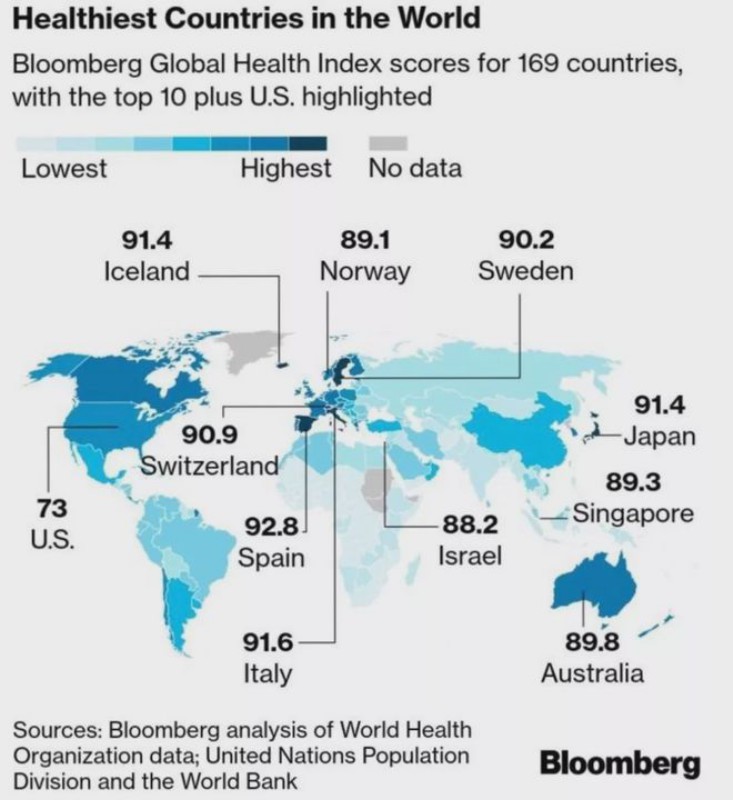
The standard of medical care in Spain is very high. While the public system may be slow, it provides a solid safety net. The private system, on the other hand, offers a more efficient and comfortable alternative. My personal advice is, if your budget allows, consider a ‘public + private’ combination. Use the public system for minor ailments and routine care, and turn to private insurance when you need to see a specialist quickly or want a better service experience. I hope everyone stays healthy in Spain and never has to use this guide!
