I moved to Spain not long ago and recently caught a small cold due to the change of seasons. This prompted me to look into the local healthcare system, and I discovered it’s quite different from what I’m used to back home—and surprisingly complex. I’m starting this thread to share my findings with fellow forum members and to keep a record. If I’ve gotten anything wrong, please feel free to correct or add to it!
Public Healthcare: Free but Requires Patience
Spain’s public healthcare is a universal benefit. As long as you’re registered with social security, consultations and prescriptions are generally free, and the coverage is extensive, which is truly impressive. I applied for my health card as soon as I got my residency permit. The system then assigns you a family doctor (GP) and a local health center (centro de salud).
The process for seeing a doctor is basically:
- Booking an Appointment: You need to book an appointment to see your GP, which can be done by phone, through the health center’s website, or via an official app. Popular doctors might have a waiting list of a few days or even a week, so for minor issues, it’s best to book in advance.
- The Consultation: During your visit, the GP will make an initial diagnosis. If necessary, they’ll write you a prescription or refer you to a specialist.
- Specialists/Tests: Waiting times for seeing a specialist or getting complex tests like an ultrasound or MRI can be quite long—waiting several months is considered normal. This is why when people complain about Spanish healthcare, the main grievance is always the “wait”!
Private Healthcare: Paying for Efficiency
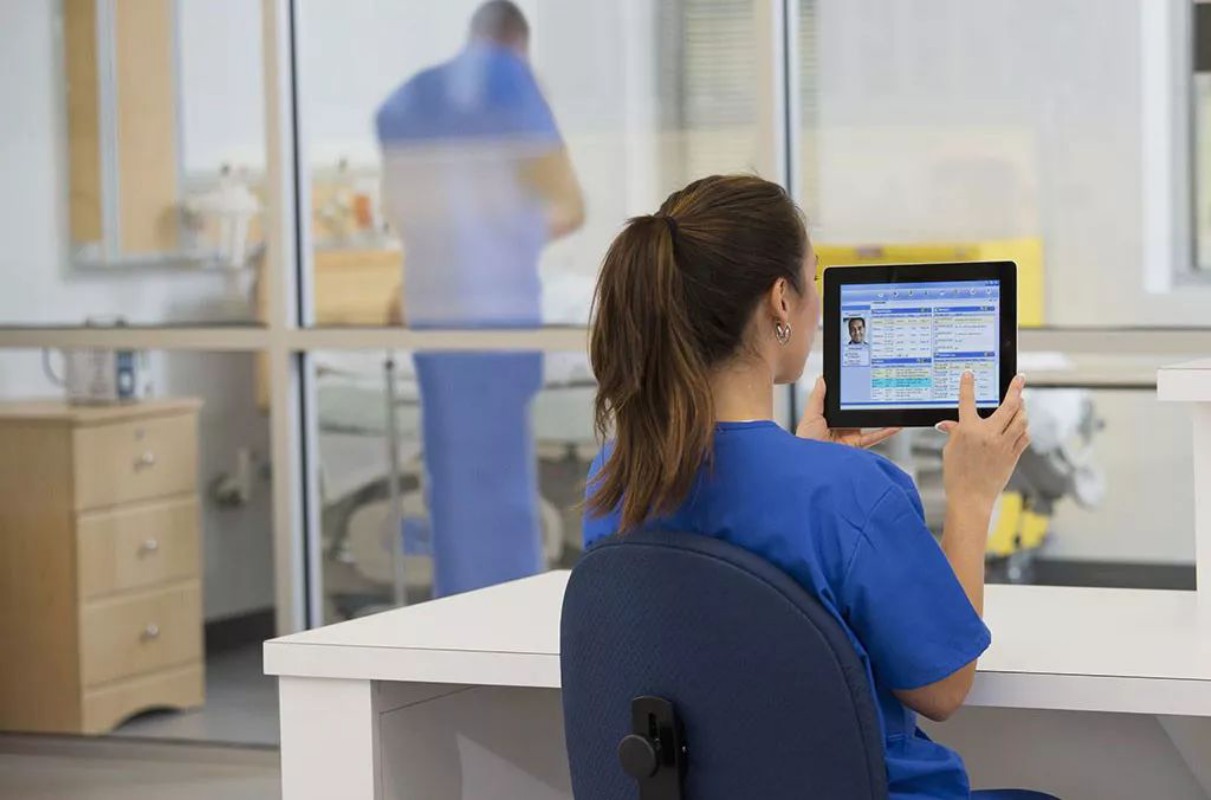
If you don’t want to wait or are looking for a better service experience, private healthcare is the way to go. There are many private insurance companies here, such as Adeslas, Sanitas, and Asisa. With private insurance, you can directly book an appointment with any specialist in your provider’s network. This is a huge time-saver as, unlike the public system where you need a GP referral for almost everything except emergency services in Spain, here you can bypass that step entirely. Appointments are much faster, usually within a few days. The facilities and customer service are also generally better, and many private hospitals offer English-speaking services, a big plus for expats navigating the Spanish healthcare system.
You get what you pay for. The cost of private insurance varies from tens to hundreds of euros per month, depending on factors like age and whether it includes a co-payment (copago). However, for international students or young professionals, a basic private plan can be quite cost-effective, saving a lot of hassle and waiting time.
| Healthcare System | Pros | Cons |
|---|
| Public Healthcare | Free or very low cost, extensive coverage | Long waiting times for appointments and procedures, average service experience |
| Private Healthcare | Fast appointments, more choice, better service | Requires private insurance, higher cost |
The Spanish healthcare system is essentially a dual model: public for basic needs, and private as a supplement. For chronic conditions or non-urgent minor problems, the public system is perfectly fine. However, in case of an emergency, you will receive priority treatment at the emergency department of either a public or private hospital. For anyone new to Spain, I’d recommend getting your public health card while also considering a private insurance plan based on your needs. Better safe than sorry!
