When I first came to Spain, I always heard that the public Spanish healthcare system here is free for everyone, which sounded like an amazing benefit. Recently, due to seasonal allergies and a family member needing a small check-up, I’ve had to navigate both the public and private systems. It turns out, things aren’t as simple as I thought. Today, I want to start a discussion to share my perspective on the current state of healthcare in Spain. This is purely my personal experience, and I welcome everyone to add their thoughts and join the conversation.
Public Healthcare: A Love-Hate Relationship
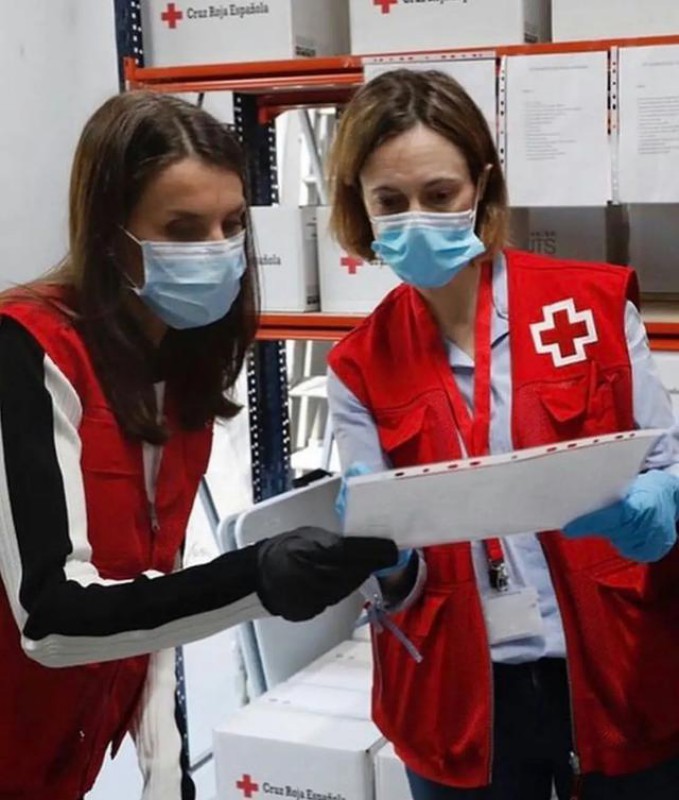
The advantages are very clear—it’s cheap, or even free. As long as you’re registered with social security, consultations, prescriptions, tests, hospitalizations, and surgeries are mostly covered. For long-term treatments or serious illnesses, it’s an absolute backbone of support. However, the downside is just as significant and can be a real headache: the slowness.
Booking an appointment with a family doctor (GP) is usually fine; you can typically get one within a week. But if your GP refers you to a specialist, that’s when the waiting game truly begins. Waiting several months is the norm, and I’ve heard that for some non-urgent surgeries, the wait can be a year or two. This time, when I tried to book an appointment with an allergy specialist, the system showed a four-month wait. It’s almost comical. The public healthcare system feels like a huge but slow-moving giant; it can solve your major problems, but the process really tests your patience.
Private Healthcare: Where Efficiency is King
Since I couldn’t wait any longer, I opted to use my private insurance. It felt like a completely different world. Specialist appointments can usually be booked within a week, and tests are scheduled just as quickly. The doctors are generally more attentive, and the facilities are much nicer, without the crowded, chaotic feeling of public hospitals. Of course, all of this comes at a price. A monthly insurance premium of a few dozen euros is a given, and depending on the doctor or procedure, there might be additional co-payments (Copago).
Below, I’ve summarized the main differences I’ve experienced between public and private healthcare. Speaking of the broader healthcare industry, you might also find this discussion on Spanish medical devices interesting. Here is the comparison for your reference:
| Features | Public Healthcare | Private Healthcare |
|---|
| Waiting Time | Long, especially for specialists and surgeries | Short, very fast for appointments and tests |
| Cost | Mostly free or low-cost | Requires private insurance; may have co-payments |
| Service Experience | Standardized, crowded and noisy environment | Personalized, comfortable environment, better service |
| Coverage | Comprehensive, covers all conditions | Depends on the insurance plan; some procedures or pre-existing conditions may not be covered |
My takeaway is this: if you’re generally healthy and only deal with occasional minor ailments like a cold or a headache, the public system is perfectly adequate and will save you money on insurance premiums. However, if efficiency is a high priority for you, or if you have elderly family members or young children who need to see a doctor frequently, getting a private plan as a supplement can definitely improve your quality of life. For a deeper dive, you can check out this guide on Spanish health insurance. How do you all make your choice? Have you run into any pitfalls or have any insurance recommendations? Let’s chat in the comments!
