Having recently moved to Spain, I was a bit clueless about the healthcare system. I’ve spent some time researching it and, combining that with friends’ experiences, have put together some information. I hope this helps those who need it, and I welcome everyone to discuss and add to it.
Public vs. Private: The Eternal Dilemma
Spain has a typical dual healthcare system, with public and private sectors existing side-by-side. The public system provides universal coverage; as long as you have a social security number, doctor visits and prescriptions are mostly free. The advantages are its wide coverage and low cost, but the downside is also very clear: long waiting times. It’s common to wait several months for a specialist appointment, and a non-urgent surgery could mean a wait of up to a year. In contrast, the private system is much more flexible. By purchasing commercial insurance for Spanish medical care, you can get fast appointments with specialists and enjoy a better environment. Many of my friends use both systems: public for minor issues, and private for emergencies or when they need a quick diagnosis.
What’s the Quality of Spanish Healthcare Really Like?
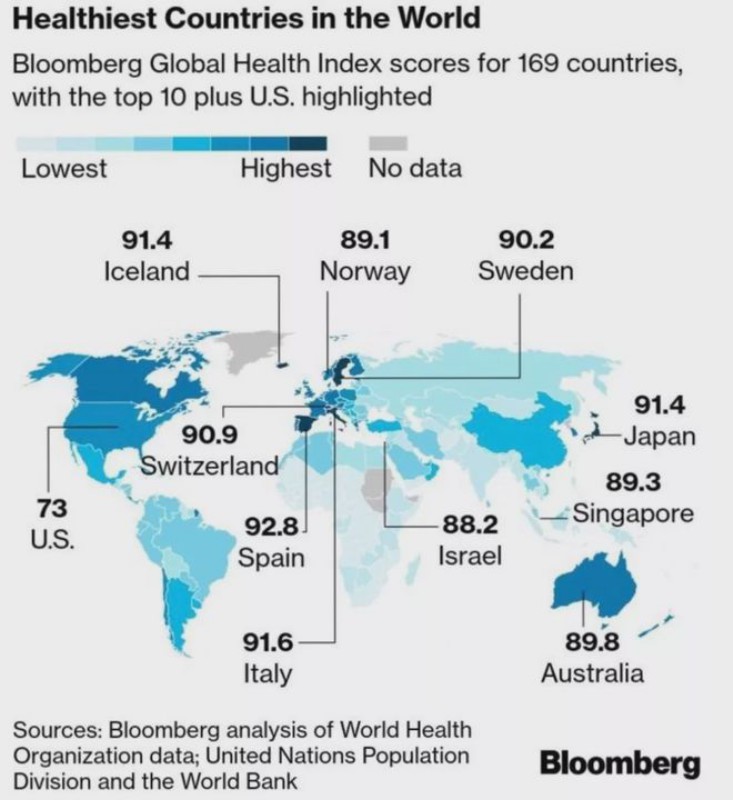
Setting aside the waiting times, the quality of Spanish healthcare is among the best in the world. In World Health Organization rankings, Spain’s healthcare system is often in the global top ten. The training system for doctors is very rigorous here, and the Spanish medical equipment is relatively advanced. Spain is a world leader, particularly in fields like organ transplantation, cancer treatment, and cardiovascular diseases. However, resources are unevenly distributed across different autonomous communities; major cities like Madrid and Barcelona naturally have more concentrated and higher-quality medical resources.
Current Challenges
Even the best systems have their problems. The biggest challenges for Spanish health insurance and the healthcare system today are the immense pressure from an aging population and a shortage of medical staff. After the pandemic, many healthcare workers left the profession, leaving the public system overloaded and making waiting times even worse. This is why many feel it’s harder to see a doctor now than before. The government is trying to find solutions, such as increasing budgets and simplifying the process for foreign doctors to get their qualifications recognized, but it will take time to see the effects.
| Healthcare System Comparison | Public Healthcare | Private Healthcare |
|---|
| Pros | Free or very low cost, universal coverage | Fast appointments, short waiting times, better service environment |
| Cons | Extremely long waiting times, strained resources | High cost, requires purchasing commercial insurance |
| Best for | Chronic conditions, non-urgent routine check-ups | Those who need speed and prefer premium service |
Spain’s healthcare system has a very strong foundation, but its challenges are real. For the average person, getting a social security card and understanding how to book an appointment with your family doctor are the basics. If your budget allows, getting supplementary private insurance can really be a lifesaver in urgent situations. Hopefully, Spain can better address its resource allocation and efficiency problems in the future, making it easier for everyone to get medical care.
