When I first moved to Spain, my impression of its healthcare was basically universal free coverage and long waiting times. But after living here for a while, due to family health matters, I started to encounter some deeper aspects, like today’s topic—the Spanish medical device market. This might be an unfamiliar area for most forum members, but I find the discussion around healthcare in Spain quite interesting and wanted to share my findings.
Market Overview: A Quietly Profitable Industry
To me, Spain’s medical device industry feels like a classic “hidden champion.” It’s not as renowned as tourism or agriculture, but the Spanish medical devices sector is a force to be reckoned with. According to data from the industry federation, the market size is substantial, ranking among the top five in Europe. An interesting characteristic, however, is that most of Spain’s native medical device companies are small and medium-sized enterprises (SMEs). While they are highly specialized technically, their brand recognition on the international stage pales in comparison to giants from Germany or the United States. The bulk of the market, particularly for high-tech equipment like MRI and CT scanners, remains dominated by major global brands.
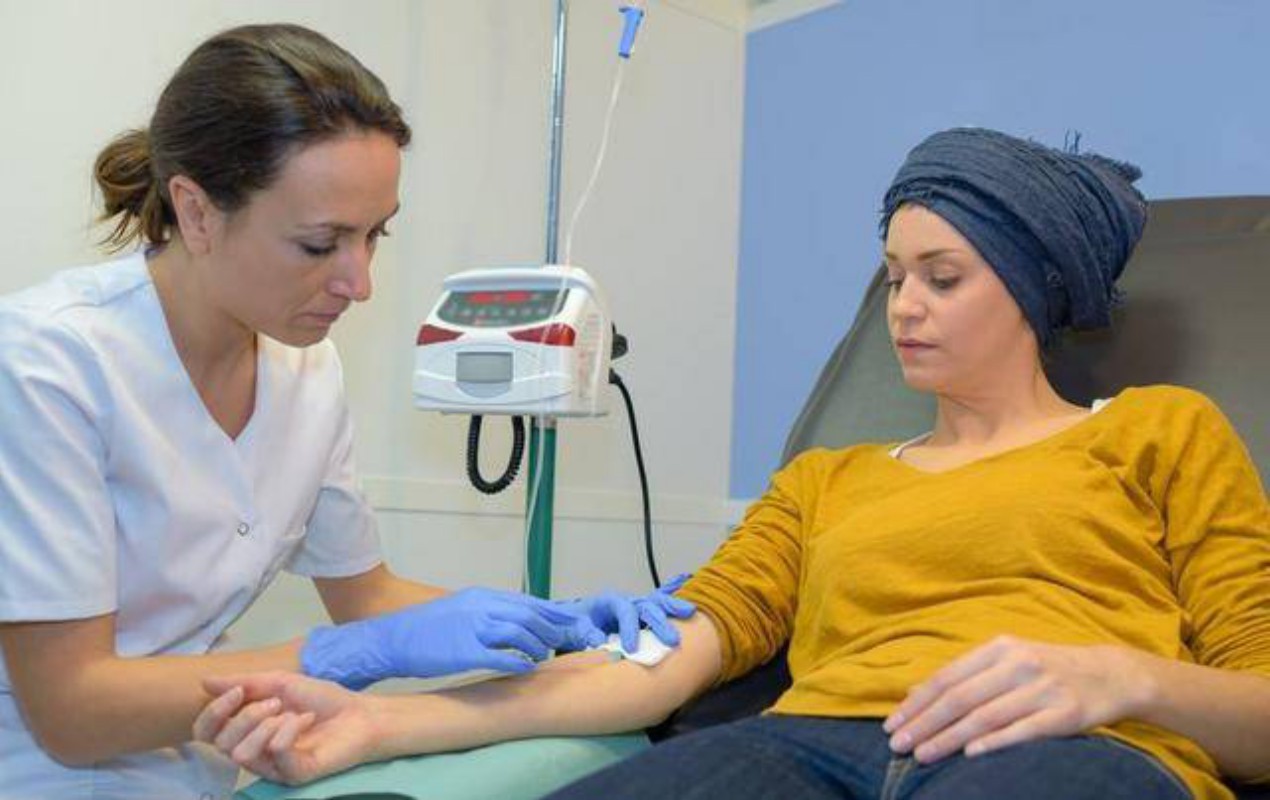
Industry Characteristics and Challenges
Here are a few characteristics I’ve observed:
- High Dependence on Imports: As mentioned, high-end equipment is mostly imported. This creates a sense of being “bottlenecked” in certain critical medical technologies.
- Strong Innovation Capacity: Despite the lack of large corporations, the R&D vitality of smaller companies is impressive. Spain has many technically proficient firms, especially in fields like in-vitro diagnostics, orthopedic implants, and cardiovascular devices.
- Strict Regulations: In line with the entire EU, Spain’s medical device regulations are very stringent. Obtaining market approval is not easy, involving a long and demanding process.
The biggest challenges, in my personal opinion, are funding issues and market promotion. Many small companies possess great technology but lack the funds for large-scale clinical trials or the channels to sell their products worldwide, which is a real shame.
Future Trends: The Silver Economy and Digitalization
Looking to the future, I see two particularly significant opportunities. The first is the “Silver Economy.” Spain has one of the most rapidly aging populations in Europe, which means the demand for devices related to home care, chronic disease management, and rehabilitation assistance is set to explode. For instance, wearable devices that monitor an elderly person’s heart rate and blood pressure and automatically send alerts have enormous market potential.
Secondly, there’s the digital transformation. The pandemic has greatly spurred the growth of telemedicine. Many public hospitals are now piloting online consultations, and the accompanying digital diagnostic tools, such as portable ultrasound devices and smart stethoscopes, are bound to become more widespread. The table below summarizes some popular fields and corresponding product examples:
| Hot Fields | Product Examples |
|---|
| Remote Monitoring | Smart blood pressure monitors, glucose meters, ECG wristbands |
| Home Rehabilitation | Electric physical therapy devices, portable oxygen concentrators |
| Assisted Living | Smart pillboxes, fall detectors, electric wheelchairs |
| Digital Diagnostics | Handheld ultrasound devices, dermatoscope apps |
The Spanish medical device market is a place full of challenges, but also teeming with opportunities. For the average person, learning more about this field, as well as related topics like Spanish health insurance, not only allows us to better utilize local healthcare resources but could also be a promising area to explore for potential entrepreneurial ideas. What are your thoughts on this? Please share them in the comments! Those with expertise in the area are welcome to add to or correct this information
!
