Having just moved to Barcelona, I have to admit my biggest worry was healthcare. With the language barrier and being unfamiliar with the system, I was anxious about what would happen if I got sick. I’ve recently had a few encounters with the medical system for some minor issues, and I wanted to share my real experiences with everyone on the forum, hoping it can help others in need.
Scheduling a Family Doctor
The first step is to register at your local community health center to get your health card and be assigned a family doctor. My experience is that you definitely need patience when booking an appointment. You usually book by phone or through the health center’s app, and it often takes a few days, or even a week, to get an appointment. However, this is for non-urgent, routine check-ups or minor ailments. When I finally saw the doctor, it was a positive experience. The doctor was thorough and didn’t rush me, even with a full waiting room. For long-term prescription medications, the family doctor can issue the prescription directly, and you can then buy the medicine at a pharmacy, which is very convenient.
Emergency Rooms and Specialists
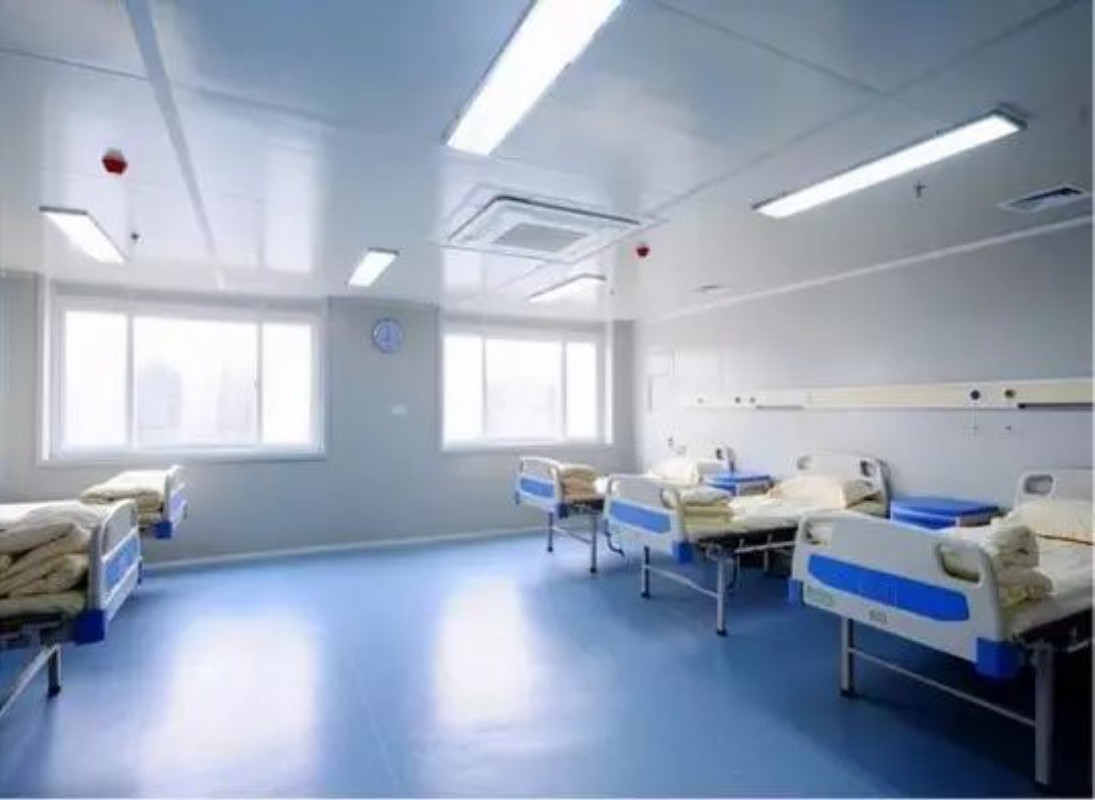
One weekend, I had a sudden bout of acute gastroenteritis and couldn’t bear it, so I went to the emergency room of a public hospital. It was extremely crowded; I waited nearly two hours to see a doctor. However, the triage system is quite effective. A nurse first assesses the severity of your symptoms and categorizes you, with critical cases being prioritized. If you go to the ER for something minor like a common cold or fever—not a top priority for staff whose roles and healthcare assistant salaries are focused on urgent care—you’ll likely be waiting forever. So, as any healthcare assistant would advise, unless it’s a true emergency, it’s better to stick with your family doctor.
As for specialists, you can’t book them directly through the public system. You must be referred by your family doctor. This waiting time can be even longer; a friend told me it could take several months to see a dermatologist. This is why many people opt to buy private health insurance, which allows you to book specialists directly and much more quickly.
To help you choose, here’s a summary of the differences I’ve personally experienced between public and private healthcare:
| Feature | Public Healthcare | Private Insurance |
|---|
| Pros | Free, comprehensive coverage, excellent for major illnesses | Fast, short waiting times, choice of doctors and hospitals, better facilities |
| Cons | Inefficient Long waiting times, especially for specialists; no choice of doctor | Premiums are an expense; some treatments or special procedures may not be covered |
| Best for | Those on a budget, who don’t mind waiting, and need basic coverage | Those who prioritize speed and a better experience, or have specific medical needs |
Spain’s public healthcare system may be slow, but it provides a solid safety net, especially for serious illnesses. If your budget allows for it, complementing it with private insurance can make things much more convenient for non-urgent specialist visits, and you can learn more about Spanish healthcare options online. Feel free to share your own experiences with the healthcare system below and exchange tips!
