For those new to Spain, is the healthcare system a bit confusing? Don’t worry, I was in the same boat when I first arrived. Today, I’ll share my personal experience to walk you through how to see a doctor in Spain. Hope this helps!
Public Healthcare vs. Private Healthcare
First, you need to understand that healthcare in Spain is divided into two main categories: public healthcare and private healthcare.
- Public Healthcare: As long as you have a legal residence permit and are paying into the social security system, like with a healthcare assistant’s income, you can access it for free. Its main advantage is its comprehensive coverage at little to no cost, but its significant drawback is that it’s slow. It might take a few days to get an appointment with a family doctor, and several months or even longer for specialists and tests.
- Private Healthcare: This requires purchasing a private health insurance plan. The benefits are speed and better service; you can book specialists directly without long waits, and hospital environments are often more comfortable. The downside is the cost of the insurance, which can range from tens to hundreds of euros per month, depending on your age and the coverage plan.
How to Use Public Healthcare?
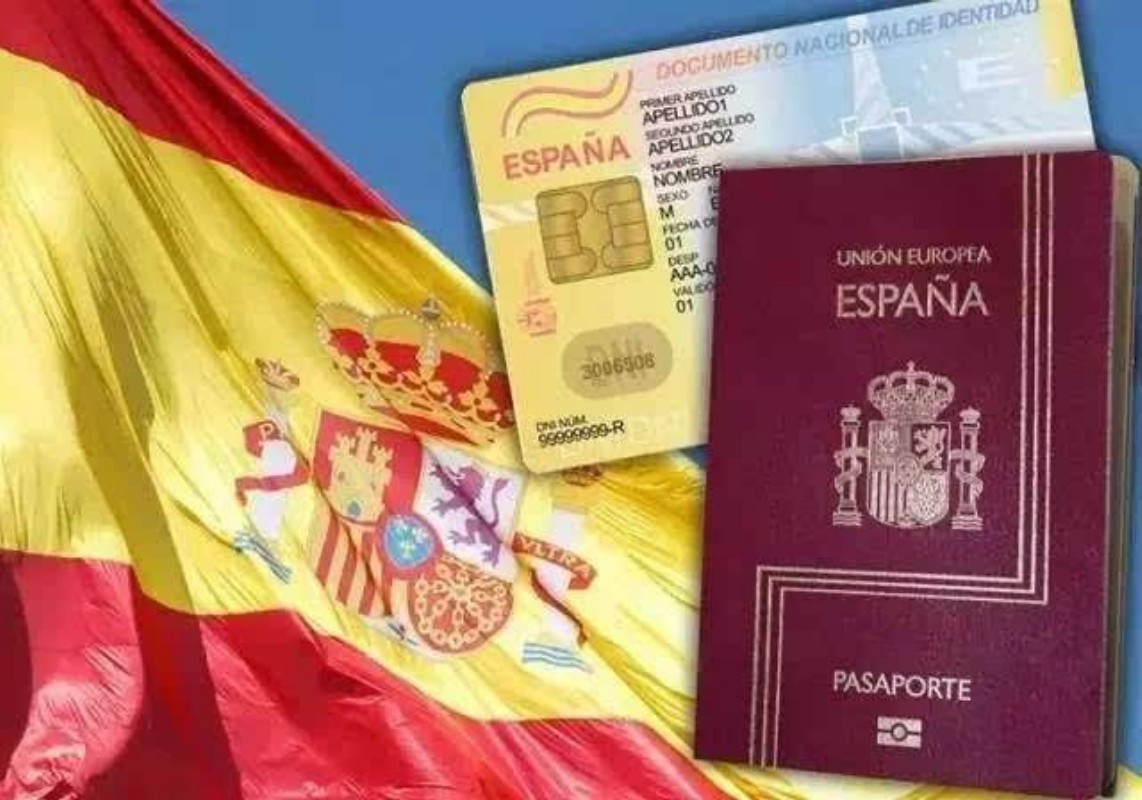
To use the public system, the first step is to go to your local health center (Centro de Salud) to apply for a health card (tarjeta sanitaria). Bring your residence card (TIE/NIE), proof of address (empadronamiento), and your social security number. Once you have the card, you’ll be assigned a family doctor (Médico de cabecera). For any minor ailments like a cold, fever, or skin allergy, you should book an appointment with this doctor first. If the doctor deems it necessary, they will give you a referral to a specialist. The demand for Healthcare assistants is also increasing in this sector.
| Step | Description |
|---|
| 1. Apply for a Health Card | Go to the Centro de Salud with your residency permit, empadronamiento, and social security documents. |
| 2. Book a Family Doctor | Make an appointment with your Médico de cabecera via phone, app, or in person. |
| 3. Consultation | The family doctor provides an initial diagnosis and treatment. |
| 4. Referral | The family doctor issues a referral to a specialist at a public hospital if needed. |
What to Do in an Emergency?
For a true emergency, such as a sudden heart attack or a serious accident, call the emergency number 112 immediately! Alternatively, go directly to the emergency department (Urgencias) of a public hospital. Be aware that going to Urgencias for a common cold or fever might earn you some disapproving looks, and you’ll still have to wait a long time as they prioritize more critical patients. So, unless it’s absolutely necessary, it’s better to stick to your family doctor appointment. I once went to the ER in the middle of the night with severe stomach pain, and with a dozen people ahead of me, I had to wait nearly three hours to be seen—an experience I’ll never forget.
The Spanish healthcare system is generally very reliable. If your budget allows, I recommend getting private insurance as a supplement to the public system. This provides a fast track for minor issues while having the public system as a safety net for major problems, giving you the best of both worlds. The state of [healthcare in Spain] is always evolving. What are your experiences with seeing a doctor here? Feel free to share and discuss in the comments below!
