I recently moved to Barcelona and have been looking into the Spanish healthcare system. It’s quite interesting, so I wanted to share my findings with everyone on the forum, especially as a reference for newcomers. In Spain, healthcare is mainly divided into two parts: public and private.
The Public Healthcare System: Universal Coverage is a Great Perk!
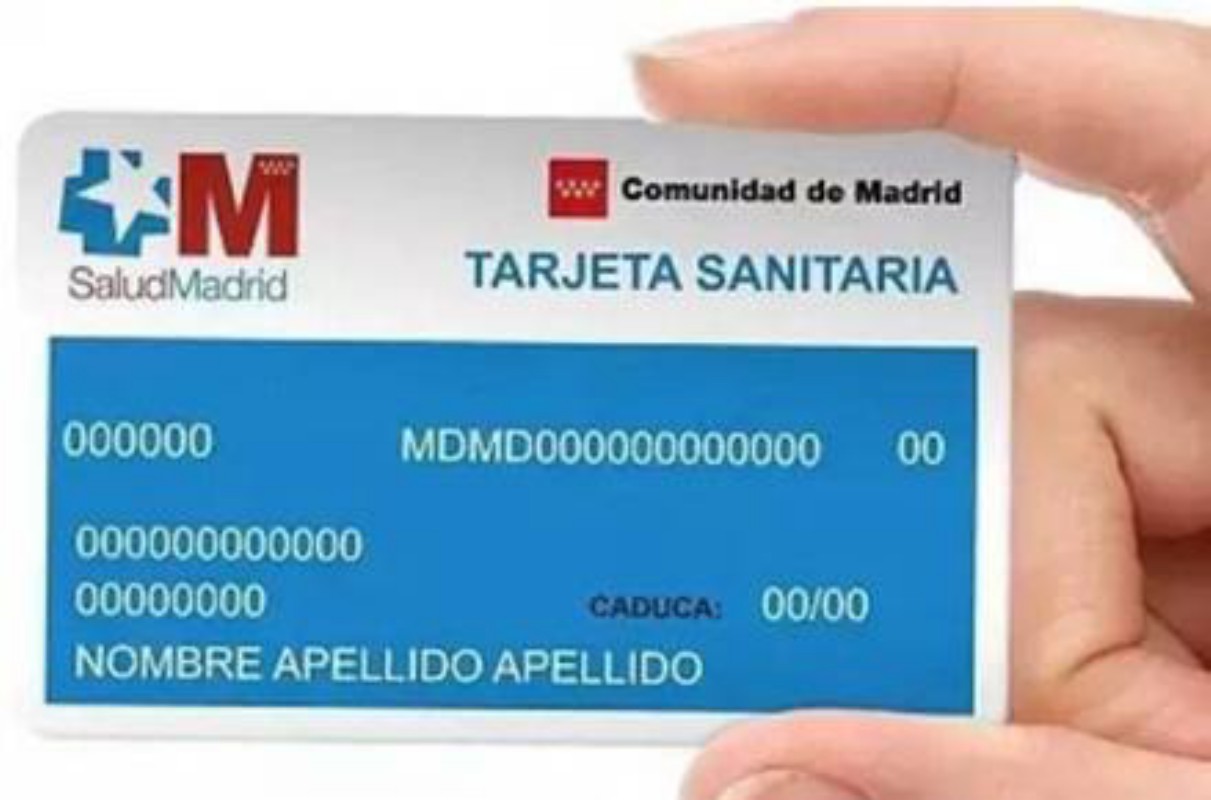
Spain’s public healthcare is well-known for its excellent benefits. As long as you have legal residency and are registered with the Social Security system, you can apply for a health card at your local health center (centro de salud). With this card, doctor’s visits, hospital stays, and most tests are generally free. For prescription medicine, there are significant discounts based on your income; you typically only pay 40%-60% of the cost, and it’s even less for retirees. The quality of doctors and equipment in the public system is very high, and it’s absolutely reliable for serious illnesses and emergencies.
However, the biggest drawback of the public system is that it’s slow! Waiting several months for a specialist appointment is the norm, and the wait times for tests like ultrasounds or MRIs can be even longer. For non-urgent but annoying minor issues, this waiting process can be really frustrating. My neighbor had a knee problem and had to wait a full four months to see an orthopedist.
Why Bother with Private Insurance Then?
If public healthcare is free, why do so many people buy private insurance? The main reason is to solve the “slowness” problem of the public system, with the added bonus of better Spanish healthcare benefits. The biggest advantage of private insurance is efficiency. You can usually get an appointment with a general practitioner the same day and a specialist within a day or two. Getting tests done is also incredibly fast. Moreover, you have the freedom to choose your hospital and doctor, and the medical environment and service are often better. For families with children, the pediatric emergency services offered by private insurance are very convenient, avoiding the crowds at public hospitals.
How to Choose a Private Insurance Plan?
The main private insurance companies on the market include Adeslas, Sanitas, DKV, Asisa, and others. They offer a wide variety of insurance plans, with prices varying significantly from basic outpatient coverage to fully comprehensive options. This contrasts with the public system, which is accessed via the Tarjeta Sanitaria. The choice of private plan depends on your personal needs and budget. Here’s a simple comparison of common insurance types:
| Plan Type | Key Features | Best For |
|---|
| Cuadro Médico sin Copago | No co-payments; no extra fees for visits or tests. | Those who need frequent medical care and want peace of mind. |
| Cuadro Médico con Copago | Has co-payments; pay a small fee per service, lower monthly premium. | Healthy individuals who rarely see a doctor and want to reduce fixed costs. |
| Reembolso | Freedom to choose any doctor/hospital worldwide; pay first and get reimbursed. | Those with a high budget who want maximum flexibility in their choice of care. |
If you’re healthy and don’t mind the waiting times associated with Spanish public healthcare, the public system is perfectly adequate. However, if you value efficiency, a better service experience, or have specific medical needs, spending some money on a private insurance plan is definitely worth it. I ended up choosing a private plan with co-payments (con Copago) to supplement the public system, and it gives me great peace of mind. How did you all make your choice? Let’s discuss in the comments!
