When I first came to Spain, the thing I heard most about was the great welfare system, especially the universal free healthcare provided by Spain’s healthcare industry, which sounded like a paradise. After living here for a while and visiting the doctor a few times, I realized it’s not that simple. Today, I want to share my perspective on Spain’s healthcare system as a regular user.
Public Healthcare: A Free Lunch, but Patience is Required
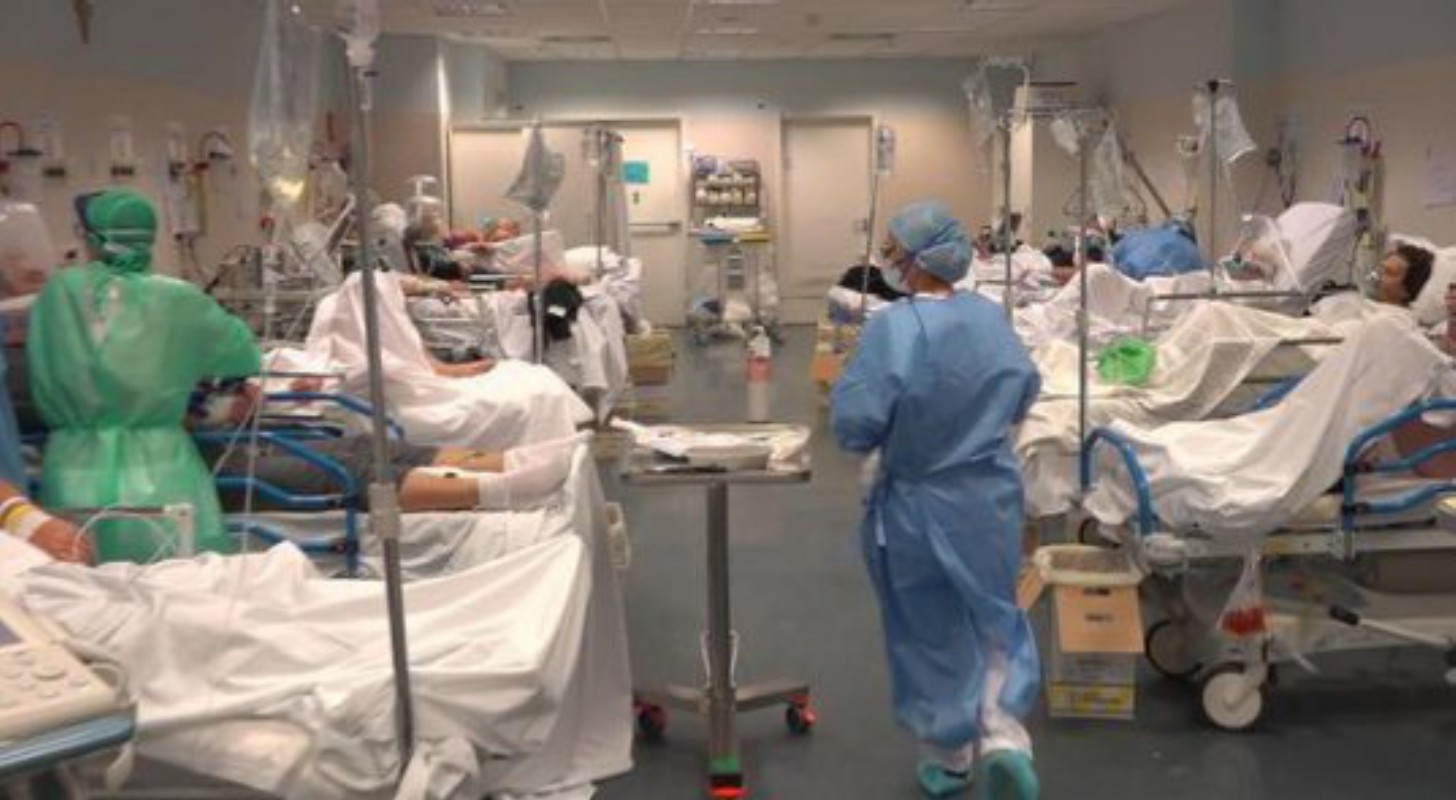
Spain’s public healthcare system does have extensive coverage. As long as you’re registered with social security, doctor’s visits, prescriptions, surgeries, and hospital stays are mostly free, and you have to give them credit for that. However, its main drawback is equally prominent: slow! It’s incredibly slow! Booking an appointment with a family doctor might take a week or two. If you need to see a specialist, like a dermatologist or an ophthalmologist, waiting a few months or even over half a year is considered normal. A friend of mine with a knee problem had to wait almost four months from their GP referral to actually seeing the specialist. For emergencies, it’s better, as you can go directly to Urgencias (the ER), but if it’s not a life-threatening situation, waiting for several hours in the emergency room is commonplace.
Private Healthcare: Paying for Efficiency
Precisely because of the long waiting times in the public system, many people in Spain with stable jobs and incomes opt to buy private health insurance. The advantages of private healthcare are speed and convenience, and the service experience is much better. You can usually get an appointment with a specialist within a week, the hospital environments are more comfortable, and doctors and nurses are generally more patient. I had a minor surgery last year, and from the initial consultation to the completion of the surgery, the entire process took less than a month and was completely seamless. Of course, all of this is built on a foundation of money. Depending on age and coverage, private insurance can cost anywhere from a few dozen to over a hundred euros per month, which can be a significant expense for those without a stable income.
Public vs. Private: A Quick Comparison Table
To give you a clearer picture, I’ve made a simple comparison table:
| Feature | Public Healthcare | Private Healthcare |
|---|
| Cost | Mostly free | Requires monthly/annual insurance premiums |
| Efficiency | Long waiting times for appointments | Fast appointments, short waiting times |
| Service | Standard, often crowded and noisy environments | Better service, comfortable environment, more choices |
| Coverage | Covers all illnesses and treatments | Some complex or pre-existing conditions may not be covered, a key issue in the healthcare sector alongside developments like [Spain’s healthcare industrial parks] |
| Best for | Everyone, especially for managing chronic illnesses and non-urgent issues | People seeking efficiency and a better experience, families with children |
Spain’s healthcare system essentially ‘provides a safety net, while raising the bar is up to you.’ The public system ensures everyone has access to medical care and won’t have their life at risk due to a lack of money. Meanwhile, the private system offers a more efficient and comfortable alternative. For regular people dealing with [Spanish healthcare], if finances allow, private insurance can significantly improve your quality of life in Spain. What have your experiences with the healthcare system in Spain been like? Feel free to leave a comment and share your thoughts below!
